
To become a heat pump installer in the UK you need a Level 3 heat pump qualification, the right plumbing or heating background, and MCS certification to sign off grant-funded jobs. The timing is good: the UK heat pump workforce needs to grow from roughly 4,543 full-time roles in 2023 to about 41,000 by 2028 to meet national targets, which means the trade is short of thousands of installers right now (MCS Foundation, 2025).
This guide walks through what the job involves, the qualifications and MCS route you need, what training costs, and how long it takes to start installing. It is written for plumbers and heating engineers weighing up the switch, and for newer entrants planning a route in. The fastest way to start earning is often the umbrella scheme path, covered below.
Key Takeaways
- You need a Level 3 heat pump qualification (BPEC or equivalent), plus a plumbing or wet-heating background or evidenced experience.
- MCS certification is what lets you sign off Boiler Upgrade Scheme jobs and appear on the database homeowners search.
- Training runs roughly £800 to £1,500 for the heat pump course, with grants covering a large share of the cost.
- The umbrella scheme route lets you install within weeks, pay per job, and skip the standalone MCS setup.
- Demand is strong: over 60,000 certified heat pump installations were recorded in 2025, the most ever in a single year.
What does a heat pump installer do?
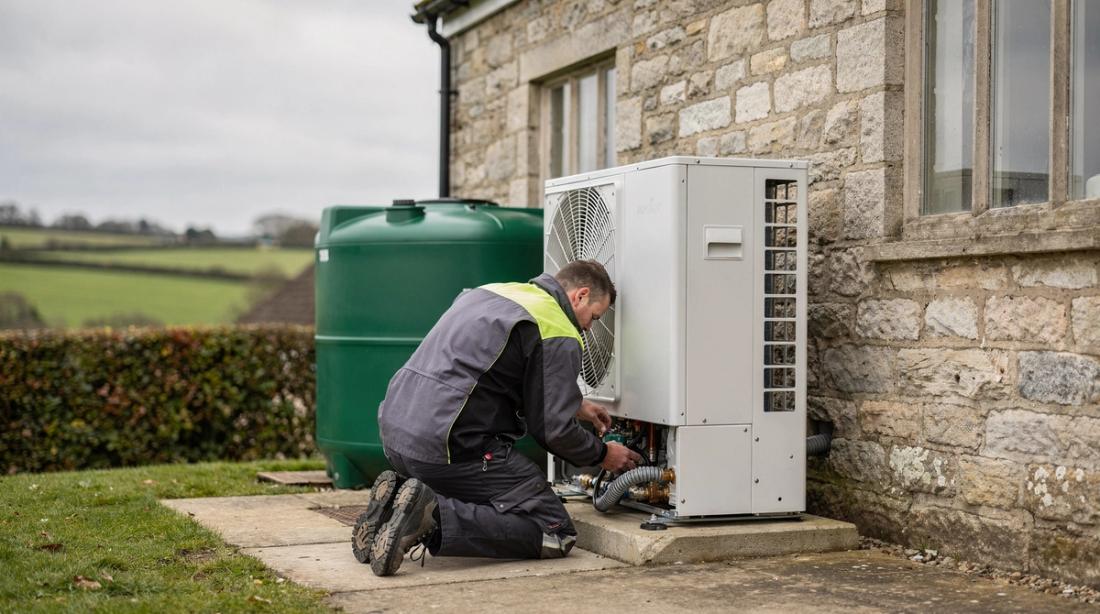
A heat pump installer designs and fits air source or ground source heat pump systems, then commissions them to standard and certifies the work. The role goes well beyond swapping a boiler: it covers heat loss surveys, emitter and pipework sizing for low flow temperatures, cylinder and controls selection, and the electrical and refrigerant sides of the job. Getting the design right is what determines whether the system runs efficiently.
Most installers come from a plumbing or heating background because the wet-system skills transfer directly. The extra layer is low temperature design, where heat pumps differ most from gas boilers. Sizing emitters correctly is central to performance, which is why radiator sizing for heat pumps is one of the first skills new installers build.
The day-to-day mix matters when you weigh up the switch. A heat pump installer spends more time on survey and design than a boiler fitter, and the efficiency of every job is measured, so poor sizing shows up in the running cost. That design discipline, including the seasonal performance factor covered in the SCOP heat pump guide, is what separates a profitable heat pump business from one that generates callbacks.
Why demand for heat pump installers is rising
Demand is climbing because policy and grants are pushing heat pump volumes up sharply. The government's Warm Homes Plan targets 450,000 heat pump installations a year by 2030, and 2025 already set a record with more than 60,000 certified heat pump installations completed (MCS, 2025). That trajectory needs far more trained installers than the trade currently has.
The workforce gap is the headline. Industry analysis puts the required workforce at around 41,000 full-time roles by 2028 and 122,000 by 2035, against roughly 4,500 in 2023, implying 4,000 to 6,000 new entrants a year (MCS Foundation, 2025). Yet only about 50% of UK heating installers were actively fitting heat pumps in early 2025, down from 60% a year earlier, so the field is less crowded than the demand suggests. Rising grant demand also links to schemes like the oil boiler heat pump grant and the wider Warm Homes Plan for installers.
What qualifications do you need to become a heat pump installer?
You need a recognised Level 3 heat pump qualification plus an eligible trade background. The core route is the BPEC Domestic Air Source Heat Pump or Domestic Ground Source Heat Pump qualification, which is recognised as a demonstration of competence for MCS (BPEC, 2025). Candidates usually hold a VQ Level 2 or 3 in plumbing or heating, or can evidence around three years installing wet central heating systems instead.
Alongside the heat pump unit, most providers expect a Level 3 in low temperature heating and hot water design, an unvented hot water qualification, and a domestic energy efficiency unit. If you handle refrigerant circuits you may also need F-Gas. The MCS competence that flows from these qualifications is valid for five years, after which you refresh it. Building these tickets is similar in spirit to other trade routes such as becoming an ECO4 installer.
Step by step: how to become a heat pump installer
The path is more predictable than it first looks. Working through it in order avoids paying for training you cannot yet use, and gets you to your first certified job faster.
- Confirm your baseline: a plumbing or heating VQ Level 2 or 3, or evidence of around three years of wet-heating installation work.
- Complete a Level 3 heat pump qualification (BPEC Domestic ASHP or GSHP), plus low temperature design and unvented hot water units if you do not already hold them.
- Add F-Gas if you will be working on the refrigerant circuit.
- Choose your MCS route: full standalone certification, or partnering with an MCS umbrella scheme.
- Register with a certification body, build your quality management system if going standalone, and pass the assessment or onboarding.
- Apply for grant funding toward training and certification to cut the upfront cost.
How much does heat pump installer training cost?
Training and certification are the main upfront costs, and grants cover much of them. The heat pump course itself typically runs £800 to £1,500, with F-Gas adding up to around £400 if you need it, and standalone MCS costs from roughly £1,090 in year one before per-installation certificates (HTAA, 2025). Umbrella schemes remove most of that setup cost in exchange for a per-job fee.
Grants soften the bill significantly. The MCS Certification Fund, run by Energy Saving Trust, covers 75% of certification costs up to £1,000, and a separate Heat Training Grant offers around £500 toward course fees (Energy Saving Trust, 2026). The table below sets out the typical costs before grants.
- Level 3 heat pump course: £800 to £1,500
- F-Gas (if required): Up to £400
- Standalone MCS, year one: From around £1,090
- Umbrella scheme: Pay per installation, no setup fee
- MCS Certification Fund: Covers 75% of certification, up to £1,000
Actual figures vary by training provider and region. The key point is that the grant support means the net cost of qualifying is far lower than the headline numbers suggest, especially on the umbrella route.
Do you need to be MCS certified to install heat pumps?
For grant-funded work, yes. You do not legally need MCS to physically install a heat pump, but without it you cannot sign off Boiler Upgrade Scheme claims and you will not appear on the MCS installer database that homeowners use to find certified engineers (Grant UK, 2025). Since most domestic heat pump jobs rely on the grant, MCS is effectively a commercial requirement.
MCS certification also underpins how manufacturer credits and policy incentives flow through the market, which is why it sits at the centre of most installer decisions. The scheme itself is worth understanding in full before you commit, and the MCS accreditation guide covers how it works and what it costs to maintain.
Direct MCS certification or umbrella scheme?
The two routes suit different starting points. Standalone MCS gives you full independence and your own certification, but it takes months to set up, needs a quality management system built from scratch, and carries certification body and audit fees. It makes sense for businesses that expect steady heat pump volume and want to own the whole process.
The umbrella scheme route trades some independence for speed. You can be carrying out MCS-certified installations within weeks rather than months, with no certification body fees, no audit setup, and a pay-as-you-go fee per installation (Electromatic, 2025). It suits new entrants testing demand or installers doing lower volumes. The trade-offs are covered in more depth in the MCS umbrella scheme guide.
How long does it take to start installing?
The timeline depends almost entirely on the MCS route you pick. On the umbrella scheme path, an installer who already holds the Level 3 qualification can be completing certified installations within a few weeks, because the scheme handles the certification framework. That speed is the main reason many new entrants start there before deciding whether to go standalone.
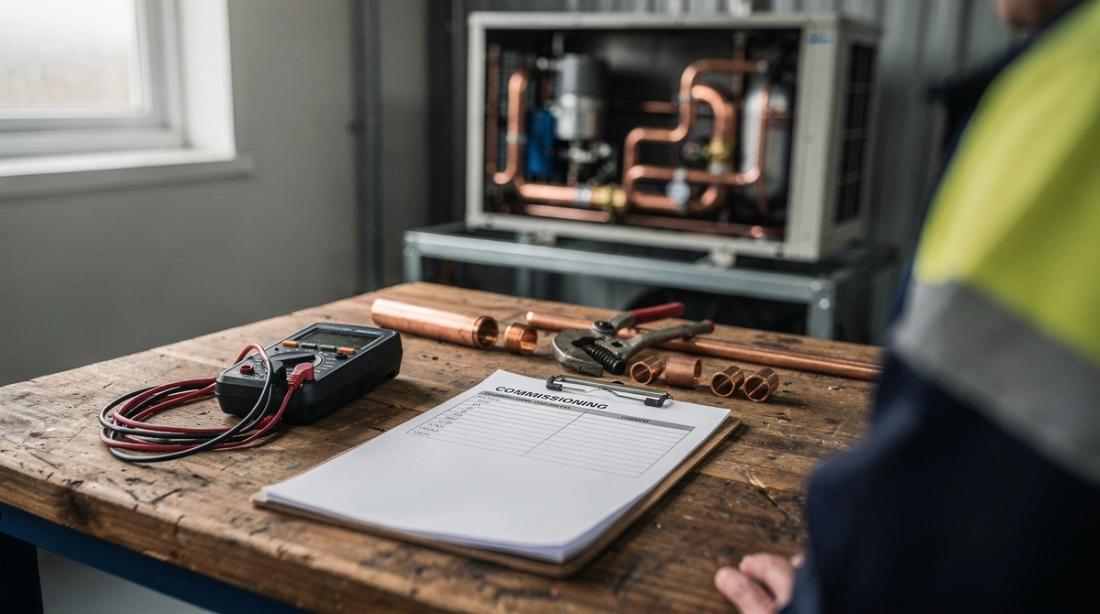
Standalone MCS is a longer road, usually a few months, because you build and document a quality management system and pass an initial assessment before certification. Neither route is only about paperwork: getting the design and commissioning right is what protects your reputation. Software that handles heat loss, system design and MCS documentation in one place, such as Reonic's platform, reduces the admin load so you can focus on the installs themselves.
Frequently asked questions
Do I need to be a qualified plumber to become a heat pump installer?
Not strictly, but you need the underlying wet-heating skills. Most installers hold a plumbing or heating VQ Level 2 or 3, or can evidence around three years installing wet central heating systems. That background lets you take the Level 3 heat pump qualification, which is the actual gateway to MCS competence.
What qualification do I need to install heat pumps?
The core qualification is a Level 3 in air source or ground source heat pumps, most commonly the BPEC route, which is recognised as a demonstration of competence for MCS. Most installers also add low temperature design, unvented hot water, and an energy efficiency unit, plus F-Gas if they work on refrigerant circuits.
How much does it cost to become a heat pump installer?
Expect roughly £800 to £1,500 for the heat pump course, up to £400 for F-Gas, and from around £1,090 for standalone MCS in year one. Grants cut this sharply: the MCS Certification Fund covers 75% of certification up to £1,000, and a Heat Training Grant offers around £500 toward course fees.
Can I install heat pumps without MCS certification?
You can physically install one, but you cannot sign off Boiler Upgrade Scheme grant claims or appear on the MCS installer database without certification. Because most domestic heat pump work depends on the grant, MCS is effectively required to run a viable heat pump installation business in the UK.
Is becoming a heat pump installer worth it in 2026?
The demand case is strong. The Warm Homes Plan targets 450,000 installations a year by 2030, 2025 set a record with over 60,000 certified installs, and the workforce needs thousands of new entrants annually. With only around half of heating installers currently fitting heat pumps, early movers face less competition than the demand implies.