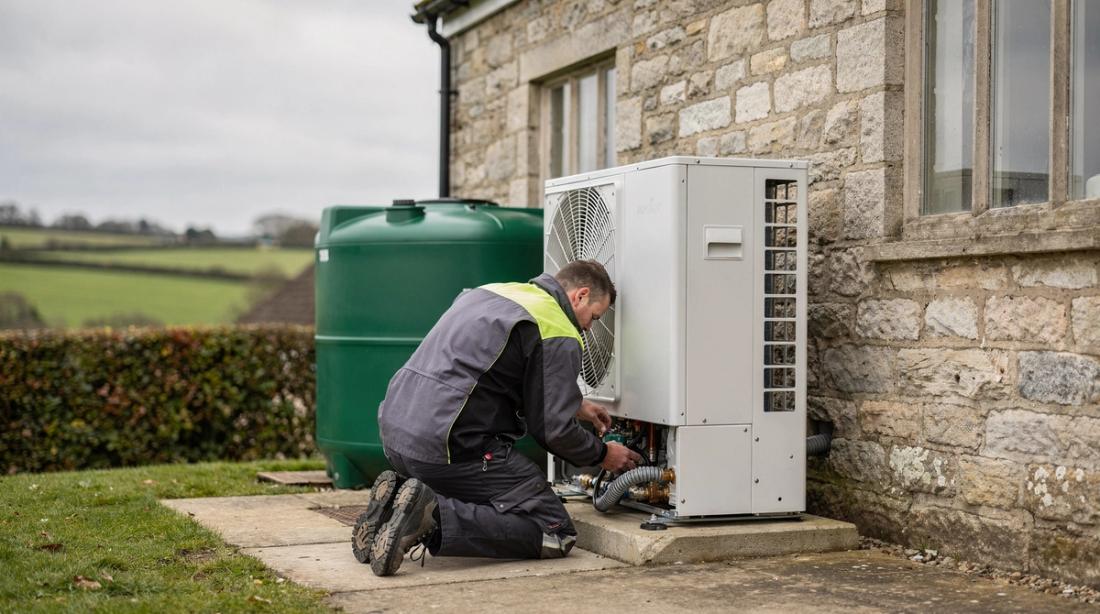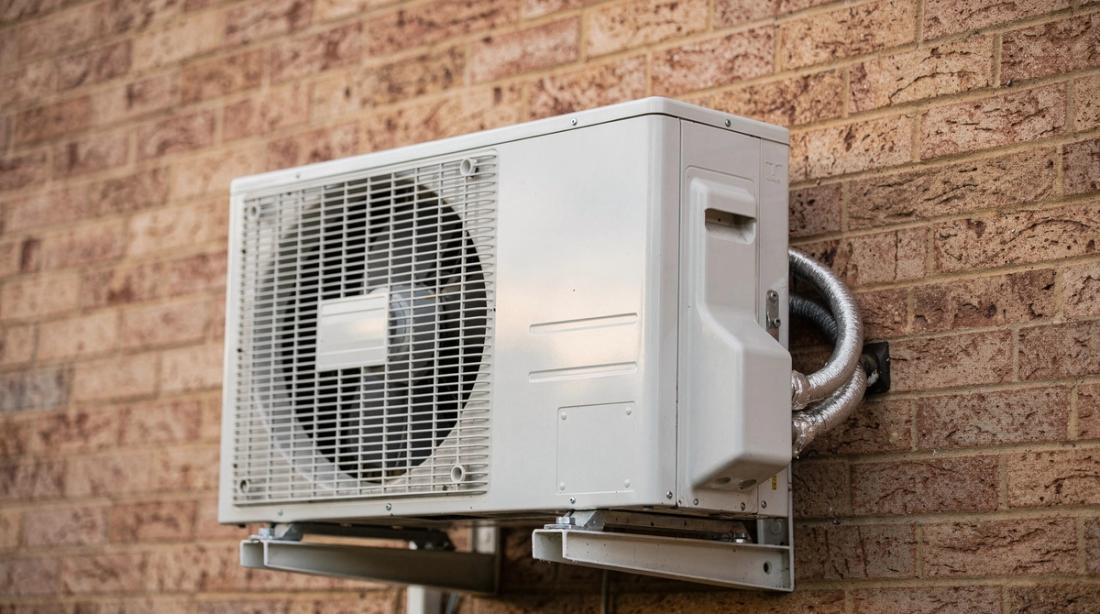

A high temperature heat pump is an air source unit that delivers water at 70 to 80C, the same flow temperature band a gas boiler runs at, which is why it has become the default retrofit answer for UK homes with existing radiators (Renewable Energy Hub, 2026). For installers, that higher ceiling removes the single biggest objection on older properties: the fear of ripping out every radiator.
This guide answers the questions installers and homeowners actually ask about high temperature heat pumps in the UK: how hot they run, whether you can keep the existing radiators, why R290 propane changed the picture, which models are on sale in 2026, the efficiency trade-off at high flow, and what the whole job costs after the Boiler Upgrade Scheme grant. The perspective is practical and installer-first.
Key Takeaways
- High temperature heat pumps deliver 70 to 80C flow, matching a gas boiler and letting many UK retrofits keep existing radiators (Renewable Energy Hub, 2026).
- R290 propane is the enabling refrigerant, with a global warming potential of around 3 against several hundred for older blends (Energy Guide, 2026).
- Ideal Heating's Ecomod 290HT reaches 70C flow at a rated COP of 4.6, showing high flow no longer means poor headline efficiency (pv magazine, 2026).
- Running at 70C is still less efficient than 45C: field data put R290 units near a seasonal factor of 2.9, so design for the lowest flow the emitters allow (Energy Systems Catapult, 2024).
- A typical install runs 9,000 to 13,000 pounds before the 7,500 pound Boiler Upgrade Scheme grant, which rose to 9,000 pounds for off-gas homes from 21 July 2026 (Cucumber Eco, 2026).
What is a high temperature heat pump?
A high temperature heat pump is an air source or ground source unit engineered to produce hotter water than a standard model, typically 65 to 80C rather than the 45 to 55C a conventional heat pump is designed around. It uses the same vapour-compression cycle, but a refrigerant and compressor combination that can lift water into gas-boiler territory without tripping out.
The distinction matters because emitter temperature drives everything downstream. A standard heat pump paired with old, undersized radiators cannot deliver comfort on a cold day, which historically forced expensive radiator and pipework upgrades. A high temperature unit sidesteps that by meeting the radiators where they are, which is the whole reason the category exists. For the UK's large stock of solid-wall Victorian and Edwardian homes, that difference decides whether a heat pump is a straightforward swap or a major building project, so it shapes the sale as much as the design.
How hot can a high temperature heat pump run?
The current generation delivers 70 to 80C flow, squarely in the band a gas boiler occupies (Renewable Energy Hub, 2026). The Clade Elm, for example, is specified to reach up to 80C flow with a 70C return, positioning it as a direct boiler replacement on legacy systems (Clade Engineering Systems, 2026).
That headroom does two things on a retrofit. It covers the coldest days when the heat demand peaks, and it supports domestic hot water at a stored temperature high enough for periodic thermal disinfection without a separate immersion cycle. Just because a unit can reach 80C does not mean it should run there constantly, a point the efficiency section returns to.
Do you need to change radiators with a high temperature heat pump?
Often not, and that is the point of the technology. Because these units meet the flow temperature the existing radiators were sized for, many UK retrofits keep their current emitters with little or no change, which removes weeks of disruptive work and cost (Cucumber Eco, 2026).
The caveat is that keeping radiators to run at 70C locks in a lower seasonal efficiency than a low temperature design would achieve. The professional approach is to run a proper heat loss calculation and check each room, then upgrade only the radiators that would otherwise force the highest flow temperature. A partial radiator upgrade lets you drop the design flow, lift efficiency, and still avoid a whole-house strip-out. Our radiator sizing for heat pumps and heat loss calculation guides set out the method.
Why R290 propane changed high temperature heat pumps
R290 propane is the refrigerant that made affordable high temperature heat pumps possible. It carries a global warming potential of around 3, against several hundred for the R32 and R410A blends it replaces, and it holds efficiency better at high lift (Energy Guide, 2026). That combination is why nearly every new high temperature model launched for the UK uses it.
The practical consequence for installers is a flammable refrigerant on the outdoor unit. R290 is classed A3, so siting must respect the manufacturer's exclusion zones around drains, openings and ignition sources, and commissioning follows the flammable-refrigerant procedure. None of this is onerous, but it changes where the outdoor unit can legally and safely go, so factor it into the survey rather than the install day.
High temperature heat pump models available in the UK in 2026
The 2026 market has widened from a niche to a proper choice of monobloc units, most on R290 and most targeting the boiler-replacement retrofit. The table below sets out representative models and their headline flow temperatures.
- Ideal Heating Ecomod 290HT: R290 monobloc reaching 70C flow at a rated COP of 4.6 (pv magazine, 2026).
- Clade Elm: R290 unit specified up to 80C flow with 70C return, pitched as a direct boiler replacement (Clade Engineering Systems, 2026).
- Ariston ELCO Aerotop Evo P: delivers 60 to 70C flow, aimed at retrofit systems needing higher water temperatures (Energy Guide, 2026).
- Mainstream ranges: Vaillant, Daikin, Mitsubishi and Octopus all list higher-temperature models suited to older UK housing stock (Cucumber Eco, 2026).
When you compare models, look past the peak flow temperature to the efficiency curve at the flow you will actually design for. A unit that hits 80C but collapses in efficiency at 65C is worse on a real system than one that tops out at 70C but holds a strong COP across the working range. The datasheet performance table matters more than the marketing headline.
What is the efficiency trade-off at high flow temperatures?
Higher flow always costs efficiency, and this is the honest limitation of the category. Field monitoring found R290 heat pumps ran near a seasonal factor of 2.9 and R32 units near 2.94 in real homes, well below lab COP figures, and pushing flow toward 70C pulls that number down further (Energy Systems Catapult, 2024).
The design rule follows directly: specify a high temperature unit for its headroom, then run it at the lowest flow the emitters allow through weather compensation, not at a fixed 70C. A unit that can reach 80C but spends most of the year modulating at 45 to 55C gets you both the cold-snap security and a respectable seasonal factor. Read our SCOP and MCS 031 guide for how that seasonal number is calculated and defended.
Specifying and siting a high temperature heat pump
Good specification starts at the survey, not the quote. Run a room-by-room heat loss calculation, record the existing radiator outputs, and work out the design flow temperature the current emitters actually need. That single number tells you whether a low temperature unit would do, whether a high temperature unit lets you keep the radiators, and where a targeted emitter upgrade would pay for itself in efficiency.
Siting deserves equal care because of the R290 charge. Keep the outdoor unit clear of drains, gullies, airbricks and windows by the manufacturer's stated distances, and avoid enclosed spaces where propane could collect. Plan the cylinder and pipework for the higher return temperatures too, since a hot return changes cylinder recovery and buffer choices. Our buffer tank guide covers when volume separation earns its place on these systems.
How much does a high temperature heat pump cost?
A typical high temperature heat pump install runs 9,000 to 13,000 pounds before grants, with the exact figure driven by the home, the cylinder and any partial emitter work (Cucumber Eco, 2026). The Boiler Upgrade Scheme takes 7,500 pounds off an air source install, and off-gas homes replacing oil or LPG can claim 9,000 pounds from 21 July 2026 (Energy Saving Trust, 2026).
Where radiators do need attention, budget roughly 1,500 to 3,000 pounds for a full set of larger convector or K2 radiators, though a targeted upgrade of the worst few rooms is usually enough (Proper Toasty, 2026). Set the customer's expectation that the grant makes the net cost competitive with a premium boiler swap, and that the running cost then depends on getting the flow temperature and emitters right, not on the pump alone. See our air source heat pump cost breakdown for the full picture. Reonic's design tools help installers model the flow-temperature and emitter trade-off before quoting.
Is a high temperature heat pump the same as a normal heat pump?
No. Both use the same vapour-compression cycle, but a high temperature heat pump is engineered to deliver 70 to 80C flow rather than the 45 to 55C a standard unit targets (Renewable Energy Hub, 2026). That higher ceiling lets it heat older, smaller radiators without an upgrade, at the cost of some seasonal efficiency.
Can a high temperature heat pump replace a gas boiler directly?
In many cases yes. Because units such as the Clade Elm reach up to 80C flow, they can meet the temperatures existing radiators were sized for and act as a direct boiler replacement (Clade Engineering Systems, 2026). A heat loss survey should still confirm each room, and running the lowest viable flow protects efficiency.
What is an R290 heat pump?
An R290 heat pump uses propane as its refrigerant. Propane has a global warming potential of around 3, far below older blends, and performs well at high lift, which is why it dominates the high temperature category (Energy Guide, 2026). Because R290 is flammable, the outdoor unit must respect manufacturer exclusion zones during siting.
Are high temperature heat pumps less efficient?
At high flow, yes. Field data put real-world R290 units near a seasonal factor of 2.9, and running at 70C rather than 45C reduces that further (Energy Systems Catapult, 2024). The fix is to specify the unit for headroom but design and run it at the lowest flow the emitters allow.
Do high temperature heat pumps qualify for the Boiler Upgrade Scheme?
Yes, provided the install meets the scheme's MCS and property conditions. An air source high temperature heat pump attracts the standard 7,500 pound grant, rising to 9,000 pounds for off-gas homes replacing oil or LPG from 21 July 2026 (Energy Saving Trust, 2026). The grant is deducted by the installer, not claimed by the homeowner.