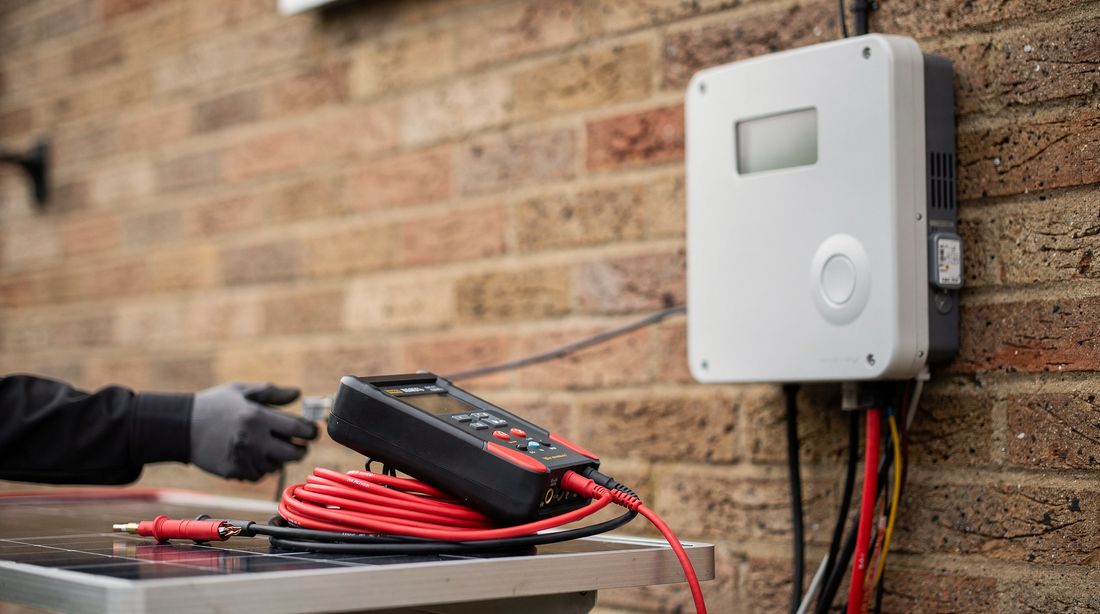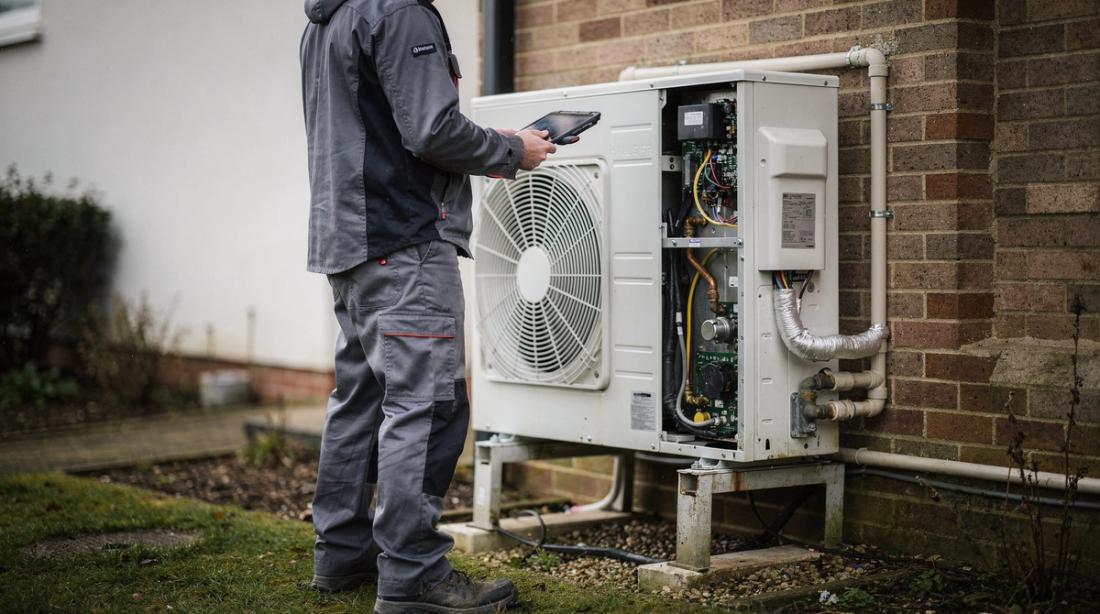

Heat pump servicing is the annual check that keeps an air source unit efficient and its warranty valid, and it costs roughly 120 to 180 pounds a year for a domestic air source system in 2026 (Checkatrade, 2026). For installers, that recurring visit is both a compliance obligation for your customers and a steady revenue line that most heating firms still leave on the table.
This guide sets out what an annual heat pump service actually involves, how often it is needed, what it costs across air and ground source systems, where F-gas rules bite, and how the visit protects the manufacturer warranty. The angle is practical and installer-first: the checklist, the numbers, and the paperwork you need to run maintenance as a service line rather than a favour.
Key Takeaways
- Annual air source heat pump servicing runs about 120 to 180 pounds in 2026; ground source sits higher at roughly 200 to 350 pounds (iHeat, 2026).
- MCS installation standard MIS 3005 and most manufacturers require an annual service to keep the product warranty valid (Renewable Energy Hub, 2026).
- Standard warranties run 5 to 7 years, extending to 10 years when the unit is registered and serviced annually (UK Heat Pump Guide, 2026).
- Most domestic heat pumps hold a small, sealed refrigerant charge below the 5-tonne CO2e threshold that triggers statutory F-gas leak checks, but any refrigerant work still needs an F-gas certified engineer (Controlled Climate, 2026).
- With over 77,500 Boiler Upgrade Scheme vouchers already redeemed, the installed base needing annual service is growing fast (GOV.UK, 2026).
What does a heat pump service actually involve?
A heat pump service is a structured inspection of the refrigerant circuit, water side, electrics and controls, carried out once a year to catch drift before it becomes a fault. A typical air source visit covers refrigerant and pressure checks, electrical inspection, coil cleaning and a performance test (Boiler Central, 2026).
The work splits into two halves. The outdoor unit needs its heat exchanger cleared of leaves, pollen and debris, fan blades checked, and condensate drainage confirmed clear. The indoor side covers the circulation pump, expansion vessel charge, system pressure, strainer and any magnetic filter, plus a check that the antifreeze or glycol concentration still protects the pipework.
On field visits the single most common issue after a first winter is a partially blocked condensate drain on the outdoor unit, which throws intermittent defrost faults that look far more serious than they are. Clearing it takes minutes but only happens if someone is actually booked to look.
The service is also the moment to check controls and settings, not just hardware. Weather compensation curves drift after occupants adjust the thermostat, schedules get overridden, and a unit left in a high fixed flow temperature will burn money all winter. Reviewing the controls at each visit often recovers more efficiency than any physical cleaning does, and it costs nothing but a few minutes of attention.
How often should a heat pump be serviced?
Once a year is the standard, and it is not optional if the customer wants to keep their warranty. Both MCS installation standards and manufacturer terms tie the warranty to an annual service by a competent person (Renewable Energy Hub, 2026). Skip a year and the manufacturer can decline a compressor claim later.
Some basic owner checks can happen more often, such as clearing snow or leaves off the outdoor unit and glancing at system pressure. Those do not replace the annual professional service; they reduce the chance of a nuisance callout between visits. Book the service in autumn so any fault is caught before the heating season loads the system.
Timing matters for the business too. A fleet of service jobs concentrated into September and October gives you a predictable pre-winter workload and keeps engineers busy in the shoulder season when new installs slow down. Booking each customer twelve months ahead at the previous visit is the simplest way to smooth that curve and avoid a scramble of emergency callouts once the cold arrives.
Heat pump service cost in 2026
Expect 120 to 180 pounds for a one-off air source service in 2026, rising for ground source because of the extra ground-loop and antifreeze checks. Monthly service plans spread the cost and lock in the customer relationship. The table below sets out the typical 2026 spread.
- Air source, one-off service: roughly 120 to 180 pounds per visit (Checkatrade, 2026).
- Ground source, one-off service: roughly 200 to 350 pounds, around 50 pounds more than air source (iHeat, 2026).
- Air source service plan: about 10 to 20 pounds a month, bundling the annual visit and priority callouts (Checkatrade, 2026).
- Ground source service plan: up to about 25 pounds a month for the larger systems.
- Relative to gas: a heat pump service costs roughly one third of a comparable annual gas boiler service.
Price the plan, not just the visit. A customer who pays monthly rarely churns, calls you first when something is wrong, and gives you a warm route back for a battery, solar or control upgrade later. The visit itself is barely profitable at 150 pounds; the retained relationship is where the margin sits.
Do F-gas rules apply to domestic heat pump servicing?
Mostly not for routine servicing, but they apply the moment you break into the refrigerant circuit. UK F-gas rules require periodic leak checks only on systems holding 5 tonnes of CO2e or more, and most domestic heat pumps sit below that with their small factory-sealed charge (Controlled Climate, 2026).
That threshold does not exempt you from competence. Anyone recovering refrigerant, brazing into the circuit or fault-finding a sealed system still needs the relevant F-gas certificate, and records of refrigerant handling must be kept for five years. R290 propane units add a flammable-refrigerant dimension, so servicing near the outdoor unit follows the manufacturer's exclusion-zone and ignition-source rules.
This is worth explaining plainly to customers who assume a heat pump service is the same regulated event as a gas safety check. It is not, but the competence bar for anyone touching the refrigerant side is real, and it is one reason to keep servicing with a qualified firm rather than a general handyperson. Make the distinction part of your sales conversation so the annual plan lands as protection rather than an upsell.
How servicing protects the manufacturer warranty
The warranty is the customer's real financial stake in servicing, and it is easy to void. Standard cover runs 5 to 7 years, but the headline 10-year figures depend on registering the unit inside the manufacturer's window and logging an annual service every year without a gap (UK Heat Pump Guide, 2026).
Separately from the product warranty, MCS certified installs carry a workmanship warranty and an insurance-backed guarantee covering labour defects after handover (Renewable Energy Hub, 2026). Keep a dated service record with photos and readings for every visit. When a compressor fails in year six, that log is the difference between a funded claim and an awkward conversation.
Why servicing protects efficiency, not just the warranty
A neglected heat pump quietly loses efficiency, and efficiency is the whole economic case for the technology. Field monitoring in the Electrification of Heat project put median real-world air source performance near a seasonal factor of 2.8, well below lab figures, with setup and maintenance among the swing factors (Energy Systems Catapult, 2024).
A fouled coil, low system pressure, a tired circulation pump or a weakened glycol charge all push flow temperatures up and the seasonal factor down. Servicing that restores clean heat transfer and correct flow protects the running cost the customer was sold on. If efficiency has drifted, check emitter sizing too, since undersized radiators force high flow temperatures that no service can fix. See our guide to radiator sizing for heat pumps and the detail on SCOP and MCS 031.
Building heat pump maintenance into recurring revenue
Maintenance is the most predictable revenue an installer can hold, and the installed base is expanding quickly. More than 77,500 Boiler Upgrade Scheme vouchers have been redeemed and 97 percent went to air source heat pumps, each one a unit that needs an annual service for years to come (GOV.UK, 2026).
Treat every install handover as the start of a service contract, not the end of the job. Offer a plan at commissioning, set a recall reminder, and standardise the visit so any engineer can complete it in a fixed slot. Firms that already run planned solar maintenance know the model; the same discipline applies here, as our solar panel maintenance guide sets out. Reonic's installer platform can hold the asset records and recall schedule so nothing slips between annual visits.
A practical annual service checklist
A repeatable checklist is what turns servicing from a variable favour into a fixed, profitable slot. The sequence below covers a standard air source visit and keeps the warranty evidence complete.
- Record inlet and outlet temperatures and system pressure before touching anything, so you can prove the starting state.
- Clear and inspect the outdoor coil, fan and casing; confirm the condensate drain runs free.
- Check the circulation pump, expansion vessel charge, strainer and magnetic filter on the water side.
- Test the glycol or antifreeze concentration and top up the system pressure to the design figure.
- Inspect electrical connections, run a performance test, and log dated readings and photos for the warranty record.
How much does a heat pump service cost in 2026?
A one-off air source heat pump service costs roughly 120 to 180 pounds in 2026, while ground source runs about 200 to 350 pounds because of the extra ground-loop checks (iHeat, 2026). Monthly service plans of 10 to 20 pounds spread the cost and usually include priority callouts.
Is annual heat pump servicing a legal requirement?
There is no single law forcing a homeowner to service a heat pump, but MCS installation standards and manufacturer warranty terms both require an annual service by a competent person (Renewable Energy Hub, 2026). Miss a year and the manufacturer can reject a later claim, so in practice the service is unavoidable.
Does a domestic heat pump need an F-gas leak check?
Usually not on a routine basis. Statutory periodic leak checks apply only to systems holding 5 tonnes of CO2e or more, and most domestic heat pumps sit below that threshold (Controlled Climate, 2026). Any work that opens the refrigerant circuit still requires an F-gas certified engineer and five-year records.
What happens if you skip a heat pump service?
The unit keeps running, but efficiency drifts down as coils foul and pressures fall, pushing running costs up. More importantly, a missed annual service can void the manufacturer warranty, leaving the owner exposed to a full compressor or refrigerant repair that a valid warranty would have covered.
Can homeowners do any heat pump maintenance themselves?
Owners can safely keep the outdoor unit clear of leaves and snow, glance at system pressure, and report unusual noises early. These checks reduce nuisance faults but do not replace the annual professional service, which covers the refrigerant circuit, electrics and performance testing that require a qualified engineer.