
A solar panel warranty is really three or four separate promises, and the panel itself is usually the most reliable of them. A modern panel carries a product warranty of 10 to 25 years and a performance warranty of around 25 years that guarantees 80 to 90% of its original output at the end of the term (Sunsave, 2026). Knowing which promise covers what is the difference between a smooth claim and an argument.
For UK homeowners, the weak links are rarely the panels. The inverter carries a shorter warranty, the installation is covered by a separate workmanship warranty, and the whole lot is only as safe as the company that stands behind it. That last point is why the trade bodies require an insurance-backed guarantee (HomePro, 2025). This guide walks through each layer and how to keep every one of them valid.
Key Takeaways
- A solar warranty has layers: product, performance, inverter, and workmanship. Each has a different length and a different party responsible (Sunsave, 2026).
- Panels rarely fail. The performance warranty guarantees 80 to 90% output at about 25 years, with degradation capped near 0.5% a year (Solar4Good, 2026).
- The inverter is the shortest warranty and the likeliest replacement, typically 5 to 12 years (Sunsave, 2026).
- Workmanship warranties run 2 to 10 years, and RECC or HIES membership requires an insurance-backed guarantee to sit behind them (RECC, 2026).
- Registration, your MCS certificate and maintenance records are what make a claim stick. Lose the paperwork and you weaken the cover.
What does a solar panel warranty actually cover?
A solar panel warranty covers several distinct things at once, and no single document covers them all. The panel has a product warranty and a performance warranty, the inverter has its own, and the installer provides a workmanship warranty for the fitting (Sunsave, 2026). Each is issued by a different party and lasts a different length of time.
Treating the system as one warranty is the mistake that catches people out. A cracked panel is a manufacturer matter. Water getting in around a roof penetration is an installer matter. An inverter that trips offline in year eight sits somewhere between the inverter maker and whoever fitted it. Sorting out who is responsible before a fault appears saves weeks of finger-pointing later.
The layers stack up like this. Product cover protects the hardware against defects. Performance cover protects the output against excessive fade. Inverter cover protects the one component most likely to break. Workmanship cover protects the installation itself, and a good maintenance routine keeps every one of them defensible.
Product warranty vs performance warranty: what is the difference?
A product warranty covers physical failure of the panel, such as delamination or a manufacturing defect, and runs 10 to 25 years. A performance warranty is separate: it guarantees the panel still produces a set share of its rated output, usually 80 to 90%, at around 25 years (Solar4Good, 2026). One protects the object, the other protects the electricity.
The table below sets out the layers of cover on a typical UK domestic system, with the usual durations and who is on the hook for each. Exact terms vary by brand and installer, so always read the specific certificates rather than assuming the headline numbers apply to your kit.
- Product warranty, panel: 10 to 25 years, covers manufacturing defects and physical failure, issued by the panel maker
- Performance warranty, panel: around 25 years, guarantees 80 to 90% of rated output, issued by the panel maker
- Inverter warranty: 5 to 12 years, often extendable to 15 to 20, issued by the inverter maker
- Workmanship warranty, installation: 2 to 10 years, covers the fitting and roof works, issued by the installer
- Insurance-backed guarantee: 2 to 10 years, honours the workmanship warranty if the installer stops trading, issued by an FCA-regulated insurer
What counts as a good degradation rate?
A good panel degrades at no more than about 0.5% a year, so it should still make roughly 87% of its original output after 30 years (Sunsave, 2026). Premium modules do better, promising a slower fade and a higher end-of-term floor. The performance warranty is the manufacturer putting that degradation curve in writing.
There is one wrinkle worth explaining to customers. A phenomenon called light-induced degradation causes a one-off drop of 1 to 3% in the first year, as the cells settle after exposure to sunlight (SolarTherm UK, 2026). This is normal and already priced into the warranty curve. It is not a fault, and it is not grounds for a claim.
So a well-made panel loses a few percent early, then declines slowly and predictably for decades. When a homeowner reports falling output, degradation is almost never the cause over a few years. Shading, soiling or an inverter issue is far more likely, which is why a proper diagnosis comes before any warranty claim on the panels themselves.
The performance warranty also comes in two shapes. A linear warranty guarantees a small, steady annual step down. A stepped warranty drops in bands, so output can sit flat for years then fall to the next level. Linear terms are usually the better deal for the owner. Ask which one a panel carries before comparing two headline figures that look alike.
How long does a solar inverter warranty last?
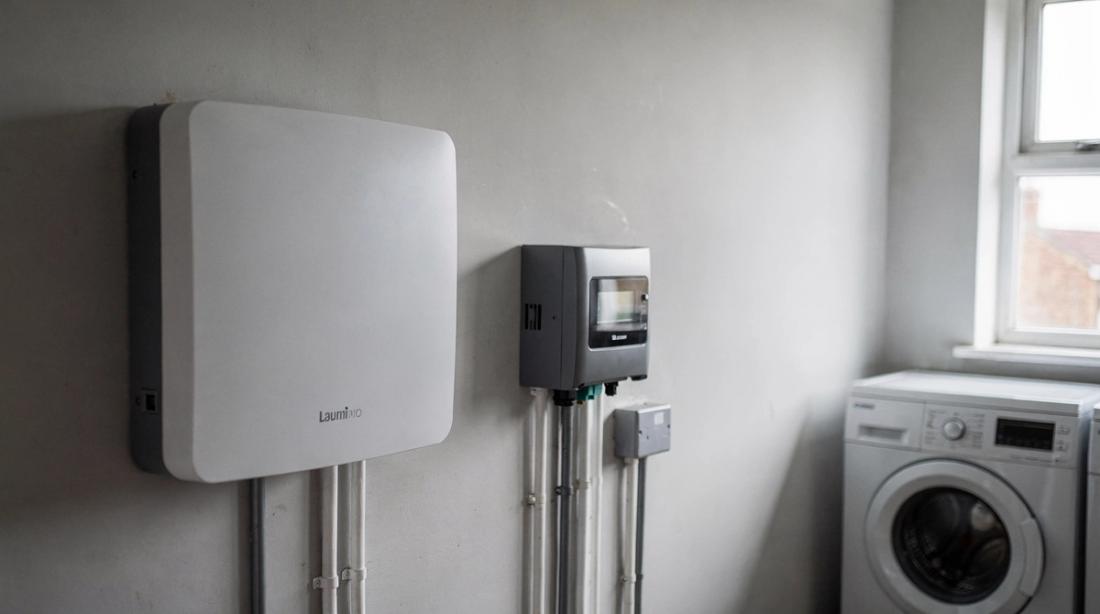
An inverter warranty typically lasts 5 to 12 years, with paid extensions often available up to 15 or 20 (Sunsave, 2026). That is far shorter than the panels, and it matters because the inverter is the hardest-working part of the system and the one most likely to need replacing within its life.
This mismatch shapes the whole ownership cost. Panels can outlast two inverters, so a sensible buyer weighs the inverter warranty as heavily as the panel figures. A longer inverter warranty, or a hybrid inverter with an extension, can be worth more over 25 years than a slightly better panel spec that was never going to fail anyway.
Check what the inverter warranty actually pays for as well. Some cover the replacement unit but not the labour to swap it, and almost none cover the lost generation while you wait for a part. Reading those terms at the quote stage, not at the point of failure, is the sign of a buyer who understands where the real risk sits.
Workmanship warranties and the insurance-backed guarantee
A workmanship warranty covers the installation itself, such as roof penetrations, cabling and mounting, and runs 2 to 10 years depending on the installer (Solar Installer List, 2026). Behind it sits an insurance-backed guarantee, which honours that promise if the installer ceases trading before the warranty ends.
For MCS-certified work this is not optional. MCS requires installers to belong to a consumer code, either RECC or HIES, and both codes require an insurance-backed guarantee on domestic installations (HomePro, 2025). The comparison between the two codes is covered in our guide to HIES vs RECC.
The point of the guarantee is simple protection against insolvency. While the installer trades, they honour their own workmanship warranty. If they fold, the insurance-backed guarantee means an FCA-regulated insurer steps in for a genuine claim (RECC, 2026). These policies usually need registering with the insurer to take effect, so confirm yours was actually activated.
How to keep your solar panel warranty valid
Warranties are lost on paperwork far more often than on faults. Keep the panel and inverter product registrations, your workmanship warranty, the insurance-backed guarantee certificate and your MCS documents together in one place. If a manufacturer or insurer asks for proof and you cannot produce it, a valid claim can still be refused.
One more habit helps at handover. Note the make, model and serial numbers of the panels and inverter, and photograph the finished install. When a fault appears years later, that record speeds up any claim. It also protects you if you sell the house, because warranties usually transfer to the new owner and the paperwork travels with the system.
- Register the products. Some panel and inverter warranties only reach their full term once registered with the maker.
- Keep your MCS certificate. The MCS installation certificate is proof the job was certified and is often requested during a claim.
- Activate the insurance-backed guarantee. It usually needs registering with the insurer, so check it was done, not just promised.
- Maintain the system. Records of routine maintenance show the fault was not caused by neglect, which some warranties exclude.
- Do not modify without checking. Adding kit or changing the inverter can affect cover, so confirm the impact before work starts.
Frequently asked questions
How long does a solar panel warranty last in the UK?
It depends on the layer. Panel product warranties run 10 to 25 years, performance warranties around 25 years, inverters 5 to 12 years, and workmanship 2 to 10 years (Sunsave, 2026). There is no single expiry date, so check each certificate. The panels almost always outlast the inverter and often the installer's workmanship term.
What is the difference between a product and a performance warranty?
A product warranty covers physical failure of the panel, such as a manufacturing defect. A performance warranty covers output, guaranteeing the panel still makes a set share of its rated power, usually 80 to 90%, at around 25 years. One protects the hardware; the other protects the electricity it produces over time.
Does a solar warranty cover the inverter?
Not under the panel warranty. The inverter has its own warranty from its manufacturer, typically 5 to 12 years, sometimes extendable. Because the inverter is the component most likely to fail, treat its warranty as a separate and important line item rather than assuming the panel cover extends to it.
Do I need an insurance-backed guarantee?
For MCS-certified domestic work, yes. RECC and HIES both require one, and MCS requires membership of one of those codes (HomePro, 2025). It protects you if the installer stops trading before the workmanship warranty ends. Confirm it was registered with the insurer, because an unactivated policy offers no cover.
What voids a solar panel warranty?
Common causes are missing product registration, poor or undocumented maintenance, unauthorised modifications, and damage from work by a non-certified party. Physical damage outside the terms, such as storm impact, may fall to your home insurance instead. Keeping records and using certified installers for any changes is the simplest way to keep cover intact.
For installers, warranties are also a sales asset when they are explained clearly. A homeowner who understands the layers asks better questions and complains less. Setting out the durations and responsibilities in a written proposal builds trust and cuts disputes later, which is the kind of detail Reonic's proposal tools are designed to standardise across every quote.