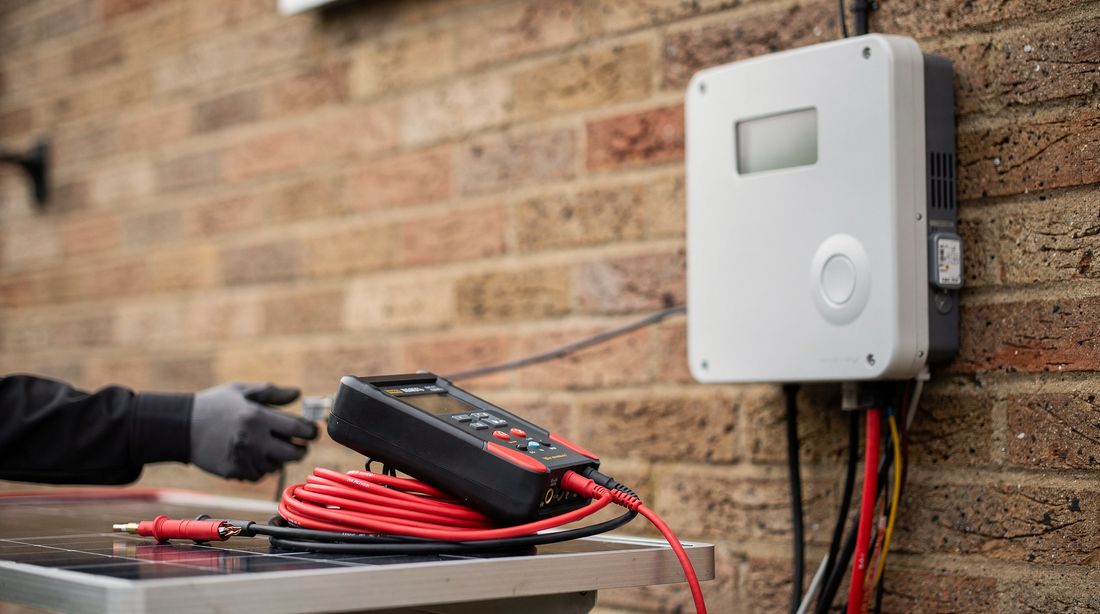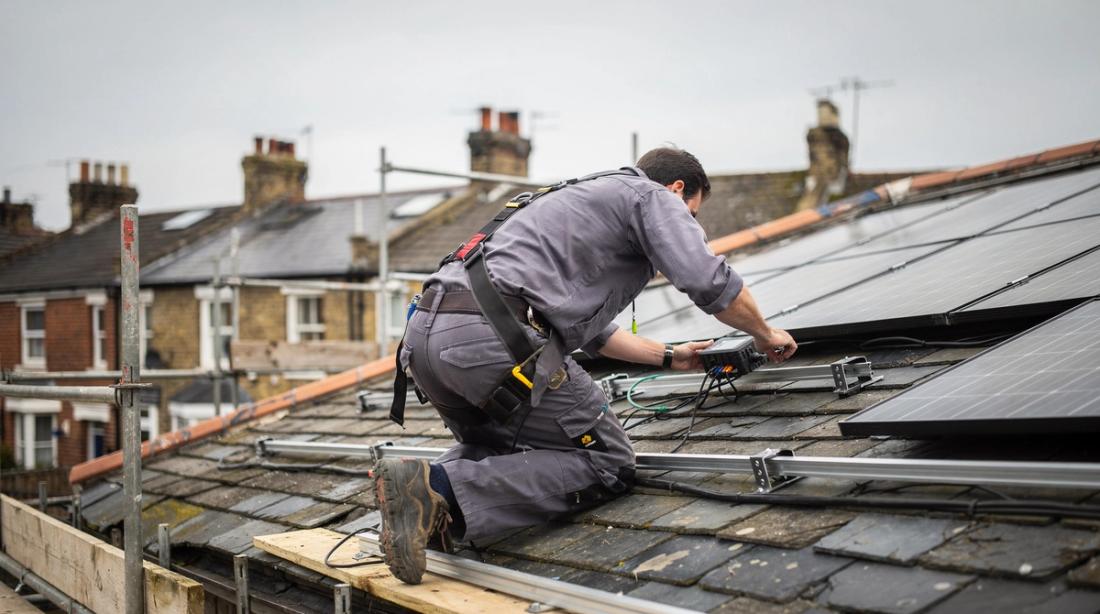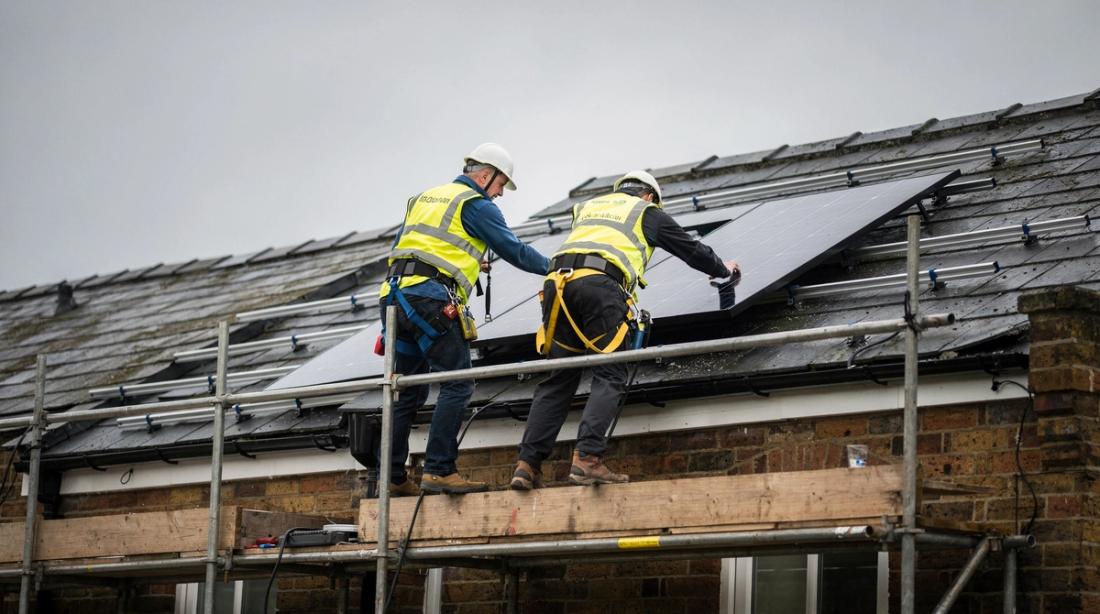

A solar installation contract template gives UK installers a repeatable written agreement that meets consumer law and the main renewable codes, and it matters more than ever now that MCS logged 203,125 certified rooftop solar installations by early November 2025, a new annual record (pv magazine, 2025). Every one of those jobs needs a compliant contract before work starts, not a quote stapled to a terms page.
A good template is not legal decoration. It sets the price and VAT treatment, the payment stages, the cancellation rights and the start date, so a dispute has a written answer instead of a phone argument. This guide covers what the Renewable Energy Consumer Code and UK consumer law expect your contract to say, and how to turn it into a document you reuse on every install.
Key Takeaways
- Your contract must state the price with the correct VAT rate, cancellation rights with a cancellation form, payment and deposit terms, guarantees and after-sales support (RECC, 2025).
- The deposit must not exceed 25% of the estimated total, and the deposit plus any advance payment together must not exceed 60%.
- Home, off-premises and distance sales carry a 14-day cancellation period, and you cannot start work during it without the customer's express written permission.
- Under the Consumer Rights Act 2015, your service must be carried out with reasonable care and skill, and the goods must be of satisfactory quality (nibusinessinfo, 2015).
- Deposits and advance payments must be insured and held separately from your own trading funds.
What must a solar installation contract include in the UK?
A compliant solar installation contract must set out the price and main features of the goods with the correct VAT rate, the customer's cancellation rights and a cancellation form, payment timing and deposits, guarantees, and after-sales support (RECC, 2025). Terms of business have to be in writing and form part of the quotation.
The code adds detail around who does the work and when. If anyone other than your business carries out part of the job, the contract must name them and describe their work. It must be signed by an MCS-certified business, and a final design has to be approved by the customer before installation starts. Handover documents cannot be withheld until full payment, and you must keep contract records for at least six years. Our guide to renewable installation paperwork sets out the wider document trail.
The VAT line deserves its own attention. Many domestic solar and battery jobs qualify for the 0% rate, but mixed scopes and commercial work can fall under the standard rate, and the contract must show the correct treatment for the actual job. State the rate against each item, not as a single figure at the bottom, so the customer can see what was zero-rated and what was not. A vague VAT line is one of the most common reasons a solar contract gets queried later.
The legal foundations your template has to respect
Two laws sit under every UK solar contract. The Consumer Rights Act 2015 says services must be provided with reasonable care and skill, at a reasonable price and within a reasonable time, and goods must be of satisfactory quality (nibusinessinfo, 2015). The Consumer Contracts Regulations 2013 govern the information and cancellation rules (legislation.gov.uk, 2013).
In practice that means a few things for your template. Buyers get a 30-day right to reject faulty goods, and if a service is below standard you may have to redo it at no cost or reduce the price. Where installation is part of the deal, it must be done correctly. The government guidance on the 2013 regulations spells out the cancellation information you must give before the customer commits (gov.uk, 2013).
For a solar job, satisfactory quality covers the panels, the inverter, the battery and the mounting system, all of which must match their description and last a reasonable time. Your contract should make clear that the manufacturer warranties pass to the customer and name the terms, because the Consumer Rights Act sits on top of those warranties rather than replacing them. Spelling this out early stops a panel fault from turning into an argument about who is responsible for the claim.
How much deposit can you take, and when?
RECC sets a hard ceiling. The deposit must be a reasonable percentage of the estimated total, with 15% given as a guide, and it must not exceed 25% (RECC, 2025). The deposit and any further advance payment together must not exceed 60% of the estimated total cost.
Timing matters too. An advance payment can be requested no more than three weeks before the agreed delivery date of all the goods. Deposits and advance payments must be insured, held separately from your own money and used only for that contract, and they must be repaid within 14 days if the customer cancels. Our guide to the insurance-backed guarantee explains the protection side in full.
A clean payment schedule in the contract avoids most cash-flow friction. A common structure on a domestic install is a deposit at signing, a stage payment when the equipment is delivered to site, and the balance on commissioning and handover. Write each trigger and amount into the contract rather than leaving the balance open, and make sure the stages stay inside the 25% and 60% ceilings. Customers rarely dispute a schedule they signed, and your installers know exactly what must be true before they ask for the next payment.
How does the 14-day cancellation period work?
For home, off-premises and distance sales, the customer can cancel without penalty within 14 days of delivery of the last item, with refunds due within 14 days (RECC, 2025). You must give written notice of this right in the form set by Schedule 3 of the Consumer Contracts Regulations 2013.
Miss that notice and the cancellation period can extend up to 12 months, so the form is not optional. You must not begin installation during the cancellation period without the customer's express written permission, recorded with the reason. A significant change to the agreed timetable also lets the customer cancel with a full refund, so keep the dates realistic.
Contract clauses checklist
Use this checklist as the backbone of your template. Each line is a clause the finished contract should contain, with the source that sets the rule.
- Price and VAT: the total price with the correct VAT rate stated, including the 0% rate where it applies (RECC, 2025).
- Deposit and payments: deposit capped at 25%, deposit plus advance capped at 60%, and the timing of every payment.
- Cancellation: the 14-day cancellation period, a prominent cancellation form, and clear instructions on how to cancel.
- Start date and timetable: the agreed work window, and the customer's right to cancel on a significant change.
- Guarantees and warranties: product and workmanship guarantees, plus deposit and workmanship insurance.
- Subcontractors: named in the contract, with the work they will carry out.
- Sign-off: signed by an MCS-certified business, with the final design approved by the customer first.
How is a contract different from a quote?
A quote is a priced offer with a scope. A contract is the binding agreement both sides sign, and it carries the cancellation rights, payment stages and legal terms a quote does not need to (RECC, 2025). Some installers call it a solar installation agreement or a solar works contract, but the name matters less than the clauses inside. Keep the quote and the contract as two documents that reference each other, not one blurred page.
The quote usually becomes part of the contract's terms of business, which is why the numbers have to match across both. Our solar quote template guide covers the pricing side, and the sales process for solar shows where the contract fits in the customer journey.
Treat the quote as the sales document and the contract as the legal one. The quote sells the system, the savings and the design. The contract turns that offer into obligations, with the cancellation form, the payment stages and the guarantees attached. When a customer signs the contract, the priced quote should be referenced by date and version so there is no doubt which offer became the agreement, which also protects you if prices move between the quote and the signature.
Deposit protection and workmanship warranties
RECC members must insure deposits, stage payments and workmanship warranties against the business ceasing to trade (RECC, 2026). Deposit protection typically runs from 35 to 120 days depending on the provider, and workmanship cover commonly spans 2, 5, 10 or even 12 years.
Name the insurer and the protection terms in the contract so the customer can see them. Some insurers can cover advance payments above the usual 25% of contract value, which helps on larger commercial jobs. For the wider cover you carry as a business, see our guide to solar installer insurance, and compare the consumer codes in our HIES vs RECC breakdown.
Turning your template into a repeatable process
On a busy install schedule, the contract is the step that slips. In the field, the jobs that go wrong are rarely the technical ones, they are the ones where the deposit, the start date or the VAT treatment was never written down. A fixed template, filled in the same way on every job, removes that risk.
Most installers keep one master solar contract template and change only the price, the scope and the dates per job. Build the mandatory clauses in once, lock them, and leave only the variable fields open for each customer. That way a new team member cannot accidentally drop the cancellation form or the deposit cap, because the compliant structure is already fixed in the document they start from.
Tools like Reonic can generate the quote and the contract from the same job data, so the figures match across both documents and nothing has to be retyped. The aim is simple: a contract that is correct by default, produced the same way every time, so compliance stops depending on whoever happened to prepare the paperwork that week.
Frequently asked questions
Do I legally need a written solar installation contract?
In practice, yes. RECC requires terms of business in writing as part of the quotation, and the Consumer Contracts Regulations 2013 require written cancellation information for off-premises and distance sales. Without that notice, the cancellation period can extend up to 12 months, so a written contract protects both sides (RECC, 2025).
How big a deposit can a solar installer ask for?
Under the RECC code the deposit must not exceed 25% of the estimated total cost, with 15% given as a guide. The deposit and any further advance payment together must not exceed 60%, and both must be insured and held separately from your trading account until the job is done (RECC, 2025).
Can I start the installation during the 14-day cancellation period?
Only with the customer's express written permission, recorded with the reason. Otherwise you must wait until the 14-day period ends. If you begin without that waiver and the customer then cancels, recovering your costs becomes difficult, so always get the permission in writing first (RECC, 2025).
What is the difference between a solar contract and a solar quote?
A quote is a priced offer. A contract is the signed agreement that makes the job binding and carries cancellation rights, payment stages, guarantees and legal terms. The quote usually becomes part of the contract's terms of business, but a quote on its own does not meet the code or consumer law.
Does the Consumer Rights Act 2015 apply to solar installations?
Yes. The service must be carried out with reasonable care and skill, at a reasonable price and time, and the equipment must be of satisfactory quality and fit for purpose. If the work is faulty, the customer can require repeat performance or a price reduction (nibusinessinfo, 2015).