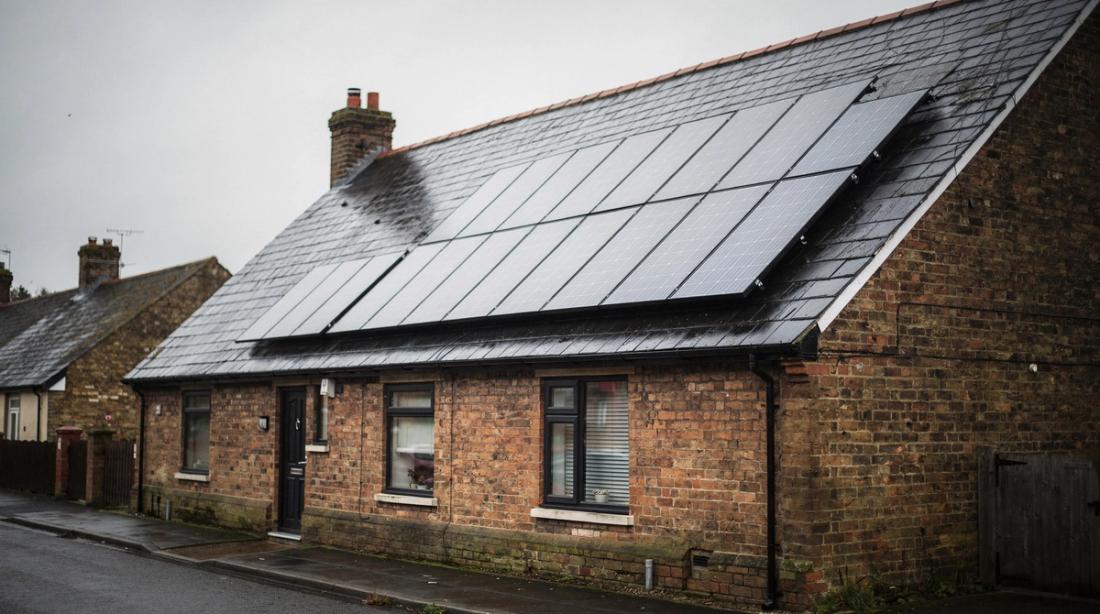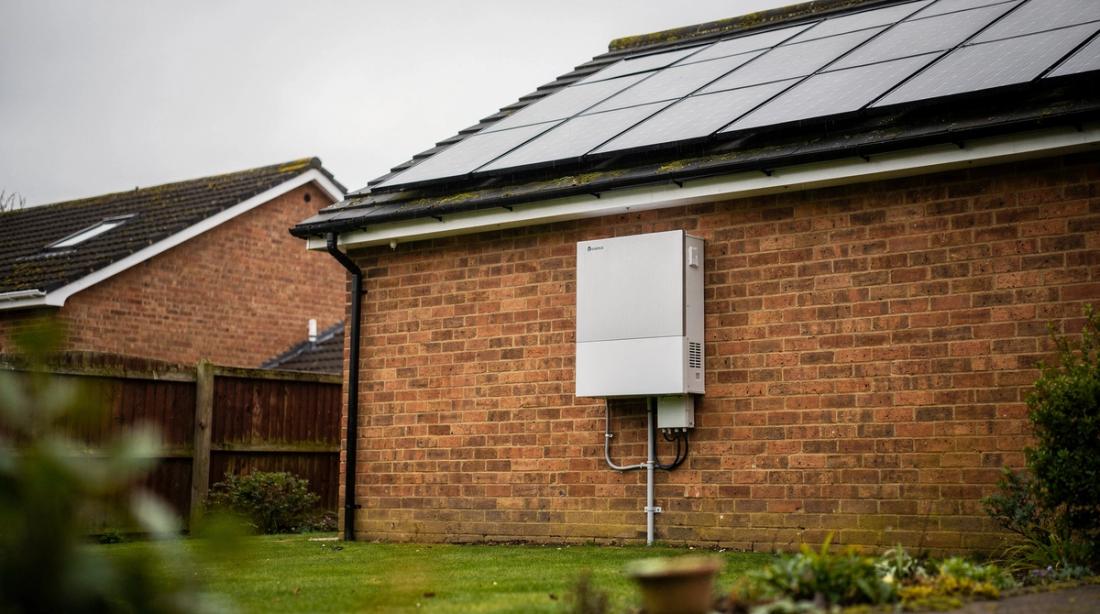

MCS 012 is the UK product standard that certifies solar PV mounting kits, and Issue 3.0 of the standard became mandatory on 10 May 2025, extending its scope to cover mechanically and non-mechanically attached mounting systems on flat roofs pitched at 10 degrees or less (Alternergy, 2025). The changeover withdrew certification from several well-known mounting ranges overnight, and the ripple effects on structural and wind-load paperwork are still shaping how installers document flat roof and non-standard jobs today.
This guide covers what MCS 012 actually certifies, why Issue 3.0 caused so much disruption in 2025, what happened during the grace period, and how the standard connects to the structural and wind-load evidence installers must now produce when a certified mounting product is not available.
Key Takeaways
- MCS 012 certifies solar mounting hardware for structural soundness, weather-tightness, and compatibility with roof fire and safety requirements, not the installation workmanship itself.
- Issue 3.0, mandatory from 10 May 2025, extended certification requirements to flat roof mounting systems pitched at 10 degrees or less, both mechanically and non-mechanically attached.
- A six-month grace period allowed installations using affected products with a certificate issued on or before 10 November 2025 to remain compliant (MCS, 2025).
- Products from at least seven manufacturers had certification withdrawn on 10 May 2025, forcing installers to source recertified alternatives mid-project.
- When no MCS 012-certified product fits a roof, installers must now provide structural, fire, weather-tightness, and compatibility evidence under MIS 3002 clause 5.5.5 instead.
What does MCS 012 actually certify?
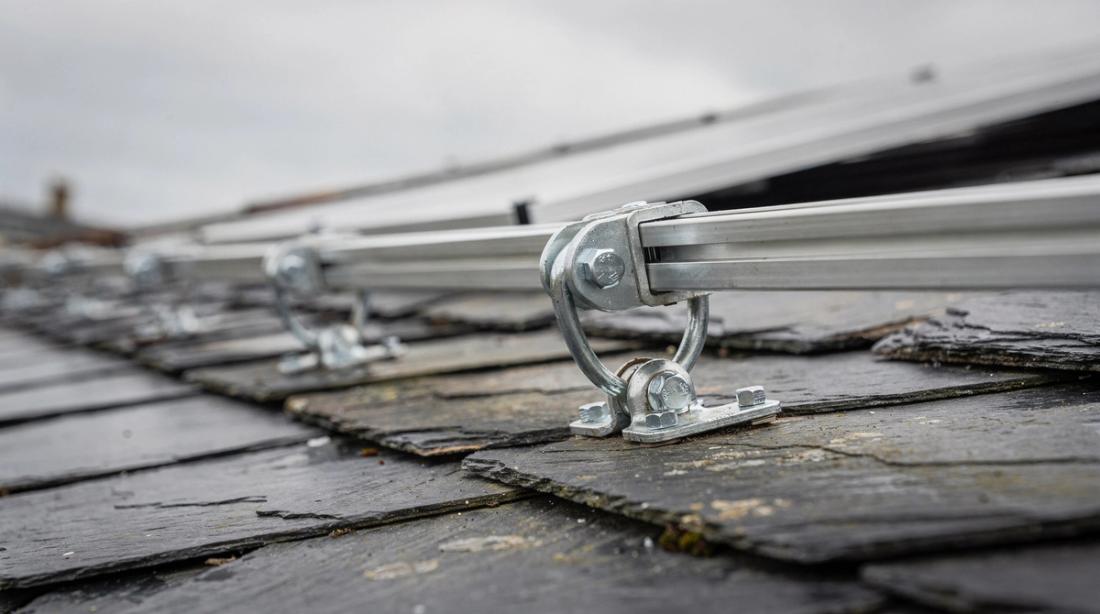
MCS 012 is a product standard, not an installation standard. It certifies solar mounting kits, roof hooks, rails, and flashing systems for their interface with the building structure, covering whether a product maintains weather-tightness, withstands wind and snow loading for its rated use, resists corrosion over its service life, and remains compatible with the roof's fire and safety requirements. Manufacturers submit products to certification bodies such as BRE for testing against these criteria before a product can appear on the MCS Product Directory.
This distinction matters because installers sometimes assume correct installation automatically satisfies MCS requirements. It does not. A mounting product without live MCS 012 certification creates a compliance gap regardless of how carefully it is fitted, because the standard is assessing the product's engineering, not the installer's workmanship on a given day.
Certification also carries an expiry logic that catches out installers used to thinking of product approval as permanent. A certificate can be withdrawn if a manufacturer fails to renew testing, changes a product's materials or geometry, or if the standard itself is updated in a way the existing product no longer satisfies, exactly what happened industry-wide in May 2025.
Why did Issue 3.0 cause disruption across the industry?
Issue 3.0 came into effect on 10 May 2025 after going through the usual MCS consultation process with certification bodies, manufacturers, and the wider industry (Renusol, 2025). When the changes took effect, certification bodies withdrew MCS 012 certification for several products that had previously been listed on the Product Directory, since those products did not yet meet the expanded flat roof requirements introduced by the new issue.
Affected manufacturers included Alumero Systematic Solutions, Clenergy Europe's PV-ezRack range, K2 Solar Mounting Solutions, Mounting Systems GmbH, Solar Slate Plate, Wagner Renewables, and Xiamen Fasten Solar Technology, covering products from roof hooks to standing seam clamps and trapezoidal fixings across a wide range of roof types (MCS, 2025). Installers who had already purchased stock of these products, or completed installations using them since 10 May, were left needing clarity fast, which is what prompted the grace period announcement five days later.
What the grace period actually allowed
MCS and the affected product certification bodies agreed a six-month grace period rather than an immediate hard cutoff. Installations using the affected products with a commissioning certificate raised in the MID on or before 10 November 2025 were deemed compliant, provided every other scheme requirement had been met on that job (MCS, 2025). Products in this window were re-listed on the Product Directory clearly marked "GRACE PERIOD" alongside their certification number.
From 10 November 2025 onward, grace period products stopped appearing in the MID entirely, meaning installers could no longer select them when raising new certificates, even if physical stock remained in a van or warehouse (Segen, 2025). Any installer who had completed a job using one of these products before 10 May but had not yet raised the certificate within the standard 14-day commissioning window needed to contact the MCS Helpdesk directly rather than attempt to certify against the newly listed grace period version.
- Issue 3.0 published: February 2025: Extended scope announced for flat roof mounting
- Issue 3.0 effective: 10 May 2025: Certification withdrawn for non-compliant products
- Grace period announced: 15 May 2025: Six-month window confirmed for affected products
- Grace period ends: 10 November 2025: Affected products removed from MID and Product Directory
- MIS 3002 clause 5.5.5 update mandatory: 18 June 2026: New evidence rules for uncertified mounting systems
Why flat roofs specifically drove this update
Flat roof mounting had previously relied heavily on clause 5.5.5 of MIS 3002, which permitted uncertified custom mounting systems on flat roofs provided general Building Regulations requirements around weather-tightness and wind resistance were met independently. Issue 3.0 of MCS 012 closed that gap by bringing both mechanically attached and non-mechanically attached flat roof systems formally under product certification, ending the previous reliance on case-by-case Building Regulations compliance for every job.
The practical effect is that flat roof and commercial rooftop installers, who disproportionately worked with ballasted or non-penetrative mounting systems, absorbed most of the disruption from the 2025 changeover. Domestic pitched roof installers using long-established certified rail systems largely continued unaffected, since the products they typically specify already met the extended requirements.
Commercial installers working across warehouse and industrial flat roofs felt this most acutely, since ballasted systems on large low-pitch roofs were exactly the category the standard set out to bring under formal product certification. Several of these installers had multi-site framework agreements built around specific mounting ranges, so a single certification withdrawal could touch a dozen live projects simultaneously rather than one isolated job.
How does MCS 012 connect to structural and wind-load evidence?
MCS 012 certification generally covers the wind and snow loading assessment for a product's certified use range, which is why installers using a certified system rarely need to produce their own structural calculations from scratch. The anxiety around structural and wind-load evidence has grown specifically around cases where no certified product fits the roof in question, since MIS 3002 clause 5.5.5 now requires the installer to generate that evidence independently.
Under the clause 5.5.5 update, which became mandatory for MIS 3002-certified installers from 18 June 2026, an installer using an uncertified mounting system must produce completed structural and wind loading calculations specific to that installation, alongside confirmation of maintained fire performance, weather-tightness, and component compatibility. This shifts real engineering and liability exposure onto the installer for exactly the jobs where a standard, pre-certified answer does not exist, which is why non-standard roofs and unusual mounting requirements now warrant earlier client conversations about added design cost and lead time.
How do you check whether a mounting product is currently certified?
The MCS Product Directory is the definitive source for checking whether a specific mounting product currently holds live MCS 012 certification, and it flags grace period products, withdrawn products, and newly recertified ranges clearly. Manufacturers whose products lost certification in 2025 have been working through recertification, and products such as Clenergy's PV-ezRack SolarRoof Pro range have already achieved renewed MCS 012 status under the updated standard (Solar Power Portal, 2025).
Installers should treat this check as a routine step before quoting a job, not just before ordering materials, since a product's certification status can change between the design stage and the installation date on longer commercial projects. Reviewing our broader guide to MCS standards helps place MCS 012 within the wider framework of product, installer, and installation-level certification that a compliant job depends on.
Where MCS 012 fits alongside other roof and structural rules
MCS 012 certification does not replace separate structural obligations that can apply to pitched roof coverings, and installers working on slate or tile roofs still need to account for guidance such as BS 5534 requirements for solar installers alongside the mounting product's own MCS 012 certification. The two sets of rules address different failure modes: MCS 012 covers the mounting product itself, while BS 5534 addresses the roof covering's own wind uplift resistance once panels and fixings are added to it.
For flat roof and commercial jobs specifically, our comparison of flat roof solar mounting approaches walks through ballasted versus mechanically fixed systems in more detail, including how the post-2025 certification landscape changed which products are realistically available to specify. Installers weighing up roof-integrated systems against traditional on-roof rail mounting may also find our in-roof versus on-roof comparison useful, since MCS 012 certification requirements differ between the two mounting categories in ways that affect product choice as much as aesthetics.
Warranty terms add one more layer worth checking alongside certification status. A manufacturer's product warranty typically references the certified specification the product was tested against, so a recertified version of a range may carry different warranty terms than the original, even where the product name on the box looks unchanged.
Frequently asked questions
Does MCS 012 apply to pitched roof mounting systems as well as flat roofs?
Yes, MCS 012 certifies mounting products across roof types, but Issue 3.0 specifically expanded the standard's scope for flat roofs pitched at 10 degrees or less. Pitched roof rail and hook systems were already covered under earlier issues of the standard before the 2025 update.
What should an installer do if a previously specified product loses MCS 012 certification mid-project?
Check the MCS Product Directory for a recertified version or a grace period listing before substituting a different product, since manufacturers often work through recertification within months. If neither applies, the installer needs an alternative certified product or a clause 5.5.5 evidence-based approach for that specific job.
Is MCS 012 certification the same as an installer's own MCS certification?
No, MCS 012 certifies the mounting product manufactured by a supplier, while installer certification is a separate company-level accreditation covering workmanship, competence, and quality management. An installer can be fully certified while still fitting a mounting product whose own certification has lapsed.
Who certifies products against MCS 012?
Manufacturers submit products for testing and certification through MCS-approved product certification bodies such as BRE, who assess wind and snow loading, weather-tightness, and durability before listing the product on the MCS Product Directory under a certification number tied to that specific range.
Does using an uncertified mounting system automatically fail an MCS audit?
Not automatically, provided the installer follows the MIS 3002 clause 5.5.5 route and documents structural, fire, weather-tightness, and compatibility evidence for that specific installation. Skipping this documentation, rather than the uncertified product itself, is what typically triggers an audit failure.
Reonic's design tools flag when a specified mounting product's MCS 012 status needs rechecking before a quote goes out, reducing the chance of a certified product disappearing mid-project without notice.