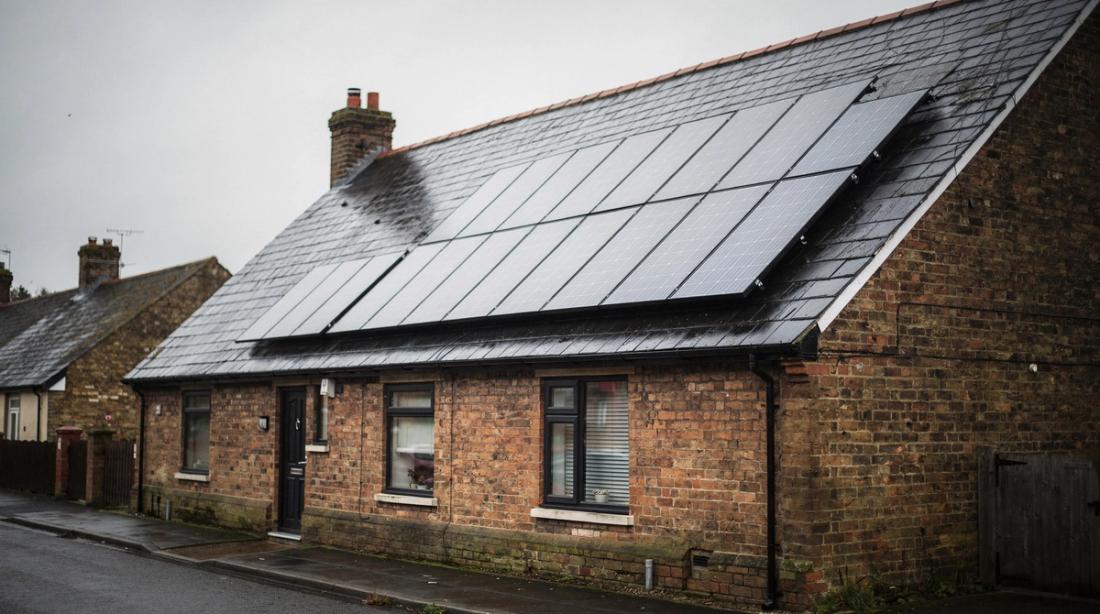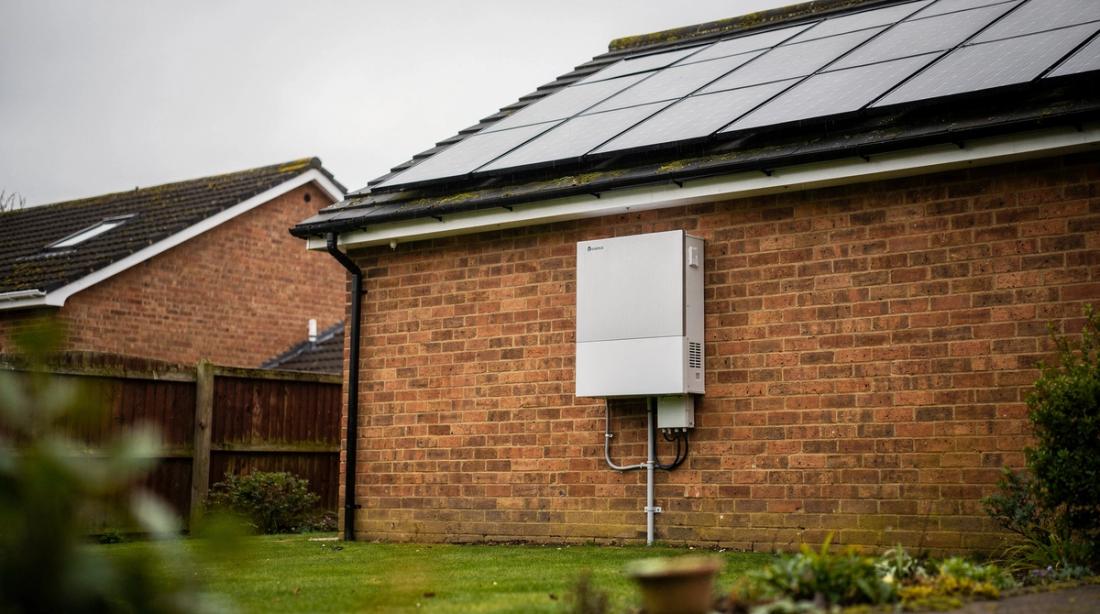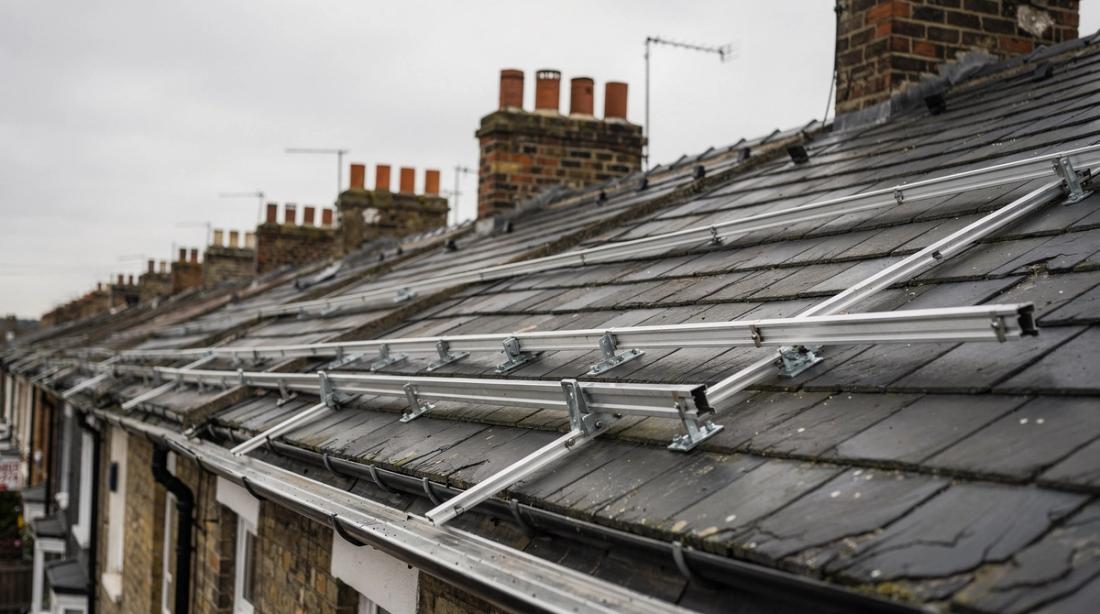

MCS standards define what a compliant renewable installation looks like, and the current solar PV standard, MIS 3002, becomes mandatory in its latest form from 18 June 2026 (MCS, 2026). For installers, the standards are not background reading. They are the exact criteria an assessor checks on site, and they have changed more in the past year than in the previous five.
This guide is a hub for the MCS installer standards. It sets out how the MIS and MCS documents are organised, what the main ones cover, and the specific 2025 and 2026 revisions that now apply to solar PV, heat pumps and mounting. Each standard links to a deeper guide where one exists, so you can move from the map to the detail quickly.
Key Takeaways
- MCS standards split into MIS installation standards and MCS product and scheme documents, all held in the MCS Standards and Tools Library (MCS, 2025).
- Solar PV runs on MIS 3002. The updated version, addressing mounting under MCS 012, becomes mandatory from 18 June 2026 (MCS, 2026).
- The heat pump standard was split in 2025 into MIS 3005-D for design and MIS 3005-I for installation, separating two distinct skill sets (MCS, 2025).
- A key design change: a hybrid heat pump must now meet at least 55% of the calculated heat load at a 55°C flow temperature, replacing the old 100% rule (MCS, 2025).
- Under the redeveloped scheme the technical requirements are unchanged, but the documents are restructured for easier reference (APHC, 2025).
What are MCS standards?
MCS standards are the technical documents that define how small-scale renewable systems must be designed, installed and manufactured to earn certification. They cover solar PV, heat pumps, solar thermal, biomass and battery storage, and they are the benchmark an MCS assessor measures a real installation against (MCS, 2025).
They sit at the heart of accreditation. Certification confirms that a business works to these standards, so the standards themselves are where the real requirements live. An installer who understands them well is reading the same rulebook the assessor uses, which removes most of the surprise from an assessment.
This guide focuses on the standards as documents. For how certification and the wider scheme work around them, our guide to MCS accreditation sets out the bigger picture, from certification bodies to the grants the standards ultimately unlock.
How are the MCS standards organised?
The standards divide into two families. MIS documents are Microgeneration Installation Standards that installers work to, while MCS-numbered documents cover products and scheme rules. All current versions live in the MCS Standards and Tools Library, which is the single source of truth for what applies today (MCS, 2025).
The installation standards are the ones that shape daily work. MIS 3002 governs solar PV, and the MIS 3005 pair now governs heat pump design and installation separately. Product standards such as MCS 012 for mounting and MCS 020 for heat pump noise sit alongside them, setting the requirements the fitted components must meet.
The practical habit worth keeping is to check the library version rather than a saved PDF. Standards are revised on a rolling basis with dated compliance points, and an old copy on a laptop is the most common reason an installer applies a superseded clause on site.
MIS 3002: the solar PV installation standard
MIS 3002 is the installation standard for solar PV, covering design and installation requirements from array layout to electrical safety. Following a consultation published in November 2025, MCS updated the standard, and the revised version becomes mandatory for certified installers from 18 June 2026 (MCS, 2026).
The headline change sits in clause 5.5.5, which addresses installations where no certified mounting system is available under MCS 012. The new requirements make sure those installations still meet current Building Regulations for weather-tightness, fire and wind resistance (MCS, 2026). In effect it closes a gap where a non-certified mounting kit could once be justified loosely.
For most installers the practical answer is to specify a certified mounting system wherever possible, and to hold the structural and wind-load evidence where one is not. The wider fixing rules in BS 5534 sit behind this, and getting the evidence trail right before June 2026 avoids a scramble later.
MIS 3005: the heat pump standard split
The biggest structural change of 2025 was splitting MIS 3005. The old combined standard became two: MIS 3005-D for heat pump design and MIS 3005-I for installation. The split reflects two distinct skill sets and lets an installation-only firm work with an independent designer (MCS, 2025).
The design standard also changed on hybrids. MCS removed the rule that a heat pump must cover 100% of the calculated heat load and introduced a procedure requiring it to meet at least 55% of the load at a 55°C flow temperature at design conditions (MCS, 2025). New definitions of a hybrid system and a supplementary heat source were added alongside it.
The current design standard, MIS 3005-D:2025 Version 2.0, was issued on 5 December 2025 and is mandatory for contractors certified to MCS:2025 (MCS, 2025). Design outputs such as SCOP and flow temperature run directly off this document, so designers need the current version to hand.
Why does the June 2026 MCS 012 deadline matter?
MCS 012 is the solar mounting product standard, and the 18 June 2026 date matters because from then the updated MIS 3002 clause on mounting is mandatory. After that point an installer cannot rely on an uncertified mounting kit without the structural evidence the new clause requires (MCS, 2026).
The consequence is a documentation habit, not a huge cost. Where a certified mounting system exists for the roof type, specifying it is the clean route. Where one does not, the job now needs evidence that the mounting meets Building Regulations for wind, fire and weather-tightness, filed with the rest of the installation record.
In practice the installers who feel this least are the ones who already default to certified components. On the jobs we see go wrong at assessment, the mounting evidence is missing more often than the workmanship is poor, so building the evidence step into the survey pays off directly.
What changed in the MCS standards for 2025 and 2026?
The past year brought the densest run of standards changes in a while. The MIS 3005 split, the MIS 3002 mounting update and a revised MCS 020 heat pump noise standard all landed, and a consultation on MCS 007, the heat pump product standard, ran alongside them (MCS, 2025). The table below summarises where each stands.
- MIS 3002: solar PV installation standard; updated version mandatory from 18 June 2026.
- MIS 3005-D: heat pump design standard; Version 2.0 issued 5 December 2025.
- MIS 3005-I: heat pump installation standard; separated from design in 2025.
- MCS 012: solar mounting product standard; referenced directly by MIS 3002 clause 5.5.5.
- MCS 020: heat pump noise assessment standard; updated version published.
- MCS 007: heat pump product standard; updates went through consultation alongside MIS 3005-D.
The noise standard is worth a closer look on its own, since it drives siting decisions on many heat pump jobs. Our guide to MCS 020 noise assessment covers how the calculation works and where installations most often fall foul of it.
How the redeveloped scheme restructures the standards
The 2026 redeveloped scheme changes how the standards are packaged more than what they demand. The technical requirements for how systems are designed and installed remain in place, but the documents have been restructured so installers can find the relevant clause faster (APHC, 2025).
The wider redevelopment moves the emphasis from quality-management paperwork toward the delivered quality of the finished system, which is why the installation standards matter more than ever (HTAA), and MCS has invested in new roles to drive quality outcomes across the sector (Renewable Energy Magazine, 2026). New build adds another layer, with the Future Homes Standard raising expectations on low-carbon heat and generation.
Our guide to the redeveloped installer scheme covers the assessment side, and the sector press has begun mapping how the standards meet new-build policy (Renewable Energy Installer, 2026). Keeping standards documentation current across a growing job list is where software such as Reonic's helps installers stay consistent.
Frequently asked questions
What is the difference between an MIS and an MCS standard?
MIS documents are Microgeneration Installation Standards that set out how installers design and fit a technology, such as MIS 3002 for solar PV. MCS-numbered documents cover products and scheme rules, such as MCS 012 for mounting. Both live in the same Standards and Tools Library and work together on a job (MCS, 2025).
Which MCS standard covers solar PV installation?
MIS 3002 is the solar PV installation standard. It sets the design and installation requirements for domestic and small commercial solar, from array configuration to electrical safety and mounting. The mounting product standard MCS 012 works alongside it, and the two are linked directly through the updated clause on certified mounting systems.
When does the updated MIS 3002 become mandatory?
Compliance with the updated MIS 3002 becomes mandatory for MCS installers certified under it from 18 June 2026 (MCS, 2026). The change centres on clause 5.5.5, covering installations without a certified mounting system, so the practical preparation is sorting your mounting specification and evidence before that date.
What is the MIS 3005 split?
In 2025 the combined MIS 3005 heat pump standard was separated into MIS 3005-D for design and MIS 3005-I for installation (MCS, 2025). The aim is to reflect two different skill sets and let installation-only firms work with an independent designer, widening access to the scheme without lowering the design bar.
Are MCS standards changing under the redeveloped scheme?
The technical requirements stay the same, but the documents are being restructured for easier reference as part of the redeveloped scheme (APHC, 2025). The bigger shift is one of emphasis, toward the delivered quality of the finished installation rather than the volume of quality-management paperwork behind it.