
Retrofitting a solar battery means adding storage to a PV system that is already generating, and because the extra inverter counts as generation, the job needs DNO sign-off under G98 or G99 before or shortly after it goes live (National Grid, 2026). Done well, it lifts a customer's self-consumption without redesigning the array.
This guide walks through the retrofit decision an installer actually makes: AC-coupled or DC-coupled, which DNO route applies once you add storage to existing generation, the standards the install has to meet, and the VAT and documents that close the job out. The angle is practical, aimed at the survey-to-commissioning workflow.
Key Takeaways
- Adding a battery to an existing solar system is usually AC-coupled, because it leaves the working PV inverter in place and adds a separate battery inverter.
- The new inverter is generation, so the job needs G98 notification at or below 3.68 kW per phase, or G99 approval above it (National Grid, 2026).
- Aggregation catches many retrofits: existing PV plus the new battery inverter can cross the G99 threshold even when neither unit does alone.
- A retrofit battery must meet BS 7671, including the Amendment 4 battery chapter from 15 April 2026, and the PAS 63100:2024 fire-siting rules (IET, 2026).
- Retrofit batteries keep 0% VAT until 31 March 2027 when installed with or after solar in a home (gov.uk, 2024).
Why retrofit a battery to an existing solar system?
Most retrofit demand comes from customers who export too much cheap solar and buy it back at peak rates. Adding storage lets them keep more generation on site, and because standalone and retrofit batteries have carried 0% VAT since 1 February 2024, the economics improved sharply (gov.uk, 2024).
For the installer, a retrofit is a smaller job than a full system but a higher-value add-on to a customer you may already know. The PV array, roof work and existing generation meter stay in place. You are adding a battery, its inverter and the protection and metering around it, then re-notifying the DNO.
The sales conversation is about self-consumption and resilience, not headline payback. A battery sized to the evening load and charged from surplus solar, or from a cheap overnight tariff, is what turns a good PV system into one the customer actively manages.
There is a timing angle worth raising with older installations too. Many early PV systems were sized before batteries were affordable and now export a large share of what they generate. A retrofit captures that surplus, and for systems on a legacy export arrangement it can materially change how much value the household keeps rather than sells back cheaply.
AC-coupled or DC-coupled: which retrofit route?
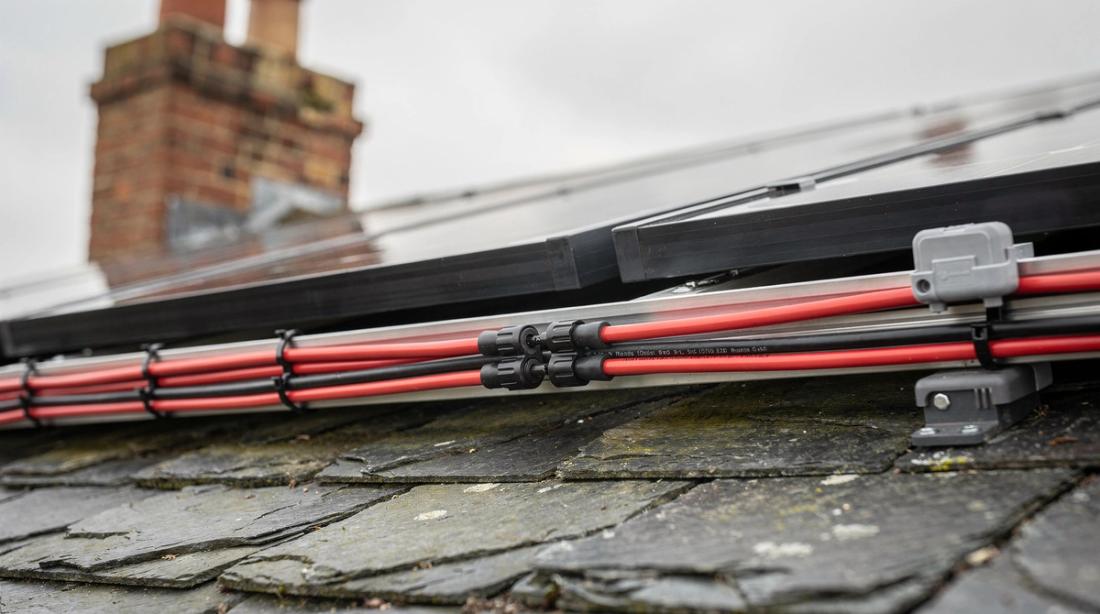
For most retrofits the answer is AC-coupled, because it adds a separate battery inverter alongside the working PV inverter and leaves the existing array untouched. DC-coupled retrofits route the battery through a hybrid inverter and suit cases where the old inverter is due for replacement anyway.
The trade-off is efficiency against disruption. The categories below summarise the two routes.
- AC-coupled: adds a standalone battery inverter, keeps the existing PV inverter, simplest retrofit, slightly lower round-trip efficiency because power is converted more than once.
- DC-coupled: replaces or uses a hybrid inverter so the battery shares DC conversion with the array, higher efficiency, but a bigger job that touches the existing PV side.
- Rule of thumb: retrofit to a healthy, recent PV inverter goes AC-coupled; a retrofit that coincides with an ageing inverter is the moment to consider DC-coupled or hybrid.
On site, the deciding factor is often the age and warranty of the existing inverter. If it is young and healthy, leave it alone and go AC-coupled. If it is near the end of its life or already showing faults, folding an inverter replacement into the battery job as a DC-coupled or hybrid design can be the tidier outcome, because you avoid returning to swap the inverter a year later. Our hybrid inverter guide covers the sizing detail when a hybrid is the better call.
What DNO approval does a retrofit battery need?
The new battery inverter is generation, so the retrofit needs the same DNO route as any generator: G98 notify-and-connect at or below 16A per phase (3.68 kW single-phase), or a G99 application and approval above that (National Grid, 2026). Under G98 you notify within 28 days of commissioning.
The point installers miss on retrofits is aggregation. The DNO assesses total generation at the property, so an existing 3.68 kW solar inverter plus a new 3.68 kW battery inverter presents as roughly 7 kW and needs G99 approval, even though each unit sits at the G98 limit on its own. Check the existing inverter's rating from the original commissioning paperwork before you assume the simpler route applies, because getting this wrong turns a same-day install into a stalled job waiting on approval.
Where G99 approval would slow the job, an export limitation device configured under G100 can cap the site's export to its agreed figure and keep the retrofit inside a simpler route (National Grid, 2026). Our G98 guide, G99 guide and G100 guide set out each path.
Retrofitting a solar battery step by step
A retrofit follows a repeatable sequence, and getting the order right is what keeps the DNO paperwork and the electrical sign-off aligned. Rushing the survey or leaving the connection route until commissioning is where jobs slip. The working checklist below is the one most installers use to run a retrofit from first visit through to handover.
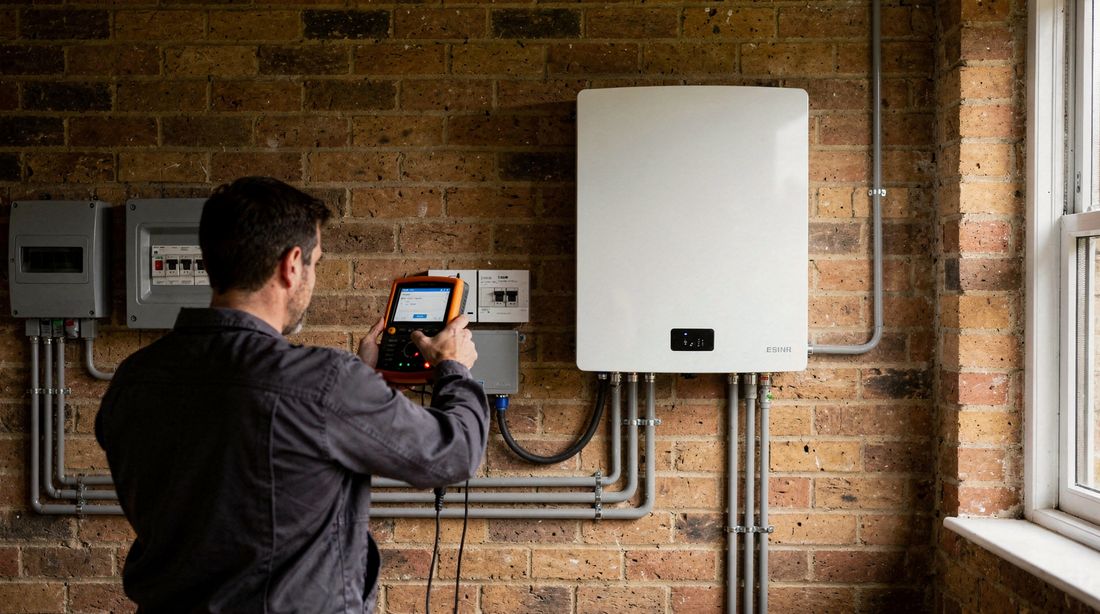
- Survey: record the existing inverter rating, consumer unit spare ways, earthing arrangement and a compliant battery location under PAS 63100.
- Size and design: match battery and inverter to evening load and surplus solar, then check the aggregated generation figure against the G98 and G99 thresholds.
- DNO route: notify under G98, or apply for G99 approval before install, adding a G100 export limit where it helps.
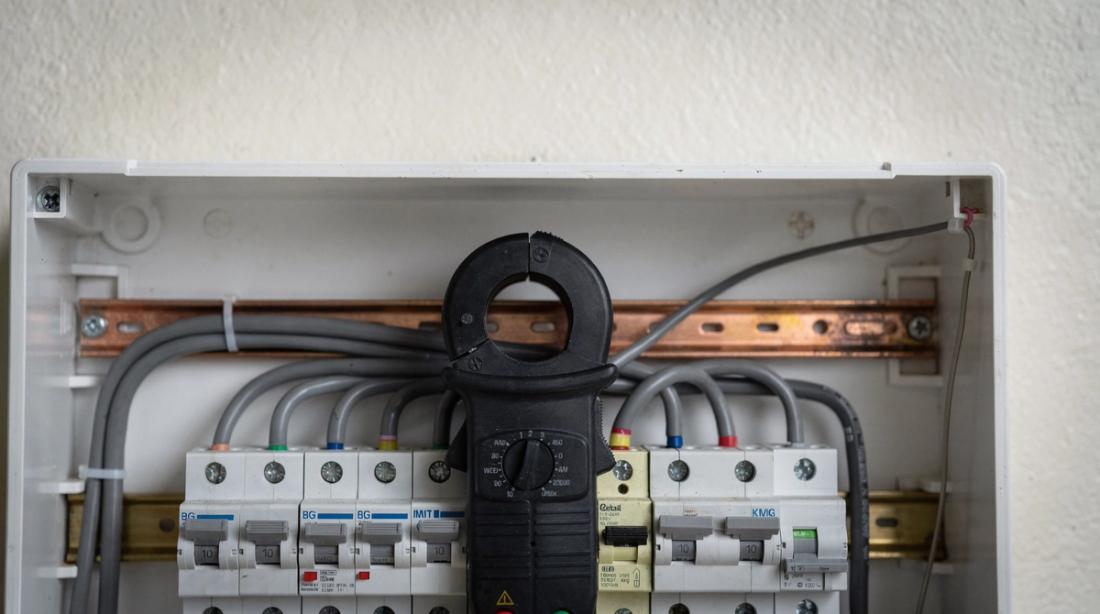
- Install to BS 7671: wire the battery inverter, protection and metering, and site the battery away from bedrooms and escape routes.
- Commission and certify: test, issue the electrical installation certificate, complete the DNO notification and hand over the paperwork.
Treat the location survey as the make-or-break step. If there is no compliant spot for the battery, the rest of the design does not matter, and it is far cheaper to find that out on the survey than on install day.
Which regulations and standards apply to a retrofit?
A retrofit meets the same stack as any battery install: BS 7671 for the wiring, including the Amendment 4 battery chapter from 15 April 2026, PAS 63100:2024 for fire siting, Part P for the electrics as a building regulation, and the ENA rules for the connection (IET, 2026).
PAS 63100:2024 governs where the battery can go and rules out sleeping rooms and unprotected escape routes, which is why the survey location check matters so much on an existing home (BSI, 2024). The IET Code of Practice for Electrical Energy Storage Systems, 3rd edition, published on 4 June 2024, is the practical companion for design and commissioning (IET, 2024).
Because the electrical connection is a new circuit for the battery inverter, it is notifiable under Part P and self-certified through a competent person scheme. An MCS-certified retrofit ties these standards together and keeps the customer inside consumer-code protection.
Planning permission is rarely a factor because a domestic battery is treated as ancillary equipment under permitted development, but listed buildings, conservation areas and some external enclosures are the exceptions to check (Planning Portal, 2026). Planning status never removes the DNO notification, so treat the two as separate boxes that both have to be ticked before handover.
Common retrofit mistakes to avoid
The failures that show up on retrofits are rarely about the wiring. The most common is assuming G98 applies because the battery inverter alone is under 3.68 kW, then discovering at commissioning that the aggregated figure with the existing solar needs G99, which the site has not been approved for. Check the total before you quote.
The second is promising a battery location the standards do not allow. A cupboard on a landing or a spare bedroom often looks ideal to a customer but falls foul of the PAS 63100 rules on escape routes and sleeping rooms. Confirm a compliant, ventilated location at survey so the price and the plan hold together rather than unravelling on install day.
Costs, VAT and paperwork on a retrofit
The headline commercial point is VAT. A retrofit battery installed in a home qualifies for the temporary 0% rate that runs until 31 March 2027, after which energy-saving materials revert to 5% (gov.uk, 2024). The invoice should show the zero rate for a qualifying domestic job.
The paperwork that closes a retrofit is the electrical installation certificate, the DNO notification or approval reference, evidence of PAS 63100 siting, and the Part P notification. Keeping these together per project is what lets the customer prove compliance later, and what protects the installer in an audit.
Reonic helps installers manage that survey-to-handover trail so a retrofit job's certificates, connection references and siting notes stay tied to the project. Our VAT on solar and batteries guide covers the invoicing side in full.
Frequently asked questions
Can you add a battery to any existing solar system?
In most cases yes. An AC-coupled retrofit adds a separate battery inverter and works with almost any existing PV system, regardless of the original inverter brand. The main constraints are a compliant battery location under PAS 63100 and whether the aggregated generation pushes the site into a G99 application.
Does adding a battery to solar need a new DNO application?
Usually yes. The battery inverter is new generation, so you notify under G98 within 28 days at or below 3.68 kW per phase, or apply for G99 approval before install above that (National Grid, 2026). Existing solar generation counts toward the threshold through aggregation.
Is AC-coupled or DC-coupled better for a retrofit?
For a retrofit to a healthy existing PV inverter, AC-coupled is usually better because it leaves the array untouched and is the simpler job. DC-coupled or hybrid makes sense when the existing inverter is ageing or due for replacement, since the higher efficiency then offsets the larger amount of work.
Do retrofit batteries qualify for 0% VAT?
Yes. Since 1 February 2024 retrofitting a battery to store electricity from solar, wind or the grid qualifies for the temporary zero rate of VAT in a home, running until 31 March 2027 (gov.uk, 2024). After that date the rate reverts to 5% for energy-saving materials.
Where should a retrofit battery be installed?
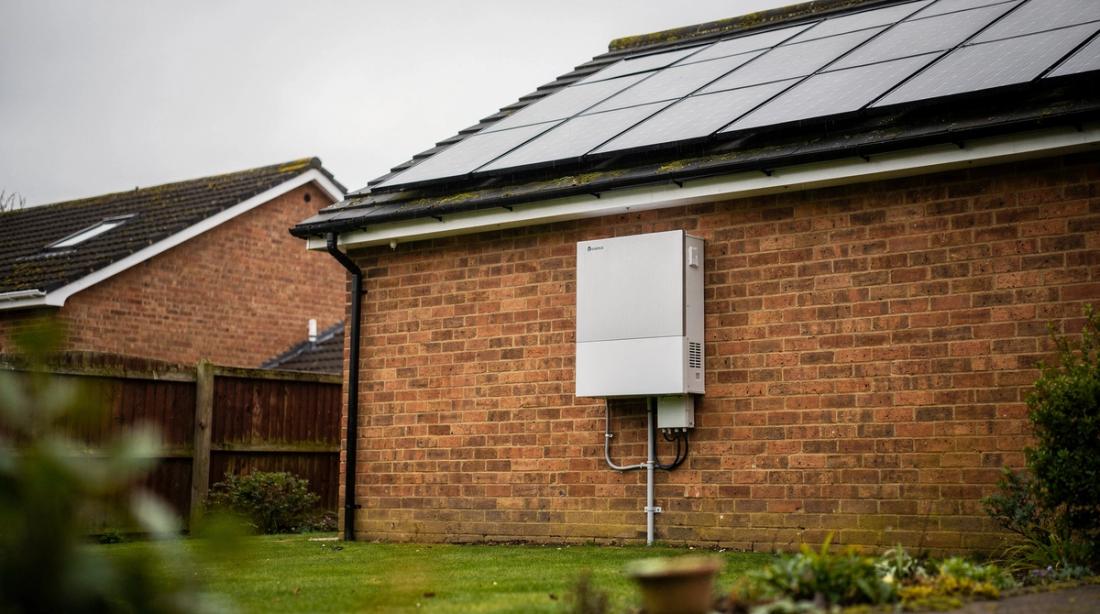
Away from sleeping rooms and unprotected escape routes, per PAS 63100:2024, which usually means a garage, plant room, outbuilding or ventilated external wall enclosure (BSI, 2024). Confirming a compliant location on the survey is the single most important step of a retrofit.