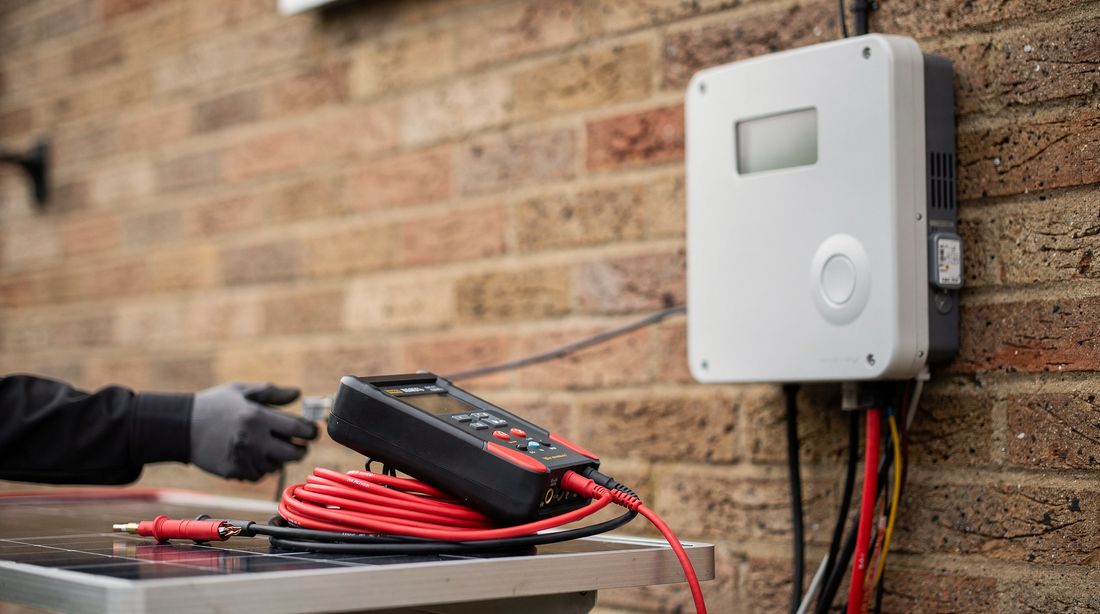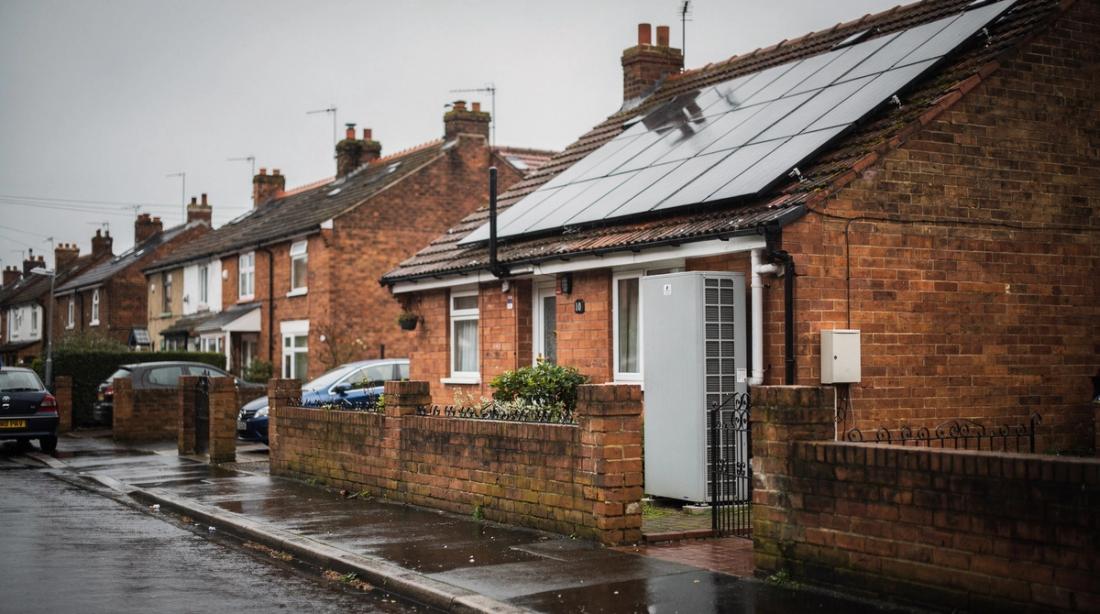

The Warm Homes Plan is the UK government's £13.2bn programme to upgrade up to 5 million homes and lift up to a million families out of fuel poverty by 2030 (GOV.UK, 2026). For installers, it is the largest funded pipeline of solar, battery and heat pump work this decade, and it replaces the fragmented ECO and local-authority schemes many firms have relied on.
Published on 21 January 2026, the plan sits inside a wider £15bn package and combines direct grants, a new consumer loan scheme and an expanded Boiler Upgrade Scheme (GOV.UK, 2026). This guide breaks down each funding stream, who qualifies, and the practical steps to position your business for the work ahead.
Key Takeaways
- The plan directs around £5bn to low-income and fuel-poor homes to 2030, including £4.4bn in direct capital grants.
- A new Warm Home Loans Scheme will offer low and zero-interest finance for solar PV, batteries and heat pumps, phasing in from 2027.
- The Boiler Upgrade Scheme continues at £7,500, with £9,000 for eligible off-gas homes from 21 July 2026 to 31 March 2027.
- Grant delivery is consolidating under a new Warm Homes Agency, so MCS certification and quality standards matter more, not less.
- GBIS ended on 31 March 2026 and ECO4 runs only to December 2026, making the shift to funded and able-to-pay work urgent.
What is the Warm Homes Plan?
The Warm Homes Plan is the government's decade-long framework for cutting home energy bills, published on 21 January 2026 and last updated on 18 March 2026 (GOV.UK, 2026). It sets out how £15bn of public investment will roll out insulation, solar, batteries and heat pumps across England and Wales through to 2030.
It is best understood as an umbrella, not a single grant. Underneath it sit the Warm Homes: Local Grant, the Warm Homes: Social Housing Fund, the Boiler Upgrade Scheme and a new consumer loans scheme. Each stream targets a different household type, and each has its own route to accreditation and payment for the installers delivering it.
This structure matters because the plan deliberately moves away from single-measure retrofits. Government messaging frames heat pumps, solar and storage as one connected system that reduces gas dependence and gives households more control. Installers who can quote and deliver across those technologies, rather than one product, are the ones the plan is built around.
The funding streams behind the plan
The plan commits £13.2bn of the wider £15bn package, with around £5bn going to low-income and fuel-poor households to 2030 (GOV.UK, 2026). Within that, £4.4bn is direct capital grant funding, backed by an initial £600m from the Warm Homes Fund. The headline streams break down as follows.
- Warm Homes: Local Grant: £500m, delivered by local authorities from April 2025 to March 2028, for the worst-quality privately owned homes.
- Direct capital grants to 2030: around £4.4bn for low-income and fuel-poor households, replacing ECO, GBIS and the patchwork of local schemes.
- Universal clean-heat grant: around £2.7bn to 2029/30, expanding each year and reaching an estimated 400,000 more households and small businesses.
- Warm Home Loans Scheme: roughly £1.7bn in low and zero-interest consumer loans for the able-to-pay market, phasing in from 2027.
- Boiler Upgrade Scheme: continued grant funding for heat pumps, run through Ofgem on an installer-led basis.
The scale of the number matters less than its shape. Because grants, loans and the Boiler Upgrade Scheme run in parallel, almost every household in England and Wales now has a funded or financed route to solar, storage or a heat pump. The installer's job is increasingly to identify the right route for each customer rather than to hunt for the rare household that qualifies for anything at all.
Who qualifies for Warm Homes Plan grants?
Grant eligibility centres on lower-income households in poorer-performing homes: broadly a household income at or below £36,000, an eligible postcode, or a qualifying benefit, in a privately owned property rated EPC D to G. The Warm Homes: Local Grant applies these tests at local-authority level, so exact thresholds vary by area.
Private landlords are covered but capped. Under the Warm Homes: Local Grant, one eligible home can be fully funded per landlord, with a 50% cost contribution required for any additional homes (WHLG policy guidance, 2026). For fuller detail on how the local grant is administered and claimed, see our Warm Homes: Local Grant delivery guide.
Households that do not qualify for a grant are not excluded from the plan. They are the intended market for the loan scheme, and many will still access the Boiler Upgrade Scheme, which has no income test. Knowing which route a given customer falls into is now part of the sales conversation, not an afterthought.
How does the new Warm Home Loans Scheme work?
The Warm Home Loans Scheme supports private lenders to offer below-market finance to homeowners and private landlords installing low-carbon upgrades, including solar PV, batteries and heat pumps (GOV.UK, 2026). Government reduces the lender's cost through a principal-reducing grant, so borrowers see lower rates than a standard loan.
Around £1.7bn is earmarked for low and zero-interest loans, and full eligibility is expected to be published later in 2026 with a phased launch from 2027 (Find a grant, 2026). Air source, ground source and the newer air-to-air heat pumps are all in scope, alongside PV and home batteries, which fits the plan's whole-system approach.
For installers, this is the stream that opens up the able-to-pay market. A homeowner who cannot justify a five-figure cash outlay can often justify a monthly repayment near their current bill savings. Building finance into the quote, rather than presenting a cash price alone, is likely to become a standard part of conversion. Pairing it with retrofitting battery storage onto existing solar is a natural upsell.
The Boiler Upgrade Scheme within the plan
The Boiler Upgrade Scheme remains the main route for heat pump grants and continues under the plan. It offers £7,500 towards an air-to-water, ground source or water source heat pump, with £9,000 available for eligible off-gas properties from 21 July 2026 to 31 March 2027 (GOV.UK, 2026).
The scheme is installer-led. You apply to Ofgem for the voucher on the customer's behalf, which means your MCS registration and paperwork discipline directly determine whether the grant lands (Ofgem, 2026). The off-gas uplift is a strong near-term hook for oil and LPG homes, and it is covered in our heat pump grants for oil boiler replacement guide.
Unlike the grant streams, the Boiler Upgrade Scheme carries no income test, so it reaches the able-to-pay market that the loan scheme also targets. Many jobs will stack the £7,500 grant against a Warm Home loan for the remaining cost, which brings a heat pump within monthly reach for households that could never fund it outright.
How does the plan compare to ECO4 and GBIS?
The plan is broader and more centralised than the schemes it replaces. ECO4 and GBIS were obligations placed on energy suppliers, delivered through a scatter of subcontractors and local projects. The Warm Homes Plan folds that into direct government grants, a loan scheme and the Boiler Upgrade Scheme, coordinated by a single Warm Homes Agency. The practical differences look like this.
- Funding source: ECO4 and GBIS were supplier-funded obligations; the Warm Homes Plan is direct public investment of £13.2bn.
- Who it reaches: the old schemes focused on low-income homes only; the plan adds an able-to-pay loan route for everyone else.
- Technologies: ECO leaned on insulation and single measures; the plan pushes combined solar, storage and heat pump systems.
- Administration: a patchwork of suppliers and LAs is being replaced by one Warm Homes Agency handling eligibility and accreditation.
- Timeline: GBIS ended 31 March 2026 and ECO4 runs only to December 2026, with the plan's streams running to 2030.
What the Warm Homes Plan means for installers
It means a larger, more consolidated market than ECO ever offered. The plan commits £4.4bn in direct grants plus roughly £1.7bn in loans and the expanded Boiler Upgrade Scheme, with delivery moving under a single Warm Homes Agency that will manage eligibility, quality assurance and installer accreditation in one place (Heat Geek, 2026).
The near-term risk is the transition. GBIS closed on 31 March 2026 and ECO4 runs only to December 2026, with no ECO5 planned. Firms that treated funded scheme work as their main revenue cannot defer the shift toward grant, loan and able-to-pay work without a gap in the order book.
The constraint on the whole plan is capacity, not demand. The Warm Homes: Local Grant had installed only around 1,000 measures across roughly 580 households by March 2026, figures the government itself says undercount delivery but which still show how early the ramp is (GOV.UK, 2026). Solar PV made up 40% of those measures, so demand for accredited PV and heat pump teams will run ahead of supply for years.
How to prepare your business for the work
Start with accreditation, because every stream gates on it. MCS certification is the entry ticket for the Boiler Upgrade Scheme and the grant programmes, and the redeveloped scheme adds financial-protection and quality checks. If you are not yet certified, our guide on how to become MCS certified walks through the route, and the MCS accreditation overview explains how the scheme fits together.
Then build for volume and mixed technologies. That means quoting solar, batteries and heat pumps as combined systems, offering finance alongside cash prices, and keeping the compliance paperwork tight enough that grant vouchers are never delayed. A field observation from scheme-heavy work: the firms that stall are rarely short of leads, they are short of clean documentation and the engineers to install at pace.
Finally, treat the customer journey as part of the product. Households navigating grants, loans and eligibility rules want a single point of contact who can tell them which route they fall into and handle the admin. Tools that keep quoting, compliance and scheme paperwork in one place, such as Reonic's platform for installers, help small teams deliver that experience without adding headcount.
When did the Warm Homes Plan start?
The Warm Homes Plan was published on 21 January 2026 and last updated on 18 March 2026, though several component schemes were already running. The Warm Homes: Local Grant has been delivering since April 2025, while the new consumer loan scheme is expected to launch in phases from 2027 with detailed eligibility published later in 2026.
How much is the Warm Homes Plan worth?
The plan commits £13.2bn, part of a wider £15bn package that the government calls the largest ever public investment in home upgrades. Around £5bn is aimed at low-income and fuel-poor homes to 2030, including £4.4bn in direct capital grants, with a further £2.7bn for universal clean-heat support out to 2029/30.
Can private landlords access Warm Homes Plan funding?
Yes, but with limits. Under the Warm Homes: Local Grant, one eligible property can be fully funded per landlord, and any additional homes require a 50% cost contribution. Landlords can also use the forthcoming Warm Home Loans Scheme, which covers private rented sector properties for solar, batteries and heat pumps.
Does the Warm Homes Plan replace the Boiler Upgrade Scheme?
No. The Boiler Upgrade Scheme continues within the plan and remains the main heat pump grant route in England and Wales. It offers £7,500 towards most heat pumps, with £9,000 for eligible off-gas homes between 21 July 2026 and 31 March 2027. Applications stay installer-led through Ofgem.
What do installers need to deliver Warm Homes Plan work?
MCS certification is the baseline for the grant streams and the Boiler Upgrade Scheme, and the redeveloped MCS scheme adds financial-protection standards. Beyond that, installers need the capacity to deliver multiple technologies, tight compliance paperwork so grant vouchers are not delayed, and ideally an in-quote finance option for able-to-pay customers.