
There is no single "solar installer apprenticeship" in the UK, but there are funded, government-backed routes that bring young people into solar work, and demand for them has rarely been higher. The UK recorded 120,000 MCS-certified solar installations in the first half of 2025 alone, a 37% rise year on year (Solar Power Portal, 2025), while the government's solar roadmap expects the sector to grow from about 17,000 jobs today to as many as 35,000 by 2030 (gov.uk, 2025).
For an installer with a growing book of work, an apprentice is the most structured way to build capacity from within. This guide sets out the real training routes into solar, what you pay an apprentice, how the 2026 funding works, and the practical steps to take someone on. The short version: you hire through an electrical or low carbon heating apprenticeship, add solar-specific product training, and let government funding cover most of the training bill.
Key Takeaways
- No standalone solar PV apprenticeship exists; installers recruit through the Level 3 electrician or low carbon heating technician standards, then add MCS-recognised PV training.
- The apprentice minimum wage is £8 an hour from April 2026, though competitive installers pay well above it.
- Training is 100% government-funded for new apprentices under 25, and a £2,000 hiring payment for 16 to 24 year olds starts on 1 October 2026.
- The electrician apprenticeship runs about 48 months; the low carbon heating technician route runs about 36 months.
- Solar deployment is at record levels, so building your own installers now hedges against a widening skills gap.
Is there a dedicated solar installer apprenticeship in the UK?
No, there is no apprenticeship standard called "solar PV installer" in England. Solar installers are trained through broader electrical or heating apprenticeships, then gain photovoltaic competence through manufacturer and MCS-recognised courses. This matters when you advertise a role. You are hiring an apprentice electrician or heating technician who will specialise in solar, not a ready-made solar apprentice.
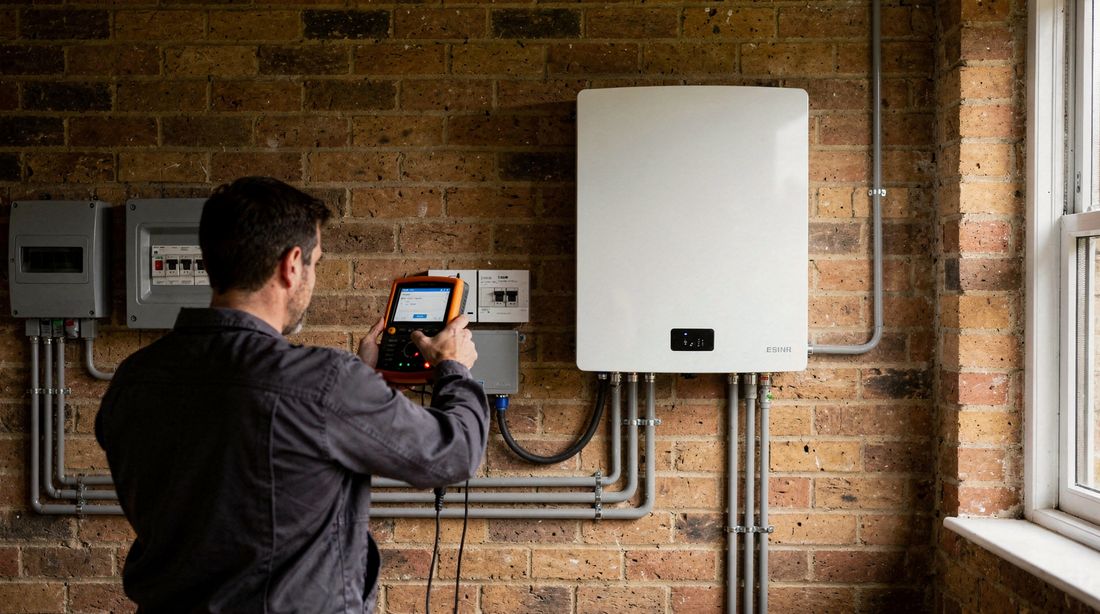
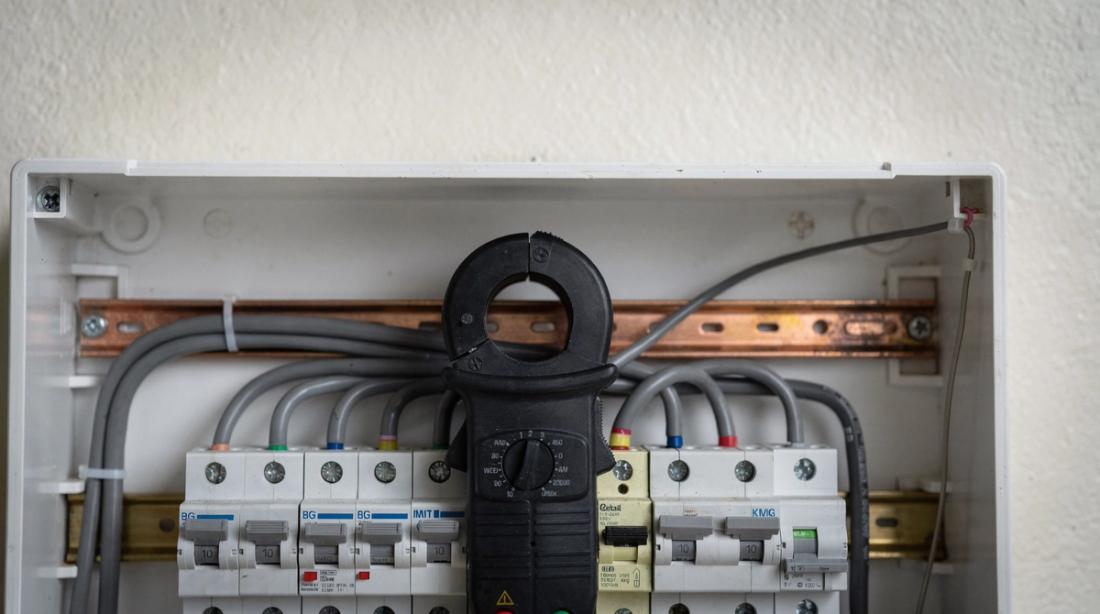
The two standards that map onto solar work are the installation and maintenance electrician (Level 3) and the low carbon heating technician (Level 3), the latter aimed at heat pumps rather than PV (gov.uk, 2026). Most rooftop solar work sits closest to the electrical route, because grid connection, DC and AC wiring, isolation and inverter commissioning are electrical tasks. Battery storage and EV charging, which installers increasingly bundle with solar, lean the same way.
What apprenticeship routes lead into solar installation?
Three routes carry an apprentice toward competent solar work, and the one you pick depends on your trade mix. Each is a recognised Level 3 standard with a set duration and a government funding band, which is the maximum the state will pay a training provider for the off-the-job learning.
Route options at a glance:
- Installation and maintenance electrician (Level 3): about 48 months, funding band £20,000. The core route for PV, batteries and EV chargers (gov.uk, 2026).
- Low carbon heating technician (Level 3): about 36 months, funding band £22,000. Best fit if your work is weighted toward heat pumps (gov.uk, 2026).
- Foundation apprenticeship (entry level): a shorter, fully funded on-ramp for 16 to 21 year olds that can feed into a full Level 3 standard (gov.uk, 2026).
Whichever route you choose, solar-specific competence is added on top. An apprentice electrician learns inverters, string design and MCS procedures through separate PV training, often the same courses an established electrician takes to join the MCS scheme. Pairing the apprenticeship with that product training is what turns a general electrician into a solar installer.
What is the solar apprentice wage in the UK?
The legal floor is the apprentice national minimum wage, which rose to £8 an hour from April 2026, up from £7.55 the year before (gov.uk, 2026). That rate applies to apprentices under 19, and to those aged 19 or over in their first year. After the first year, an apprentice aged 19 or over moves to the rate for their age: £10.85 an hour at 18 to 20, or £12.71 at 21 and over (gov.uk, 2026).
Most solar employers pay above the floor, because the apprentice rate sits well below the adult minimum and the trade competes hard for young talent. The apprentice rate jumped 18% in April 2025, from £6.40 to £7.55, yet still trails the adult rate by several pounds an hour (FE Week, 2025). Entry-level solar roles advertised at the 2025 Solar Careers UK jobs fair started around £500 a week for a trainee (Solar Energy UK, 2025). Treat the statutory rate as a legal minimum, not a going rate.
Apprentice pay reference (from April 2026):
- Apprentice rate (under 19, or first year): £8.00 an hour.
- 18 to 20, after first year: £10.85 an hour.
- 21 and over, after first year: £12.71 an hour.
How much does hiring a solar apprentice cost in 2026?
Less than most installers expect, because the training itself is largely paid for by the government rather than the employer. For new apprentices under 25, 100% of the training cost is covered, so a small installer taking on a school leaver pays no fee to the training provider for the off-the-job element (gov.uk, 2026). Your direct cost is the apprentice's wage and the time your qualified staff spend mentoring on site.
From 1 October 2026 the incentives improve again. Non-levy employers can claim a £2,000 apprenticeship hiring payment for each new apprentice aged 16 to 24, with the earliest payments landing from January 2027 (gov.uk, 2026). Watch the adult side: for apprentices aged 25 and over, employer co-investment is set to rise from 5% to 25% for new starts from 1 August 2026, so the funding is most generous for younger recruits (gov.uk, 2026).
How do you hire a solar apprentice, step by step?
Hiring runs through the apprenticeship service, not a standard job advert, and the sequence is straightforward once set up. First, choose the standard that fits your trade mix, usually the installation and maintenance electrician. Second, find a training provider, typically a local college or a specialist electrical training body, who delivers the off-the-job learning and the end-point assessment.
Third, set up an apprenticeship service account on gov.uk to reserve funding and manage the agreement. Fourth, advertise the vacancy, which the provider can post for you on the Find an Apprenticeship service. The solar industry is building dedicated pipelines to help: Solar Energy UK's Solar Careers UK programme, launched in March 2025, runs jobs fairs and a careers hub that connect employers with new entrants (Solar Power Portal, 2025). Regional schemes such as Solar Skills London also support firms to become MCS-registered as they grow their teams (London.gov.uk, 2025).
Plan around two practical rules. An apprenticeship must last at least 12 months, and the apprentice has to spend at least 20% of their paid hours on off-the-job training, usually a day a week at college or with the provider. Build that day out of your scheduling from the start, because it is a funding condition, not an optional extra, and losing track of it is the most common reason an apprenticeship falls out of compliance.
What does a solar apprentice actually do on site?
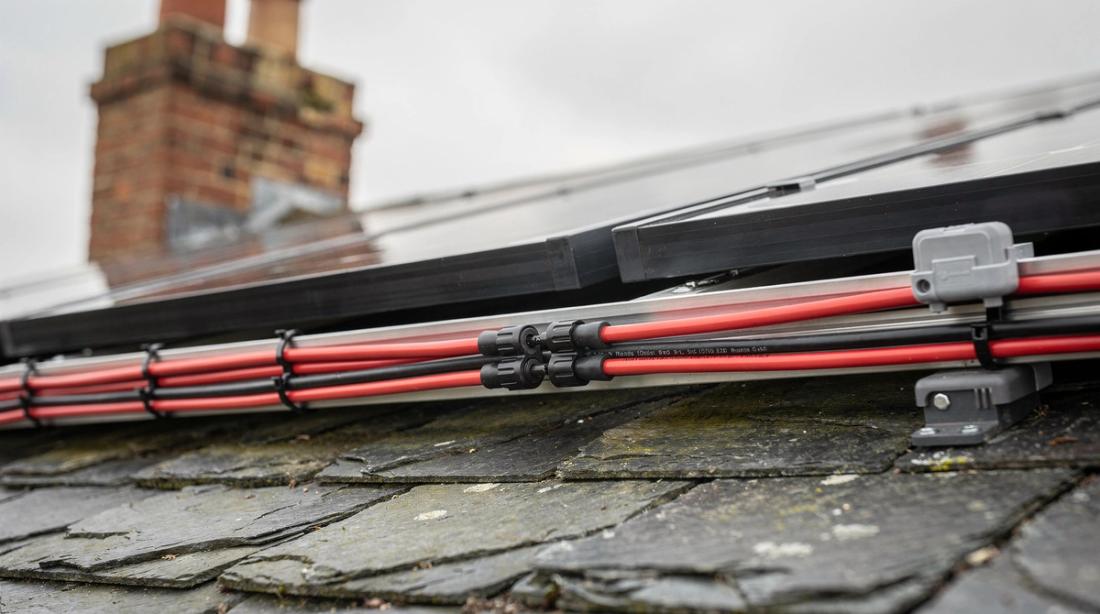
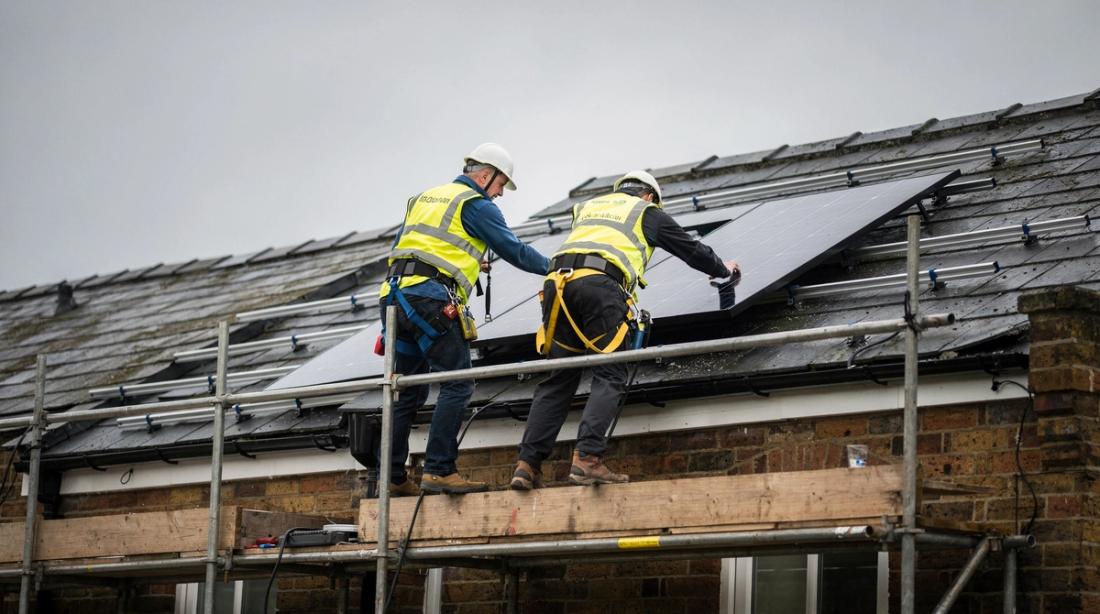
In practice an apprentice starts on the parts of a job that build safe habits before they touch live electrical work. On a typical rooftop install, that means handling mounting rails and panel placement, learning roof safety and scaffold discipline, and watching the lead installer terminate DC strings and set isolation. Over months they progress to AC connections, inverter commissioning and the paperwork that MCS and DNO notification demand. Working at height and electrical safety sit at the centre of that early period, so the first weeks are as much about method and risk awareness as about wiring.
The mentoring load is real and worth planning for. One observation from running installs: an apprentice slows the first few jobs down, then becomes genuinely productive around the point they can commission an inverter unsupervised, usually well into the second year. Budget for that curve rather than expecting day-one output, and rotate the apprentice across solar, battery and EV work so their competence matches the mixed jobs most installers now sell.
Why the apprenticeship route matters for solar businesses
The strategic case is a tightening labour market. Record deployment, 267,032 MCS-certified solar PV installations across 2025, is meeting a workforce the government itself describes as needing to double by 2030 (MCS, 2025; gov.uk, 2025). Installers who wait to poach qualified staff will pay a rising premium for them.
Growing your own installers through apprenticeships is the hedge. It locks in capacity at a known cost, builds loyalty, and spreads your methods and quality standards through the next hire rather than importing someone else's habits. For a business planning to scale with the market, the apprentice you take on in 2026 is the qualified lead installer who runs your crews in 2030. Reonic's installer software helps a growing team keep that quality consistent as headcount rises, from survey to commissioning.
Frequently asked questions
Do I need to be MCS-certified to take on a solar apprentice?
No, you do not need MCS certification to employ an apprentice, but your business should be doing genuine solar or electrical work for them to learn from. Many installers use the apprenticeship period to build toward MCS registration themselves, and schemes like Solar Skills London actively support firms through that step (London.gov.uk, 2025).
How long does a solar apprenticeship take?
The electrician route runs about 48 months and the low carbon heating technician route about 36 months (gov.uk, 2026). Solar-specific product and MCS training sits on top and is much shorter, often a few days per manufacturer or scheme, so the apprenticeship length is driven by the underlying trade standard.
What qualifications does a solar apprentice end up with?
A completed Level 3 standard, equivalent to A level, plus the end-point assessment for that trade (gov.uk, 2026). To work unsupervised on notifiable electrical and solar work, they will also need the relevant competence recognised by MCS and their certification scheme, which the employer helps them reach after the apprenticeship.
Can I get funding if I already pay the apprenticeship levy?
Yes. Levy-paying employers draw down their own funds for training, and non-levy payers get the training funded at 100% for new starts under 25 (gov.uk, 2026). From 1 August 2026, co-investment for apprentices aged 25 and over rises to 25% for new starts, so younger recruits remain the most cost-effective.
Is hiring an apprentice worth it for a small installer?
For most growing installers, yes. With training largely funded and a £2,000 hiring payment arriving for 16 to 24 year olds from October 2026, the main cost is wages and mentoring time (gov.uk, 2026). Against a workforce projected to double by 2030, building your own installers is cheaper than competing for scarce qualified staff later (gov.uk, 2025).