
A solar diverter is a device that sends a solar PV system's surplus electricity to the immersion heater in a hot water cylinder instead of exporting it, and in 2026 that surplus is worth around 24.67p per kWh of avoided grid electricity against 7.5p to 12p on a typical export tariff (Ofgem, 2026). For the right household, self-consuming that power is worth more than double exporting it.
For installers, the immersion diverter is one of the cheapest self-consumption upgrades to add to a PV job. This guide explains how a solar power diverter works, how it compares to export payments and battery storage, what it costs and saves, and what you need to fit one safely under Part P.
Key Takeaways
- A solar diverter redirects surplus PV to the immersion heater, turning free hot water out of energy you would otherwise export cheaply.
- Self-consumed solar is worth about 24.67p/kWh (the Q2 2026 price cap) against 7.5p to 12p on most export tariffs.
- Installed cost is roughly £320 to £700, typically £450 to £550, for a payback of about 3 to 6 years.
- A diverter needs a hot water cylinder, so it does not suit homes with a combi boiler and no tank.
- It is a permanent electrical installation wired into the consumer unit, so Part P and BS 7671 sign-off apply.
What is a solar diverter?
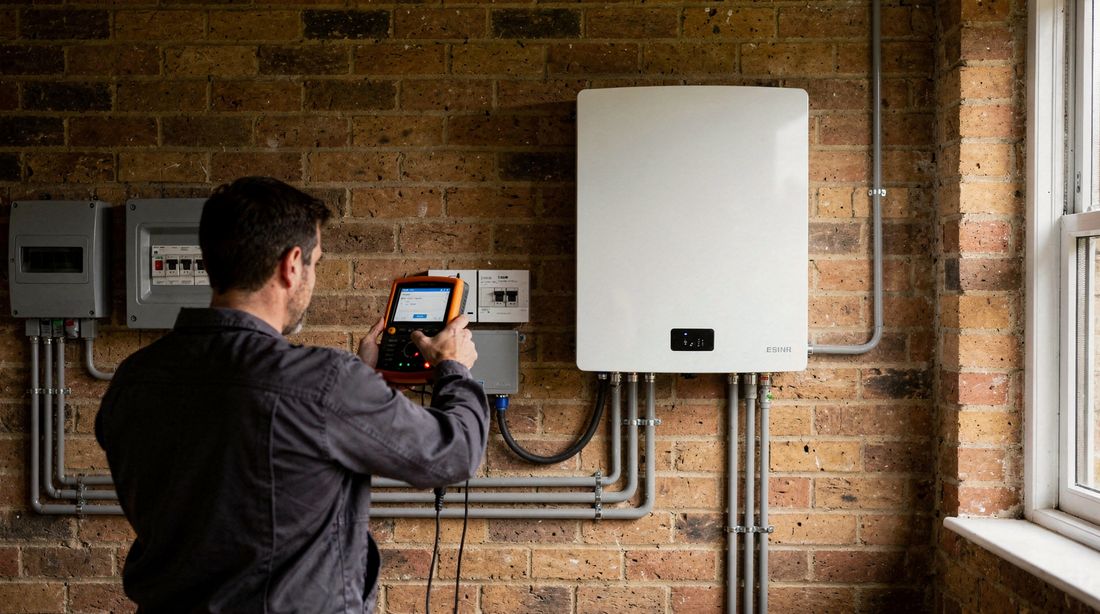
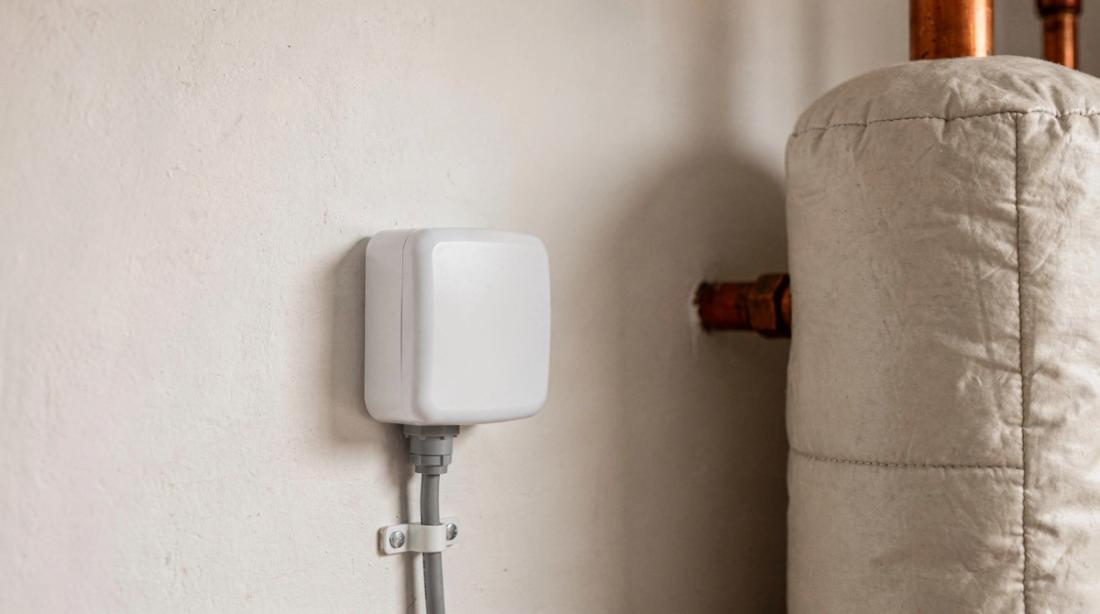
A solar diverter, also called a solar immersion diverter or power diverter, is a small electronic controller wired between your consumer unit and the immersion heater. It monitors generation and household demand many times a second, and when the panels produce more than the home is using, it sends that surplus to the immersion element rather than letting it flow to the grid (Sunsave, 2026).
The point of the device is self-consumption. Without one, surplus PV on a sunny afternoon leaves the property as cheap export. With one, that same energy heats a tank of water the household would otherwise pay grid rates to heat. Once the cylinder reaches temperature, any further surplus exports as normal and the customer still earns their Smart Export Guarantee payments (Deege Solar, 2026).
How does a solar power diverter work?
A quality solar PV diverter uses proportional, or phase-angle, control. If the surplus is 1.2kW, it feeds exactly 1.2kW to the immersion element, and if someone then switches on a kettle, it instantly pulls power back so the home never imports to run the tank (Solar Guide, 2026). This granular control is what separates a proper diverter from a crude timer or relay switch.
Most units work with any standard immersion element rated 1kW, 2kW or 3kW, and with both vented and unvented cylinders (Solar Panels Network, 2026). Sizing the cylinder against typical afternoon surplus matters: too small and the tank is hot by noon and the rest exports anyway, so pair the advice with our unvented cylinder sizing guide.
Feature sets vary, and that is where the price spread comes from. Basic controllers simply modulate a single immersion, while dearer models add app monitoring, boost timers and a second output to feed two cylinders or a heat pump buffer. For a straightforward single-cylinder home the basic unit is usually enough, and the extra spend on connectivity is a comfort feature rather than a saving.
Solar diverter versus the Smart Export Guarantee
This is the core comparison, and it turns on the gap between your export rate and your import rate. Exporting surplus earns the Smart Export Guarantee rate, usually 7.5p to 12p per kWh. Diverting it instead avoids buying grid electricity to heat water, which under the Q2 2026 price cap is worth 24.67p per kWh, rising to 26.11p from July 2026 (Ofgem, 2026).
- Export via SEG: surplus earns roughly 7.5p to 12p per kWh, paid by the export tariff, with no equipment cost beyond the meter.
- Divert to immersion: the same surplus offsets water heating worth about 24.67p to 26.11p per kWh in 2026, over double the export value.
- Best case for diverting: a low fixed export rate of 1p to 5p per kWh, where nearly all self-consumed value is retained.
- Closer call: a high export rate of 12p to 15p per kWh alongside cheap mains gas for water heating.
The practical rule for installers is simple. On a low export tariff, diverting almost always wins, because grid water heating is far more expensive than the export you give up (The Eco Experts, 2026). On a premium export tariff with a gas cylinder, run the numbers before promising a saving.
Solar diverter versus battery storage
A diverter and a battery both raise self-consumption, but they are not the same purchase. A diverter is a single-purpose device costing a few hundred pounds that only stores energy as hot water. A battery costs several thousand and stores electricity for any load, including evening lighting, appliances and an EV. The diverter is the cheaper first step, not a battery replacement.
In practice the two stack well. Households often fit a diverter with their PV, then add storage later once budget allows. If a customer is weighing storage, point them to our retrofit solar battery guide and solar battery sizing guide so the diverter and battery are sized to complement each other rather than compete for the same afternoon surplus.
There is a sizing interaction worth flagging. A large battery will soak up most of the midday surplus, leaving little for the diverter to work with, so on a home with generous storage the diverter earns less. The neat pairing is a modest battery for evening loads plus a diverter that captures the summer overflow the battery cannot hold, which keeps both devices busy rather than fighting over the same kilowatt-hours.
How much does a solar diverter cost and save?
The economics are modest but reliable. The device costs roughly £180 to £400, with a qualified electrician adding £120 to £300 for a half-day visit, so most installs land at £320 to £700 fitted and typically £450 to £550 (Best Builders, 2026). Annual savings usually fall between £90 and £320 on water heating, giving a payback of about 3 to 6 years.
- Device only: around £180 to £400 depending on features such as app monitoring and dual-output control.
- Electrician labour: roughly £120 to £300 for a half-day install and Part P sign-off.
- Installed total: about £320 to £700, most commonly £450 to £550.
- Annual saving: £90 to £320 on hot water, highest for all-electric homes on a low export rate.
- Payback and life: about 3 to 6 years, against a 10 to 15 year unit life.
When is a solar diverter worth it?
A solar diverter is most worthwhile for an all-electric home that heats water with the immersion, a decent cylinder, and a low export rate. It is weakest where a combi boiler leaves no cylinder to heat, because the device needs a tank to divert into (Sunsave, 2026). It also earns most of its keep from April to September, when surplus is high and heating demand is low.
A field observation worth passing on: households that already heat water cheaply with mains gas see a slimmer return, so the diverter suits electric-immersion homes far more than gas-heated ones. Setting that expectation up front avoids a disappointed customer when the winter saving looks small.
Installing a solar diverter: what installers must know
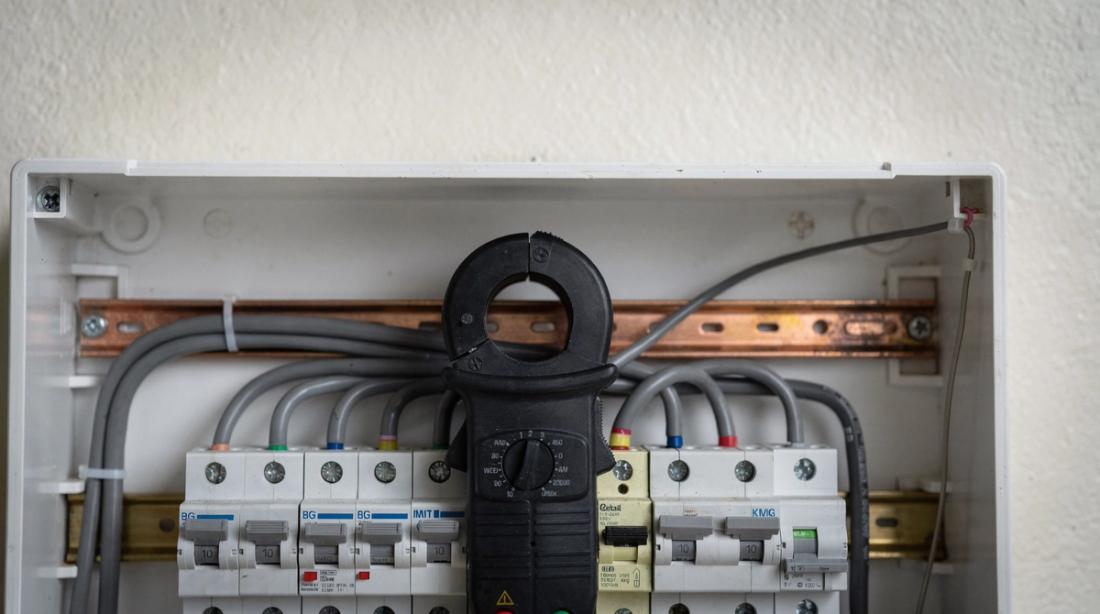
A diverter is a permanent electrical installation wired into the consumer unit, so it sits under Part P of the Building Regulations in England and Wales and must be fitted by a qualified electrician to BS 7671 (Best Builders, 2026). Where the diverter is part of a wider PV project, record it in the handover pack alongside the rest of the install, and see our Part P building regulations guide for the certification detail.
Because a diverter is a controlled load rather than a generator, it does not usually trigger a separate DNO notification the way added generation or storage can. The practical care points are matching the controller to the immersion element rating, confirming the cylinder type, and siting the current sensor correctly so proportional control reads the grid connection accurately.
How to position diverters to customers
Sell the diverter as the low-cost self-consumption add-on that it is, not as a rival to storage. For a homeowner on a poor export rate, a few hundred pounds that turns wasted export into free hot water is an easy yes, and it pairs naturally with a battery conversation later. It also strengthens the wider bill-saving story around 0% VAT solar work, covered in our VAT on solar panels guide.
Where the diverter forms part of a larger quote, keep the numbers honest and the paperwork tidy so the self-consumption claim holds up. Tools that keep quoting, compliance and handover documents in one place, such as Reonic's platform for installers, make it simpler to add small upgrades like a diverter without extra admin drag.
What is the difference between a solar diverter and an immersion diverter?
There is no real difference. Solar diverter, solar immersion diverter and power diverter all describe the same device: a controller that redirects surplus solar PV to a hot water cylinder's immersion heater. The various names are used interchangeably by manufacturers and installers, and they all rely on proportional control to match power to the available surplus.
Is a solar diverter worth it in 2026?
For most all-electric homes on a standard or low export tariff, yes. Diverting surplus offsets water heating worth about 24.67p per kWh in 2026, against 7.5p to 12p on export, so the saving of £90 to £320 a year usually repays the £320 to £700 install in three to six years. It is weaker for gas-heated water or a premium export rate.
Can I fit a solar diverter with a combi boiler?
Not in the usual way. A solar power diverter needs a hot water cylinder with an immersion element to divert surplus into, and a combi boiler heats water on demand without a tank. Homes with a combi and no cylinder cannot use a standard diverter, so self-consumption is better raised through battery storage or a smart hot water cylinder instead.
Does a solar diverter need Part P certification?
Yes. A hot water diverter is a permanent electrical installation wired into the consumer unit, so it falls under Part P of the Building Regulations in England and Wales and must be installed by a qualified electrician working to BS 7671. When the diverter is part of a broader renewables job, include it in the MCS and electrical paperwork for the whole install.
Do I still get export payments with a solar diverter?
Yes. A diverter only uses surplus while the cylinder is heating. Once the tank reaches temperature, any further surplus exports to the grid as normal, so the household continues to earn Smart Export Guarantee payments on what it does not self-consume. The diverter simply captures the most valuable slice of surplus first.