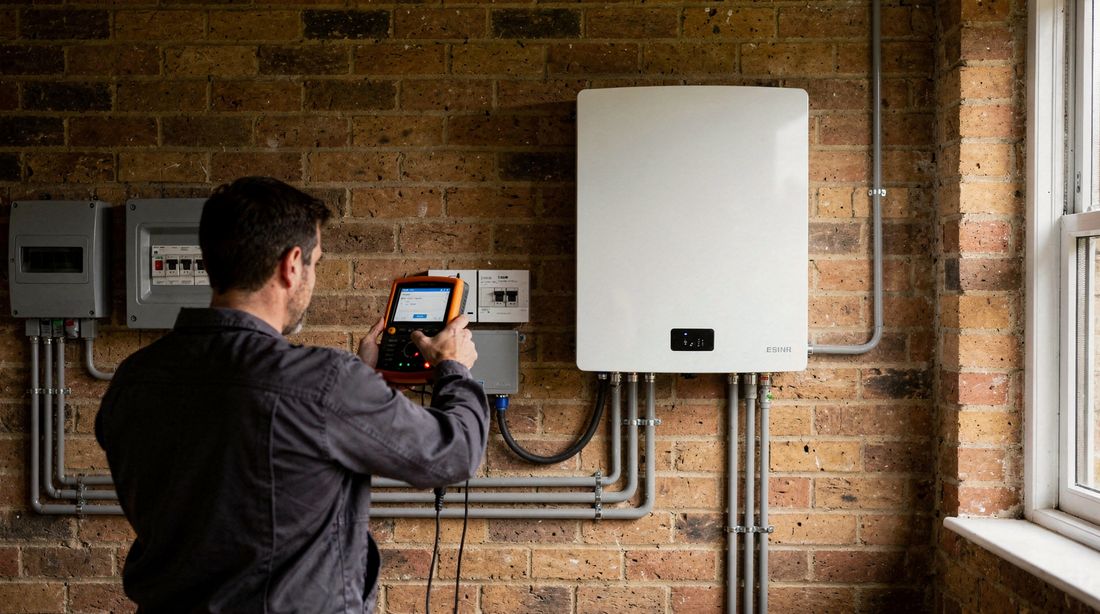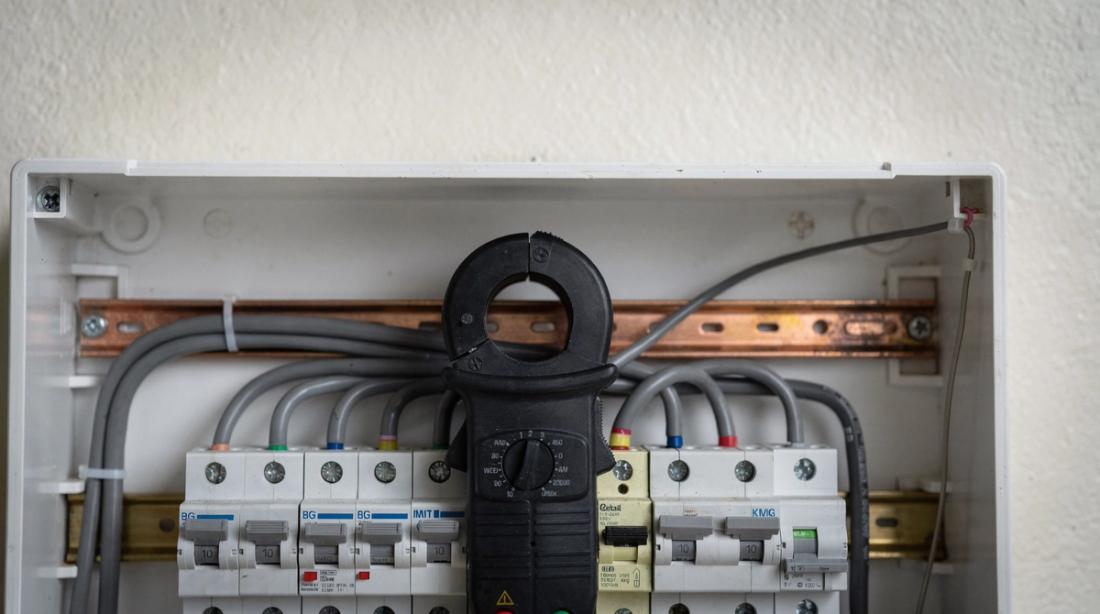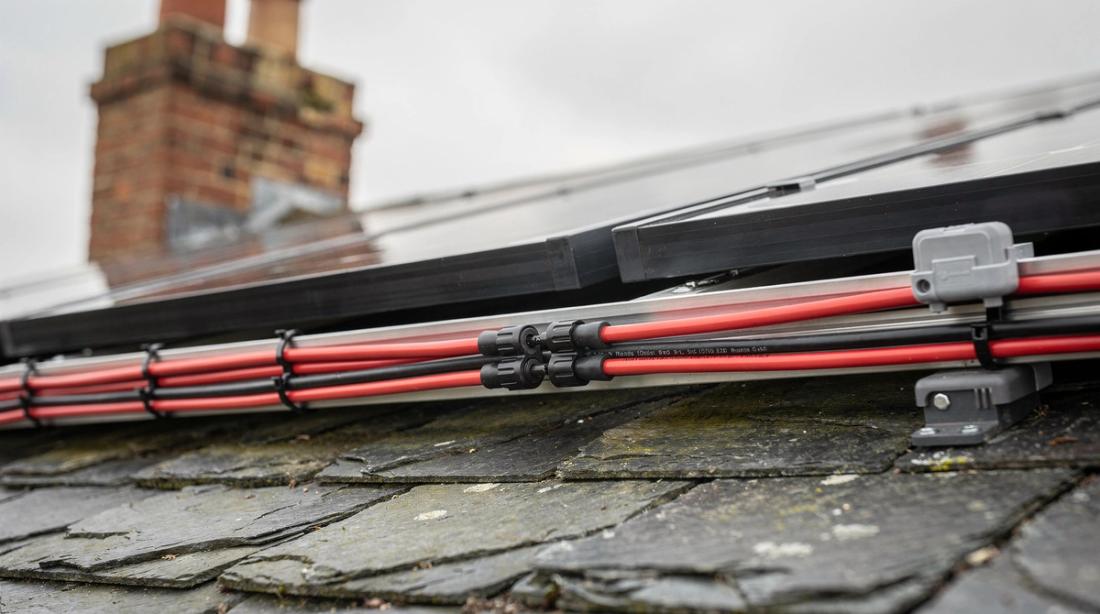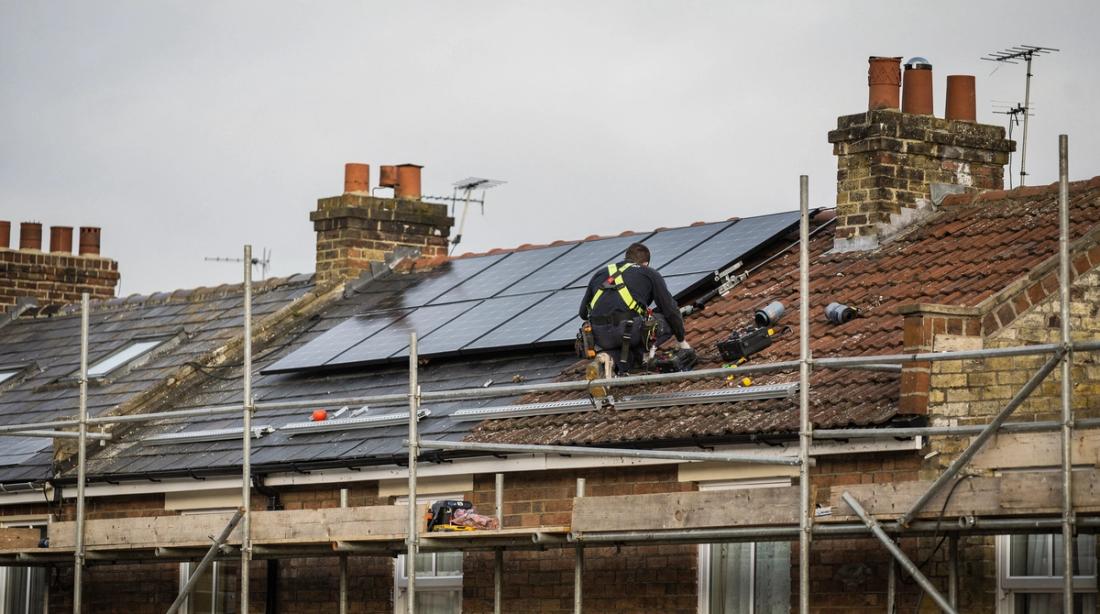

The warm homes local grant scheme has £500 million allocated to 271 local authorities across England, yet official figures show only 580 households upgraded by the end of February 2026 (GOV.UK, 2026). That gap between funding and delivery is exactly where installers come in, because local authorities do not have in-house installation teams and rely almost entirely on accredited contractors and subcontractor networks to get the work done.
For installers, WHLG is not primarily a homeowner benefit to explain at the kitchen table. It is a commercial channel with its own procurement route, its own accreditation bar, and its own paperwork, sitting alongside ECO4, the Boiler Upgrade Scheme, and private-market sales. This guide sets out how a warm homes local grant installer actually gets on the delivery side of the scheme: who to approach, what certifications are required, how the money is structured, and what changes when ECO4 winds down later this year.
Key Takeaways
- WHLG funding runs to £500 million across 271 local authorities, but most councils deliver via appointed delivery partners or subcontractor panels, not direct hire.
- TrustMark registration plus PAS 2030:2023 certification is required for grant-funded WHLG work; MCS alone does not qualify you for this route.
- Funding is capped at £30,000 per owner-occupied home, split into two £15,000 pots for insulation and low carbon heating.
- ECO4 closes to new applications during 2026 with no ECO5 planned, making WHLG and private-market sales the realistic next channel for many installers.
- Solar PV is currently the single most common WHLG measure, at 40% of installations recorded so far.
What Is the Warm Homes: Local Grant, and Why Does It Matter for Installers?
WHLG is a government-funded, locally administered scheme delivering energy performance upgrades and low carbon heating to low-income households in England, with delivery running from April 2025 to March 2028 (GOV.UK, 2026). Unlike ECO4, there is no central obligated supplier route. Instead, each council or combined authority manages its own allocation and appoints contractors to carry out the work locally.
That local administration model is the practical difference installers need to understand. There is no single national portal where you register once and start receiving WHLG leads nationwide. Eligibility applies to households with an EPC rating of D to G, low income (verified through several eligibility pathways), and privately owned status, whether owner-occupied or privately rented. Measures include insulation, solar panels, and air source heat pumps, tailored to each property rather than applied as a standard package.
How Installers Register as a Warm Homes Local Grant Delivery Partner
Installers do not register with central government for WHLG. They win work through local authority procurement, either as a directly appointed delivery partner or as a subcontractor sitting under one. A live example is a Contracts Finder tender seeking a Delivery Partner for the WH:LG scheme, which confirms that councils routinely procure external delivery capacity rather than building it in-house (Contracts Finder, 2025).
In practice, the route to WHLG work looks like this. First, identify which of the 271 participating local authorities cover your operating area, since allocation and delivery timelines vary by council. Second, watch Contracts Finder and regional procurement portals for delivery partner and installer panel tenders, which is how most WHLG work actually reaches the market. Third, some councils appoint a single lead delivery partner who then subcontracts installation work to local firms, so approaching an appointed delivery partner directly can be faster than waiting for the next council tender round.
London illustrates how these structures are evolving. For Year 2 and Year 3, running to March 2028, the capital's Local Grant programme shifted from a single-contractor model to a hybrid structure of two Eligibility & Installation Contractors supported by four Installation Contractors (Warmer Homes London, 2026). Installers report that these regional variations mean a national accreditation strategy matters more than chasing individual council contacts one at a time.
Accreditation Requirements: MCS, TrustMark and PAS 2030 Explained
To deliver grant-funded WHLG installations, you need TrustMark registration and PAS 2030:2023 certification; earlier PAS 2030 versions are no longer valid for this funding route (TrustMark, 2025). MCS certification alone does not unlock WHLG work, even though it remains the standard for private-market solar and heat pump sales.
The two accreditations serve different purposes and installers frequently confuse them. MCS certifies the technical installation standard for microgeneration technologies and is required for the Boiler Upgrade Scheme and manufacturer-facing schemes like the Clean Heat Market Mechanism. TrustMark plus PAS 2030:2023, by contrast, is the quality framework that grant-funded, publicly administered schemes rely on, because it covers whole-house retrofit coordination under PAS 2035, not just the technical installation itself. If you want to be a viable TrustMark registered business for council-administered work, budgeting for both certifications from the outset avoids a costly retrofit later. Firms weighing up the investment can also check current MCS certification cost figures before committing resource to a dual-accreditation strategy.
Retrofit coordination adds a further layer. Under PAS 2035, a qualified Retrofit Assessor and Retrofit Coordinator must be involved in each project to develop a whole-house improvement plan before work begins. Smaller installation firms sometimes buy in this coordination function rather than employing it directly, which is a reasonable way to access WHLG contracts without a full retrofit team on staff from day one.
How Much Can Homeowners and Landlords Claim Under WHLG?
Maximum WHLG funding is £30,000 per home, split into two pots of up to £15,000 each for energy efficiency measures and low carbon heating (Uswitch, 2026). Owner-occupiers pay nothing toward eligible work. Landlords are treated differently once they scale beyond a single property.
The table below sets out how the funding tiers actually work across owner-occupiers and landlords, which matters for installers quoting jobs since it changes what a homeowner or landlord is likely to accept without pushback on cost.
- Owner-occupier: Funded amount: Up to £30,000 (two £15,000 pots); Contribution required: None; Notes: Fully subsidised, subject to availability
- Landlord, first property: Funded amount: Up to £30,000; Contribution required: None; Notes: Treated the same as owner-occupier
- Landlord, additional properties: Funded amount: Up to half the owner-occupier subsidy; Contribution required: 50% of costs; Notes: Subject to £315,000 total subsidy cap over two years
For installers quoting solar plus heat pump packages, this structure means a first-property landlord job is effectively identical to an owner-occupier job commercially, while additional landlord properties require a genuine cost conversation. Installers already familiar with pitching solar panel grants or a heat pump grant for oil boiler replacement to private customers will recognise the pattern, since it mirrors how BUS grants stack against self-funded work.
Warm Homes Local Grant vs ECO4: Which Route Suits Your Business?
WHLG and ECO4 are both aimed at low-income households, but they run on entirely different administrative rails, and ECO4 is winding down through 2026 with no ECO5 planned (Payaca, 2026). For installers currently reliant on obligation-funded ECO4 work, understanding this distinction now avoids a scramble later in the year.
ECO4 is funded by energy suppliers meeting a legal obligation, with installers submitting completed measures to an obligated supplier for payment; there is no central government application portal. WHLG is funded directly by government and administered locally, with councils managing eligibility, surveying, and contractor appointment themselves. The eligibility criteria overlap (low income, poor EPC rating) but the commercial relationship is different: under WHLG you are working for, or under, a local authority delivery partner rather than invoicing an energy supplier.
- Funder: ECO4: Obligated energy suppliers; Warm Homes: Local Grant: Central government, via local authorities
- Application route: ECO4: Via approved installer, then supplier; Warm Homes: Local Grant: Via local authority
- Status: ECO4: Closing to new applications during 2026, no ECO5; Warm Homes: Local Grant: Delivering April 2025 to March 2028
- Installer accreditation: ECO4: TrustMark, PAS 2030; Warm Homes: Local Grant: TrustMark, PAS 2030:2023
- Typical measures: ECO4: Insulation, heating, some solar; Warm Homes: Local Grant: Insulation, solar PV, ASHP
Installers building a diversified pipeline for the rest of this decade are increasingly running WHLG, BUS, and private-market sales side by side rather than treating any single scheme as their main revenue line. If your business has historically run on ECO4 grant volume, WHLG is the closest structural replacement, though the local authority relationship needs to be built well before you need the work.
Who Administers WHLG Delivery, and What Does That Mean for Subcontractors?
WHLG is administered locally by 271 participating local authorities and combined authorities, not by a single national scheme manager, and this decentralised model directly shapes how subcontractors get engaged (GOV.UK, 2026). Each council decides its own procurement approach within DESNZ's overall guidance.
Some authorities run a single lead contractor model, where one appointed firm manages surveying, retrofit coordination, and installation, subcontracting trade-specific work such as solar PV or heat pump fitting to local firms. Others, as seen in London's shift to a multi-contractor hybrid structure, split eligibility and installation across several appointed contractors covering different sub-regions (Warmer Homes London, 2026). For a subcontractor, this means the practical question is rarely "how do I register for WHLG" and always "which delivery partner holds the contract for my council area, and what do they need from me."
Memoranda of understanding between DESNZ and grant recipients also set out reporting obligations that flow down to subcontractors, including Delivery Assurance Checks and lodgement of completed measures. Installers working under a delivery partner should expect to supply the same evidence a direct grant recipient would, even though the commercial relationship sits one step removed from central government.
Is WHLG Delivery Actually Picking Up Pace?
Delivery is still early and behind the pace the funding would suggest, with only 580 households upgraded and around 1,000 measures installed as of the March 2026 statistics release, based on returns from just 30 of the 74 participating grant recipients (GOV.UK, 2026). DESNZ itself flags that these figures likely under-report actual activity.
That mismatch between allocated funding and reported delivery is arguably the strongest signal for installers considering entering this market. Solar PV made up 40% of measures installed so far, insulation 23%, and low carbon heat 17%, with the North West delivering 31% of homes upgraded to date. Installers report that the early bottleneck sits less in demand and more in mobilisation, retrofit coordinator capacity, and councils still finalising delivery partner contracts across their allocated area.
For a business weighing whether to chase WHLG work now versus waiting, the data suggests capacity is the constraint, not funding. With 271 local authorities holding allocations and only a fraction reporting completed installs, there is substantial unmet delivery volume for accredited firms able to move quickly into a council's supply chain.
What Compliance and Paperwork Should Installers Prepare For?
WHLG work carries heavier documentation requirements than most private-market jobs, because grant-funded installations under PAS 2035 require retrofit assessment, a whole-house improvement plan, and formal lodgement of completed measures. Installers used to lighter private-sale paperwork should budget real admin time for this before quoting a WHLG contract.
Expect three layers of documentation on every job: the retrofit assessment and coordination sign-off required under PAS 2035, TrustMark's own quality assurance evidence, and the council or delivery partner's own reporting requirements tied to their memorandum of understanding with DESNZ. Getting comfortable with renewable installation paperwork before your first WHLG job saves time once volume increases.
Getting the paperwork right the first time matters more under WHLG than under most private jobs, because a failed Delivery Assurance Check can hold up payment across an entire batch of properties, not just one job. Building a repeatable documentation process before scaling up WHLG volume is worth the upfront investment.
As WHLG delivery ramps up through 2026 and 2027, the installers who benefit most will be those who treated accreditation, local authority relationships, and paperwork discipline as groundwork rather than an afterthought. Software built for installers, such as Reonic's proposal and CRM tools, can help keep multi-scheme compliance and job tracking organised as WHLG and private-market work run side by side.
FAQ
What is the warm homes local grant installer accreditation requirement?
A warm homes local grant installer needs TrustMark registration and PAS 2030:2023 certification to deliver grant-funded work. MCS certification alone does not qualify a business for WHLG contracts, though most installers active in this market hold both, since MCS remains required for BUS and CHMM-related manufacturer schemes.
Can any installer register directly for WHLG with the government?
No. There is no central government installer register for WHLG. Delivery is administered by 271 local authorities, each running its own procurement, so installers register or subcontract through a specific council's appointed delivery partner rather than a national portal.
How does WHLG funding compare with ECO4 for installers?
ECO4 is funded by energy suppliers under legal obligation and is closing to new applications during 2026 with no ECO5 planned. WHLG is funded directly by government via local authorities and runs to March 2028, making it the closer structural replacement for installers losing ECO4 volume.
What measures does WHLG typically fund?
Recorded WHLG delivery so far is 40% solar PV, 23% insulation, and 17% low carbon heat including air source heat pumps. Measures are tailored per property rather than standardised, based on an EPC rating between D and G and a household income or deprivation eligibility check.
Is WHLG delivery actually generating installation work yet?
Official figures show only 580 households upgraded by February 2026 against £500 million allocated, though DESNZ says this under-reports actual activity from the 44 grant recipients yet to submit returns. For installers, this points to a capacity gap rather than a lack of demand.