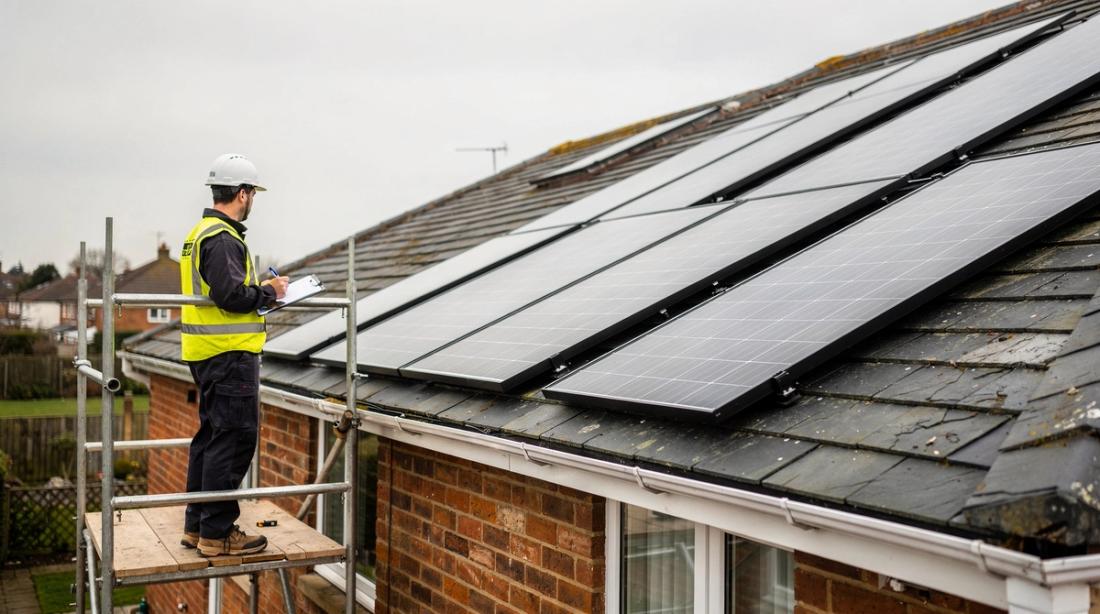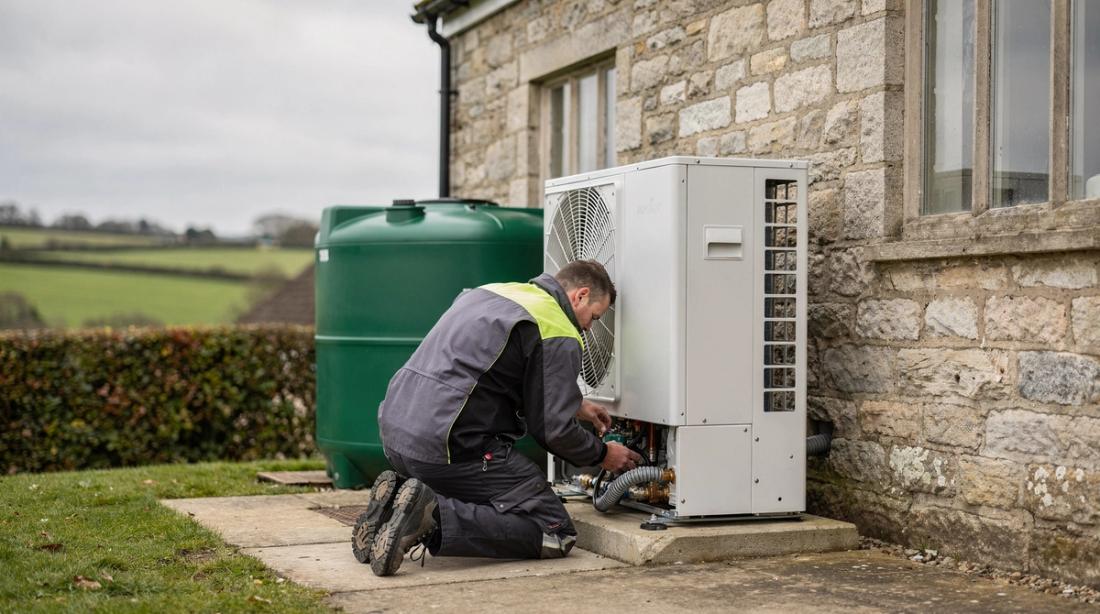

Solar lead generation in the UK has never had a bigger prize or more competition, with MCS recording 257,397 certified solar installations in 2025, up 32% on the year before (MCS, 2025). More homeowners are buying, but they are also comparing more installers, so the way you find and win leads now decides whether that demand reaches your order book or a competitor's.
This guide breaks down where UK solar leads actually come from, what each source costs, and which channels convert. It is written for installers who want to stop overpaying for shared leads and build a mix that brings in higher-intent enquiries at a lower long-term cost per sale. The numbers below are current UK benchmarks, not global averages.
Key Takeaways
- UK solar demand is at a record high, with rooftop installations 31% above the previous 2011 peak in 2025, so lead volume is available if you can capture it (Solar Power Portal, 2025).
- Bought solar leads range from about £10 to £60 each, with shared directory leads cheapest and exclusive leads more expensive (PoweredLeads, 2026).
- Referrals convert at roughly 29 to 30%, far above the 8 to 12% typical of bought leads (Solar Weekly, 2026).
- Organic SEO delivers near-zero cost per lead over time, against £80 to £250 for Google Ads leads (Solar Weekly, 2026).
- The strongest installers blend paid volume, free local visibility, and a referral programme rather than relying on one source.
Solar lead generation and why it matters now
Solar lead generation is the process of attracting homeowners or businesses who are interested in solar and capturing their contact details so you can quote them. It matters more than ever because UK demand is at a record, with 2.6 GW of solar added in 2025 and rooftop volumes breaking a record that had stood since 2011 (pv magazine, 2026).
That growth cuts both ways. New-build installations alone reached 35% of MCS-certified solar in 2025, and the Future Homes Standard is expected to push that higher from 2027 (MCS, 2025). Retrofit installers who once relied on word of mouth now face national lead sellers, comparison sites and better-marketed rivals competing for the same postcodes.
The practical takeaway is that a passive approach no longer fills a diary. With homes installing a small-scale renewable every 90 seconds across the UK, the enquiries exist, but they flow to the businesses that show up first and follow up fastest (MCS, 2025).
How much do solar leads cost in the UK?
UK solar leads cost roughly £10 to £60 each when bought, and the price tracks exclusivity and intent rather than raw volume (PoweredLeads, 2026). A cheap shared lead sold to five installers is not the bargain it looks like once you factor in the calls the homeowner fields in the first minute.
Costs vary sharply by channel. Shared directory leads sit around £15 to £30 but go to three to five installers at once, while exclusive Meta Ads leads run £18 to £40 and reach only you (Phantom Digital, 2026). Booked appointments cost more up front but arrive further down the funnel.
- Shared directory lead: Typical UK cost: £15 to £30, Exclusivity: Sold to 3 to 5 installers, Conversion to sale: Lower
- Exclusive Meta Ads lead: Typical UK cost: £18 to £40, Exclusivity: One installer, Conversion to sale: Medium
- Booked appointment: Typical UK cost: From about £130, Exclusivity: One installer, Conversion to sale: Higher
- Organic SEO enquiry: Typical UK cost: Near zero over time, Exclusivity: One installer, Conversion to sale: 25 to 30%
- Referral: Typical UK cost: £50 to £100 per sale, Exclusivity: One installer, Conversion to sale: 29 to 30%
The right way to read cost per lead is against conversion, not the sticker price. A £40 exclusive lead that converts at 12% is cheaper per sale than a £20 shared lead that converts at 5% once you account for wasted quoting time.
The lead sources that convert best for solar installers
Referrals convert best by a wide margin, landing around 29 to 30% lead-to-sale against the 8 to 12% typical of bought leads (Solar Weekly, 2026). A homeowner recommended by a neighbour who already has panels is three to five times more likely to book a survey than a cold enquiry.
Organic search is the second engine. SEO enquiries convert at roughly 25 to 30% and cost almost nothing per lead once the content ranks, compared with Google Ads leads at £80 to £250 and 10 to 15% conversion (Solar Weekly, 2026). The catch is time: SEO builds over months, not days.
Paid social sits in the middle. Most installers find Meta Ads generate three to five times the lead volume of Google Ads at a lower cost per lead, but those leads are earlier in their buying journey and need more nurturing (Solar Weekly, 2026). They fill the pipeline; they do not close themselves.
In the field, the pattern repeats: speed of response often beats source quality. A shared lead called within five minutes frequently outperforms an exclusive lead chased the next day, because the homeowner is still in buying mode.
How can installers generate solar leads without buying them?
You generate leads without buying them by owning the channels that keep working after the spend stops: your website, your Google Business Profile, and your existing customers. Contact rates for quality self-generated leads sit at 50 to 70%, well above what most shared lists deliver (Enervio, 2025).
A local SEO foundation does the heavy lifting. Rank for terms like "solar panel installer" plus your town, keep a Google Business Profile with recent reviews, and publish honest answer-first content on cost, savings and the process. This is the same near-zero-cost-per-lead channel that outperforms paid ads on conversion over time.
A referral programme turns finished jobs into new ones. Ask every satisfied customer for an introduction, make the ask easy with a simple incentive, and track it. With installers typically spending £50 to £100 per referral that converts, it remains the cheapest quality lead available (Solar Weekly, 2026).
Fast, professional quoting closes the loop. The tools you use to turn an enquiry into a clear proposal matter as much as the enquiry itself, which is where a digital proposal generator and the wider set of digital tools for installers earn their keep.
What makes a good solar lead versus a bad one?
A good solar lead is exclusive, recent, local to your service area, and shows genuine buying intent such as a specific question about cost or an owned roof. A bad lead is stale, shared with several installers, outside your patch, or from a renter who cannot authorise the work. The difference decides your whole cost per sale.
Exclusivity and speed matter most. Shared leads see appointment set rates of 25 to 40%, while exclusive leads reach 40 to 60%, and homeowners on shared lists often report several installers calling within minutes (PoweredLeads, 2026). By the time you call a shared lead, three rivals may already have quoted.
Qualification protects your time. Before you book a survey, confirm the property is owned, the roof is suitable, and the budget is realistic. A short qualifying call filters out the leads that would waste a site visit, so your quoting effort goes where it can actually convert.
Building a solar lead generation strategy that lasts
Build your strategy as a portfolio, not a single bet, because each channel does a different job. Comparison-site and paid leads give predictable volume today, your Google Business Profile gives free local visibility, and referrals give the highest quality, so the mix stabilises your pipeline while lowering blended cost per sale (Solar Weekly, 2026).
Start with the free and owned channels, since they compound. Get your Google Business Profile complete and reviewed, launch a referral ask on every completed job, and publish local content. Layer paid leads on top to cover gaps while the organic channels mature over the following months.
Then measure by cost per sale, not cost per lead. Track conversion for each source, drop the ones that burn quoting time, and reinvest in the channels that book surveys. If you are still setting up the business itself, the guide to starting a solar panel business in the UK and the guide to selling solar panels cover the compliance and sales groundwork that lead generation sits on top of.
Frequently asked questions about solar lead generation in the UK
How much should a UK solar installer pay per lead?
Expect roughly £10 to £60 per bought lead, but judge it by cost per sale rather than the headline price. An exclusive lead at £40 that converts at 12% can be cheaper per install than a £20 shared lead converting at 5%. Track conversion by source for a few months, then concentrate spend on whatever books the most surveys for the least quoting time.
Are shared or exclusive solar leads better?
Exclusive leads usually win on conversion, with appointment set rates of 40 to 60% against 25 to 40% for shared leads. Shared leads are cheaper and give volume, but the homeowner often fields calls from several installers within minutes. If you buy shared leads, success depends almost entirely on calling first, so speed of response becomes the deciding factor.
How long does SEO take to generate solar leads?
Organic search typically takes several months to produce steady enquiries, because content and local rankings build gradually. The payoff is a near-zero cost per lead and conversion around 25 to 30% once you rank. Treat SEO as an asset that compounds, not a quick fix, and run paid leads alongside it to keep the pipeline full while rankings mature.
Do referrals really convert better than paid leads?
Yes, referrals convert at roughly 29 to 30% lead-to-sale, against 8 to 12% for typical bought leads. A homeowner introduced by a neighbour with panels is three to five times more likely to book a survey. At £50 to £100 per converting referral, it is usually the cheapest quality lead a solar installer can generate, so a formal referral ask belongs on every finished job.
What is the best channel for solar lead generation in 2026?
There is no single best channel; the strongest installers blend them. Referrals give the highest quality, organic SEO gives the lowest long-term cost, paid social gives volume, and comparison sites give predictable flow. Start with free and owned channels because they compound, then layer paid leads to cover gaps, and measure everything by cost per sale.
Solar lead generation in the UK rewards a portfolio approach and punishes over-reliance on any one source. Build the owned channels that compound, buy exclusivity where it pays, respond within minutes, and let tools like Reonic handle the quoting speed that turns those hard-won enquiries into signed jobs. The demand is there in record numbers; the work is capturing it before someone else does.