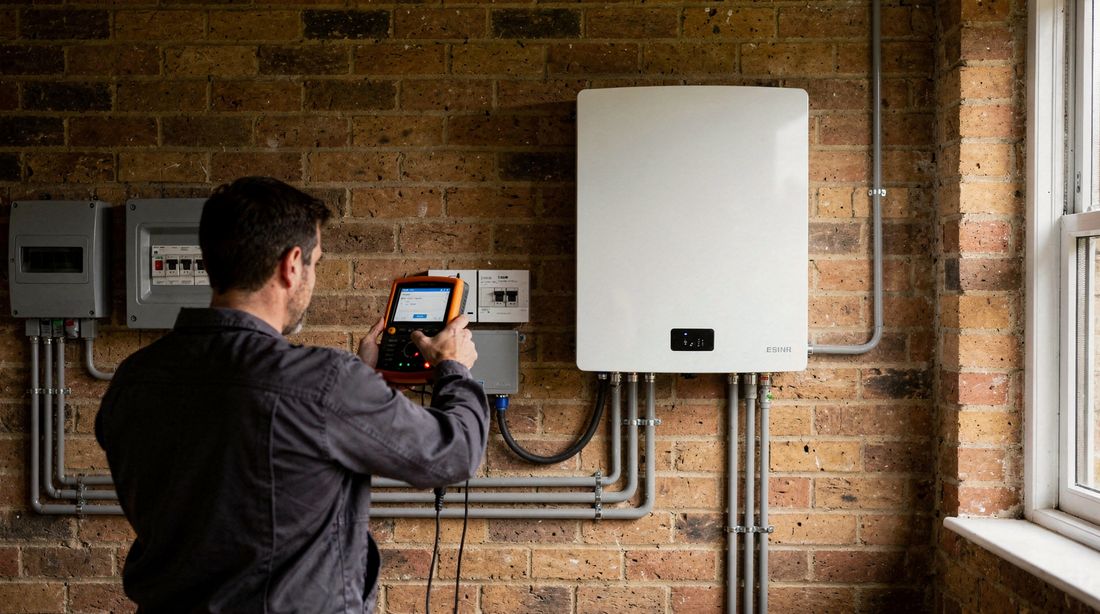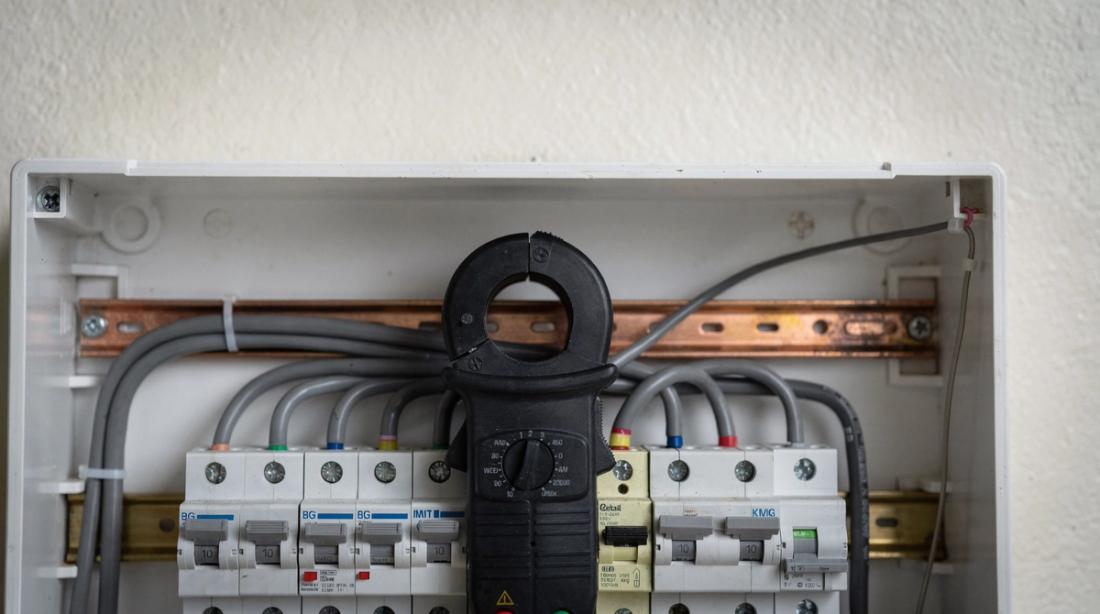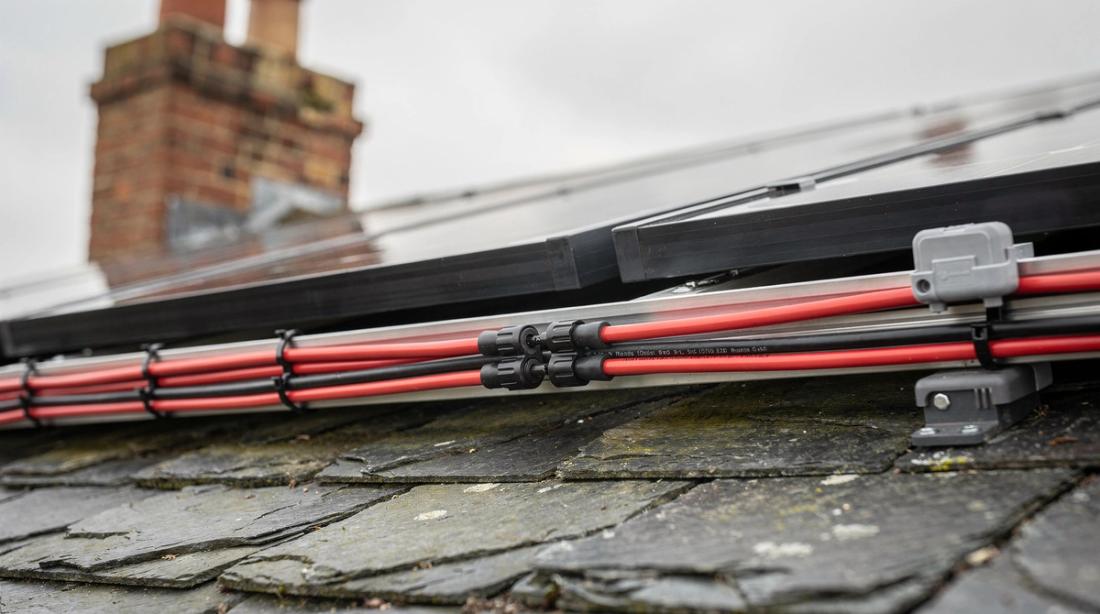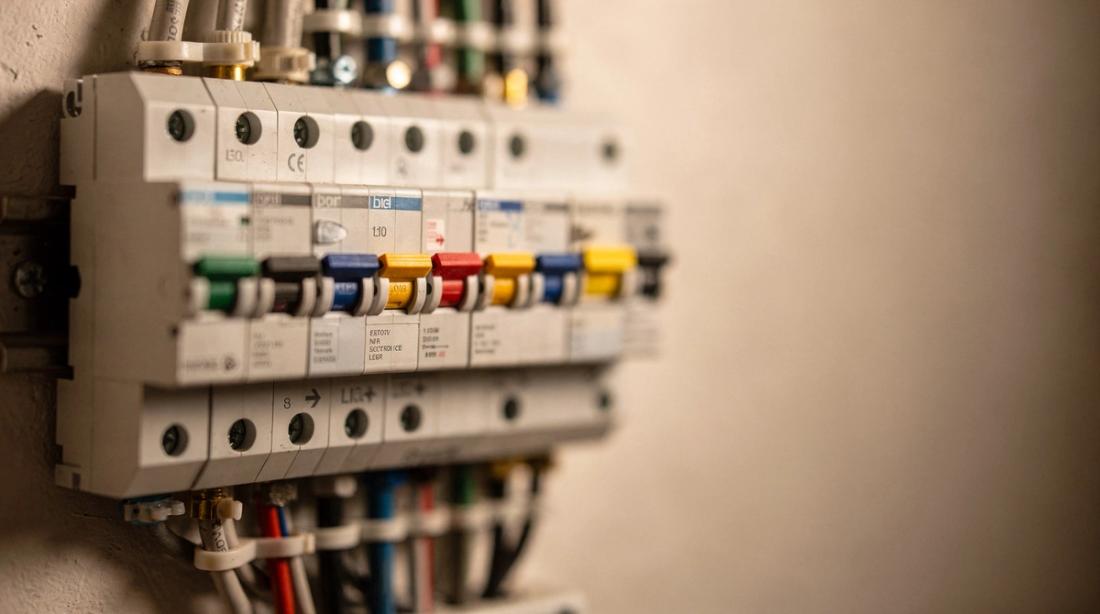

Part P of the Building Regulations has placed a legal duty on domestic electrical work in England since it came into force on 1 January 2005, and the guidance installers work to today sits in Approved Document P, which took effect on 6 April 2013 (IET, 2013). For anyone wiring a solar array, a battery or a heat pump, Part P decides whether the job can be self-certified or has to pass through building control first.
This guide covers what Part P actually requires, which work counts as notifiable, how the competent person route lets you sign off your own installations, and how the rules connect to the rest of the building regulations a renewables job touches. The perspective is installer-first: the certificates and notifications you are responsible for on site, not the legal history behind the regulation.
Key Takeaways
- Part P is statutory. It became law on 1 January 2005 and the current Approved Document P has applied across England since 6 April 2013 (IET, 2013).
- Only three categories of work are notifiable: a new circuit, a consumer unit replacement, and any addition or alteration inside a special location such as a bathroom.
- Joining one of the five government-approved competent person schemes lets you self-certify notifiable work and notify building control yourself.
- A breach is a criminal offence. Since 1 October 2023 the courts can impose an unlimited fine and up to two years in prison (legislation.gov.uk, 2022).
- BS 7671 Amendment 4, published on 15 April 2026, adds a stationary battery chapter that most storage installations must now be designed to (IET, 2026).
What is Part P and when does it apply?
Part P applies to electrical installation work in dwellings in England and has done since it became law on 1 January 2005, with the current Approved Document P in force from 6 April 2013 (IET, 2013). It sets one requirement, P1, that work must protect people from fire and injury.
Requirement P1 asks for reasonable provision in the design and installation of electrical work so that people operating, maintaining or altering it are protected from fire or injury (IET, 2013). In practice that means designing and installing to BS 7671, the wiring standard Part P is built around, and being able to prove it with the right certificate.
Part P covers fixed electrical installations in and around the home, including gardens, outbuildings and shared supplies in flats. It applies whether the work is a full rewire or a single new circuit for an inverter or heat pump. Repairs and like-for-like replacements sit outside the notification rules, but they still have to meet the safety standard.
One point catches installers who cross the border. Part P is an English regulation, so a firm working in more than one home nation needs to know that the notification routes differ once you leave England. The underlying safety expectation, that the work is designed and installed to BS 7671, holds across the UK, but the paperwork that proves it does not travel unchanged.
Which electrical work is notifiable under Part P?
Under the 2013 rules only three job types are notifiable: installing a new circuit, replacing a consumer unit, and any addition or alteration to a circuit inside a special location (IET, 2013). Everything else, including most alterations outside special locations, is non-notifiable but must still comply with the standard.
The 2013 revision narrowed the old list. Work in kitchens and outdoors used to be notifiable and no longer is, unless it involves a new circuit or sits in a special location. The categories below show where the line falls.
- Notifiable: installing a new circuit, replacing a consumer unit, or any addition or alteration inside a special location.
- Non-notifiable: adding to or altering an existing circuit outside a special location, plus repairs, maintenance and like-for-like replacement anywhere.
- Special location: a room with a bath or shower and the defined zone around it, or a room containing a swimming pool or sauna heater.
On a typical retrofit this matters the moment you pull a new dedicated circuit off the board for an inverter or a heat pump. That single decision moves the job into notifiable territory, even when the rest of the work is a straight swap.
How does the competent person scheme route work?
England recognises five competent person self-certification schemes for Part P: BESCA, Blue Flame Certification, NAPIT, OFTEC and Certsure, which trades as NICEIC and ELECSA (IET, 2013). Members can self-certify notifiable work and notify building control on the customer's behalf.
Registering with a scheme means an assessor confirms you work to BS 7671 and can be trusted to sign off your own installations. You then issue the electrical installation certificate, notify the scheme, and the scheme tells the local authority. The alternative routes are slower and cost more for each job.
If you are not scheme-registered, notifiable work has to be signed off another way. You either submit a building notice to local authority building control before starting, or have the work certified by a registered third party, a role currently held only by NAPIT (IET, 2013). Both add time and fees that scheme membership avoids.
Guidance on which schemes are authorised and how the route works is published by the government, and it is worth checking periodically because the list of approved operators does change (gov.uk, 2013). Scheme membership is an annual cost, but for anyone doing regular notifiable work it pays for itself against the per-job building control fees.
The certificates that prove Part P compliance
Two documents matter. The electrical installation certificate, or a minor works certificate for smaller jobs, records that the work meets BS 7671, while the building regulations compliance certificate from your competent person scheme confirms the Part P notification (gov.uk, 2013). The customer should receive both at handover.
The electrical installation certificate is the technical record: circuit details, test results, and the designer, constructor and inspector signatures. For a small addition a minor works certificate does the same job at the right scale. Neither is optional, and both belong in the customer's handover pack alongside the MCS paperwork where the installation is certified.
The building regulations compliance certificate is the Part P proof. When you notify through your scheme, the scheme registers the work with the local authority and issues this certificate, usually within a few weeks (gov.uk, 2013). It is the document a solicitor asks for at sale, so the customer needs to keep it with the property records.
What happens if notifiable work is not notified?
Breaking Part P is a criminal offence under the Building Act 1984. Since 1 October 2023 the penalty has been an unlimited fine and up to two years in prison, and building control can act on non-compliant work for up to ten years (legislation.gov.uk, 2022).
Section 39 of the Building Safety Act 2022 replaced the old cap of a 5,000 pound fine with an unlimited one and extended the enforcement window from twelve months to ten years (legislation.gov.uk, 2022). A council can require completed work to be opened up, tested at your cost, and redone if it fails.
The commercial risks bite sooner than a prosecution. Missing certificates surface during conveyancing and can stall a sale or force a price cut, and uncertified work can void a homeowner's insurance. For an installer, a clean notification trail is the cheapest form of professional protection.
How does Part P apply to heat pump and battery jobs?
A heat pump or battery almost always needs a new dedicated circuit, which makes the electrical connection notifiable under Part P (IET, 2013). The job also has to satisfy the wider building regulations, so Part P is only one of several parts you are signing up to on a renewables install.
Building regulations overlap on this work. Part P covers the electrics, while Part L deals with energy efficiency and controls, Part A with structure where you fix mountings or units, and Part F with ventilation (IET, 2013). An MCS-certified installer usually handles Part P self-certification as part of the standard package.
For storage specifically, the design standard moved in 2026. BS 7671 Amendment 4 added a chapter on stationary secondary batteries covering location, ventilation and fire-risk mitigation, so a compliant battery circuit now has to meet those requirements as well as the general Part P duty (IET, 2026). Our heat pump regulations guide and IET Code of Practice guide go deeper on each.
Part P and BS 7671: what the 2026 amendment changes
Part P is met by installing to BS 7671, so the standard's updates flow straight into Part P jobs. Amendment 4 was published on 15 April 2026, and the previous version, BS 7671:2018+A2:2022+A3:2024, is withdrawn six months later on 15 October 2026 (IET, 2026).
Amendment 4 introduces the stationary secondary battery chapter, a new Power over Ethernet section, and a major revision to medical locations (NICEIC, 2026). For domestic renewables installers the battery content is the headline, because it sets design rules for bidirectional inverters and two-way protection (Electrical Safety First, 2026).
During the six-month overlap you can certify to either version, but new storage designs are best worked to Amendment 4 now so they do not need reworking in October. Building the new battery requirements into your standard job spec avoids a scramble when the older standard is withdrawn.
How installers stay compliant on every job
Compliance on a Part P job comes down to three habits: design to BS 7671, issue the correct electrical installation certificate, and notify within your scheme's deadline, usually thirty days of completion (IET, 2013). Keep the paperwork with the customer's handover pack.
A clean sequence looks like this. Confirm whether the work is notifiable, design and test to BS 7671, complete the electrical installation certificate or minor works certificate, then log the notification through your competent person scheme. Most installers we work with fold that notification into the same window they use for the rest of the handover documents.
The detail that trips people up is record-keeping across dozens of jobs, not the wiring itself. Tools such as Reonic help installers keep certificates and notifications tied to each project so nothing slips before conveyancing or an audit. See our MCS installation certificate guide for the paperwork side.
Frequently asked questions
Does Part P apply to solar panel installations?
Yes. Connecting a solar PV system needs a new circuit from the consumer unit, which is notifiable work under Part P in England (IET, 2013). An MCS-certified installer registered with a competent person scheme can self-certify this and notify building control, so it rarely needs a separate application.
Can a homeowner do their own notifiable electrical work?
A homeowner can carry out the work, but they cannot self-certify it. They must submit a building notice to local authority building control before starting, pay the inspection fee, and have the work tested. Using a scheme-registered installer is usually cheaper and faster than the building control route.
Is Part P the same in Scotland and Wales?
No. Part P applies to England. Wales diverged from England's building regulations on 31 July 2014 and Scotland has its own building standards system (IET, 2013). The electrical safety principles are similar, but the notification routes and documents differ, so check the rules for the country you work in.
Do I need Part P compliance if I am MCS certified?
Yes. MCS certification and Part P are separate. MCS covers the renewables installation standard, while Part P is the legal building regulation for the electrics. Most MCS installers are also registered with a competent person scheme, which lets them satisfy both from a single sign-off on the job.
How long do I have to notify building control after the work?
Under the competent person scheme route you normally notify within thirty days of completing the work (IET, 2013). Miss the deadline and you may have to apply to building control retrospectively, which costs more and can delay the customer's certificate. Building the notification into handover keeps it reliable.