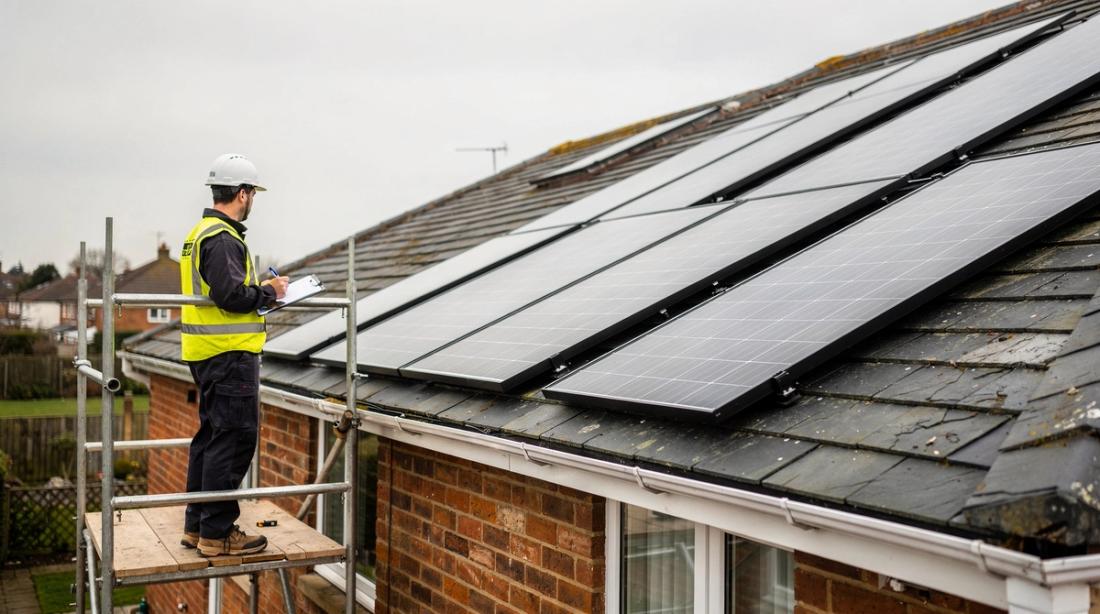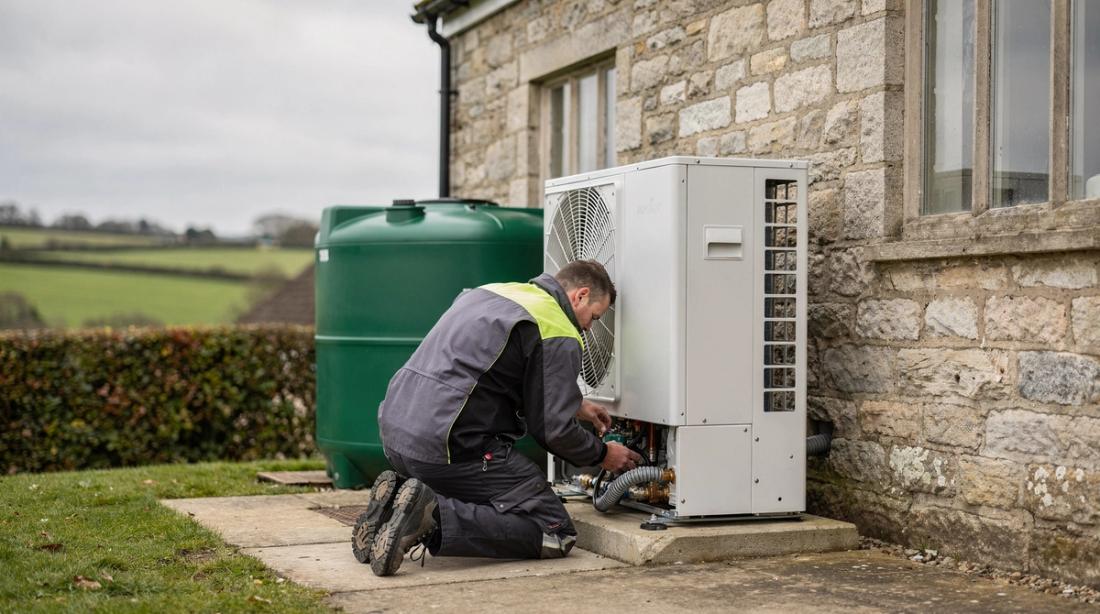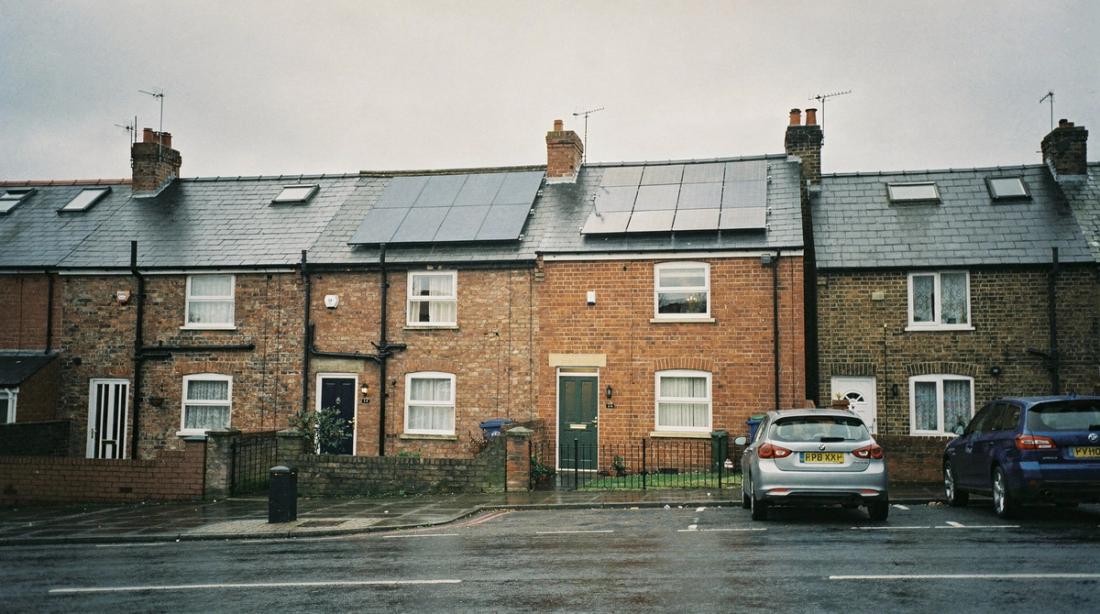

ECO4 Flex lets a local authority refer fuel-poor and vulnerable households into the ECO4 scheme even when they are not on a qualifying benefit, and it can carry up to 50% of an energy supplier's ECO4 obligation (Ofgem, 2025). For installers, it is the route that keeps a pipeline moving once the benefits-based leads run dry, and it now runs until 31 December 2026 after the scheme was extended by nine months (Energy Trust, 2026).
The catch is that ECO4 Flex is not a grant a household simply claims. A local authority sets its own criteria, publishes a Statement of Intent, and refers the household, then the energy supplier makes the final call on whether a measure goes in. This guide explains the 50% cap, the four flexible eligibility routes, the income thresholds councils use, and what you need in place as a TrustMark and PAS 2030 installer to deliver the work. If you are new to the scheme, start with our ECO4 grant guide.
Key takeaways
- What it is: a route for councils to refer households not on qualifying benefits.
- The cap: ECO4 Flex can deliver up to 50% of a supplier's obligation.
- Four routes: income cap, multiple proxy, NHS referral, bespoke targeting.
- Income line: gross household income under £31,000 is the common threshold.
- Deadline: ECO4 runs to 31 December 2026 after the nine-month extension.
What is ECO4 Flex?
ECO4 Flex, formally flexible eligibility, is the mechanism that lets local authorities identify fuel-poor and vulnerable households who fall outside the standard benefits-based routes into ECO4 (eco4.co.uk, 2026). The council declares a household eligible; the obligated energy supplier then decides whether to fund a measure.
This matters because standard ECO4 is tightly gated. It targets homes rated EPC band D to G whose occupants receive qualifying benefits such as Universal Credit or Pension Credit (EPC Advisor, 2026). Plenty of genuinely fuel-poor households miss that benefits test, and LA Flex exists to reach them. For an installer, those are the leads that standard eligibility checks throw away.
How does the ECO4 Flex 50% cap work?
Flexible eligibility is optional for suppliers, and they can deliver up to 50% of their total ECO4 obligation through the Flex routes (Ofgem, 2025). The other half must come through the standard benefits-based routes, so Flex complements the scheme rather than replacing it.
In practice, that cap shapes which leads a supplier will fund at any point in a delivery year. Early on, suppliers often have Flex headroom and welcome LA-referred jobs. As they approach the 50% ceiling, they tighten up and prioritise benefits-based measures. Reading that cycle is part of running an ECO4 book, and it is why a job that qualified on paper can still stall at the supplier.
The cap also explains why installers spread work across more than one supplier. If your only supplier relationship is near its Flex limit, your LA-referred jobs sit idle even though the households qualify. Installers who lodge measures with two or three obligated suppliers keep a route open when one closes its Flex book, which protects revenue in the back half of a delivery year when headroom is scarce.
What are the four ECO4 Flex eligibility routes?
ECO4 Flex runs on four routes, and a household needs to meet only one of them to be referred (GOV.UK, 2026). Each route has its own evidence rules, which the council checks before it declares the household eligible.
- Route 1, income cap: gross household income under £31,000 a year.
- Route 2, multiple proxy: the home meets at least two proxy indicators of fuel poverty.
- Route 3, NHS referral: a GP or NHS Trust refers an occupant with a cold-sensitive condition.
- Route 4, bespoke targeting: the council uses its own local dataset to identify need.
Route 2 is the one installers see most, and it needs at least two proxies to be met at the same time (Energy Advice Helpline, 2026). Route 3 requires the local authority to certify it has received a referral from someone on the GP register or an NHS Trust, which is slower but reaches households the income test misses.
What income qualifies under LA Flex?
The common threshold is a gross annual household income under £31,000, though some councils set their line higher, up to around £38,000, using local discretion (WarmHome UK, 2026). A household under that figure that does not claim qualifying benefits may still qualify through its council's LA Flex route (BOXT, 2026).
The income route is the fastest to evidence, but the exact rules are local, so check the council before you promise a homeowner anything:
- Threshold varies: £31,000 is standard, but confirm the figure in that council's statement.
- Gross, not net: the test uses gross household income before deductions.
- Whole household: count every earner at the property, not just the applicant.
- Evidence needed: payslips, tax returns or benefit letters to prove the figure.
How a local authority Statement of Intent works
Before a council can refer anyone, it publishes a Statement of Intent that sets out the criteria it will use for ECO4 Flex (City of Doncaster Council, 2026). That document is public, and it tells you exactly which routes and thresholds each authority has adopted.
One point trips up homeowners and installers alike: qualifying under a Statement of Intent does not guarantee a measure. The final decision on whether a household receives work under flexible eligibility sits with the energy supplier or its agents, not the council (City of Doncaster Council, 2026). The council opens the door; the supplier decides whether to fund the job. Set that expectation with the homeowner early so a declined referral does not land on you.
Statements of Intent also differ more than installers expect. Two neighbouring councils can run different routes, different income lines and different proxy lists, so a household that qualifies in one borough may fail next door. Keep the current version for every authority you work in, because councils reissue these documents through the year and an out-of-date copy leads you to promise work the new criteria no longer support.
What do installers need to deliver ECO4 Flex?
ECO is delivered by private installers who are PAS 2030 certified and TrustMark registered, working to the PAS 2035 retrofit framework (eco4.co.uk, 2026). Flex changes who is eligible, not the standards you work to, so the accreditation bar is the same as standard ECO4.
The practical checklist to take on ECO4 Flex work:
- TrustMark registration: required, and checkable on the TrustMark search tool.
- PAS 2030 certification: for the measures you install.
- PAS 2035 roles: a retrofit assessor and coordinator on each project.
- Supplier or agent link: a route to lodge measures with an obligated supplier.
If you are not yet set up, our guides on becoming an ECO4 installer and TrustMark registration cover the steps. The PAS side is set out in our PAS 2035 guide.
ECO4 Flex vs standard ECO4 eligibility
The difference is only who qualifies, not what gets installed or to what standard. Standard ECO4 uses a benefits test; Flex uses local criteria set by the council. Both target the same EPC D to G homes and both run to the same 31 December 2026 deadline.
- Standard ECO4: occupant on a qualifying benefit, checked centrally.
- ECO4 Flex: council-set criteria, up to 50% of a supplier's obligation.
- Shared: EPC band D to G homes, PAS 2035 delivery, TrustMark installers.
- Shared: the supplier makes the final funding decision either way.
Because the delivery standard is identical, a household that fails the benefits test can often be picked up through Flex without changing anything about how you scope or install the measure. That is the practical value for an installer: one survey, one PAS 2035 process, two possible funding routes into the same job.
How installers use LA Flex to fill the pipeline
The installers who get the most from Flex treat councils as a lead source, not an afterthought. They read each authority's Statement of Intent, note which routes and income lines it uses, and match referrals to a supplier that still has Flex headroom. That turns declined benefits-based leads into fundable jobs instead of dead ends.
Volume shows why the effort pays off. As of February 2025, suppliers had delivered 660,487 measures under ECO4, of which solar was just 5.75%, or 38,005 installs (Sunsave, 2026). Most ECO4 work is insulation and heating, and Flex is how a large share of those homes get referred. Pair ECO4 with the Warm Homes Local Grant and an EPC improvement plan and a single survey can open more than one funding route.
Frequently asked questions
Who qualifies for ECO4 Flex?
Fuel-poor or vulnerable households not on qualifying benefits, living in an EPC band D to G home, whose council has declared them eligible through one of the four Flex routes. The most common is a gross household income under £31,000. The energy supplier then makes the final decision on funding.
How much of ECO4 can be delivered through Flex?
Up to 50% of an energy supplier's total ECO4 obligation. The remaining half must come through the standard benefits-based routes. Because it is capped, supplier appetite for Flex jobs changes through the delivery year, which is why a valid referral can still be declined at the supplier stage.
Does a council referral guarantee the work?
No. A Statement of Intent and a council declaration confirm the household meets local criteria, but the obligated supplier or its agent decides whether to fund a measure. Set that expectation with homeowners early, because the referral opens the door without promising the job will go ahead.
When does ECO4 end?
ECO4 now runs to 31 December 2026, after the government confirmed a nine-month extension following its August to September 2025 consultation. That gives installers a defined window to lodge measures. Suppliers still manage their obligation across the period, so earlier in a delivery year usually means more Flex headroom.
Do I need to be TrustMark registered for ECO4 Flex?
Yes. ECO measures must be installed by a TrustMark-registered, PAS 2030-certified business working under PAS 2035, with a retrofit assessor and coordinator on each project. Flex changes eligibility, not the delivery standard, so the same accreditation applies as for standard ECO4 work. A homeowner can check your status on the TrustMark search tool before agreeing to a survey, so keep your registration and measure scopes current.
Turning Flex referrals into booked jobs
ECO4 Flex rewards installers who track council criteria, match referrals to suppliers with headroom, and keep PAS 2035 paperwork tight across every job. Doing that by hand across several councils and suppliers is where leads slip. Reonic is the AI operating system for renewable energy installers that keeps lead, survey, quote and compliance records in one workflow, so a Flex referral does not get lost between the council and the supplier. Whatever tools you use, the winning habit is the same: read the Statement of Intent before you promise a homeowner anything.